
Where Do DJs Get Their Music?
-
 Jun 23, 2026
 -
 By
Learn How To Be a DJ
By
Learn How To Be a DJ -
 How To Be a DJ
 -
 8 min read
Where Do DJs Get Their Music?
If you are new to DJing, one of the first questions you will probably ask is:
Where do DJs get their music?
After all, even the most expensive DJ controller and the best DJ software in the world are useless without great tracks to play.
The good news is that finding music today is easier than ever. The challenge is knowing where to look, what is legal, what offers the best value and how professional DJs build collections that help them stand out from the crowd.
In this guide, I will show you exactly where DJs get their music, the best platforms to use, how much it costs, and how to build a high quality music library that will help you become a better DJ.
Whether you want to DJ at weddings, clubs, festivals, private parties or simply for fun at home, this guide will point you in the right direction.
Quick Answer: Where Do DJs Get Their Music?
Professional DJs get their music from a combination of:
| Source | Popular With |
|---|---|
| DJ Record Pools | Club DJs, mobile DJs |
| Beatport | Electronic music DJs |
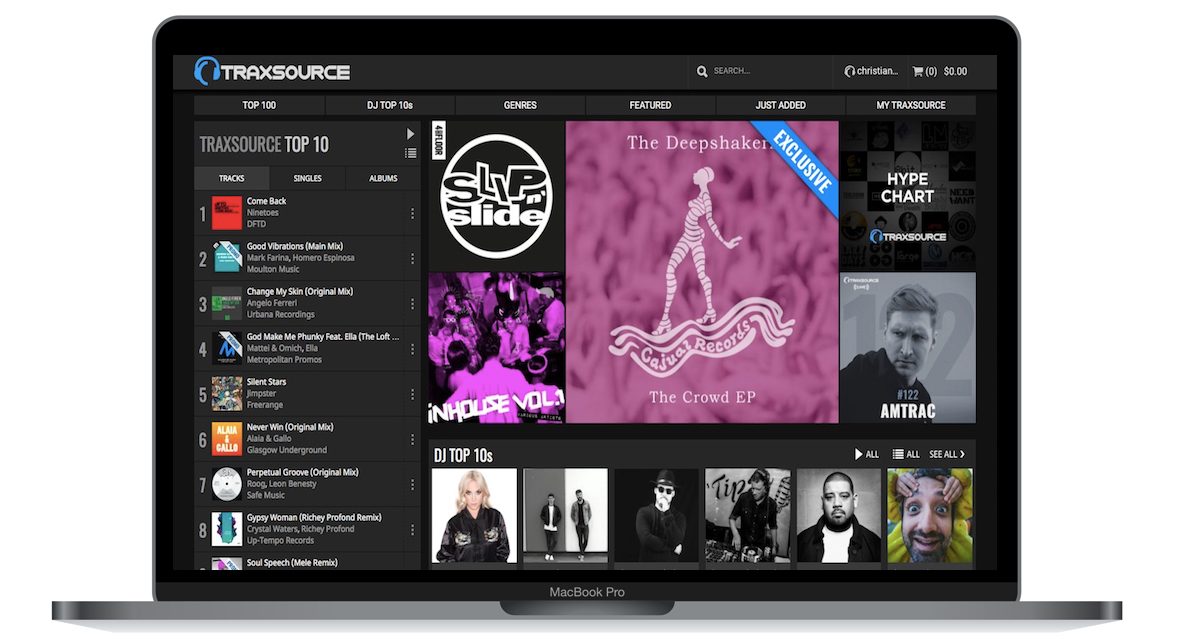
| Traxsource | House music DJs |
| Amazon Music Downloads | Open format DJs |
| Apple Music Downloads | General DJs |
| Bandcamp | Independent music lovers |
| Record Labels | Professional DJs |
| Promotional Downloads | Established DJs |
| Streaming Services | Casual and hobby DJs |
| Vinyl Record Shops | Vinyl DJs |
Most professional DJs use several music sources rather than relying on one platform.
Why Your Music Collection Matters
Your music collection is your identity as a DJ.
Many beginners focus on equipment first.
Experienced DJs often focus on music first.
In reality, audiences rarely remember what controller you used.
They remember the songs you played.
A great DJ with average equipment can still create an amazing night.
A DJ with expensive equipment and poor music selection usually cannot.
This is why learning where DJs get their music is such an important part of your journey.
What Makes A Good DJ Music Source?
Before downloading thousands of tracks, look for these qualities:
High Audio Quality
Professional DJs should use:
- MP3 320kbps
- WAV
- AIFF
- FLAC
Avoid low quality files whenever possible.
Poor quality music sounds noticeably worse on professional sound systems.
Legal Licensing
Always use legal music sources.
Illegal downloads can:
- Sound poor
- Contain corrupted files
- Harm artists
- Damage your reputation
Supporting artists helps the music industry continue producing great music.
Reliable Metadata
Metadata includes:
- Artist name
- Track title
- Genre
- BPM
- Key information
Good metadata makes organising your library much easier.
DJ Record Pools: The Secret Weapon Of Professional DJs
One of the biggest discoveries most beginners make is the existence of DJ pools.
What Is A DJ Pool?
A DJ pool is a subscription service that gives DJs access to thousands of tracks for one monthly fee.
Many tracks are supplied directly by record labels.
This means DJs often receive music before the general public.
Popular DJ Pools
DJcity
Popular for:
- Hip hop
- R&B
- Pop
- Commercial dance music
BPM Supreme
Popular for:
- Open format DJs
- Wedding DJs
- Mobile DJs
ZipDJ
Popular for:
- House music
- Tech house
- Electronic music
Heavy Hits
Popular for:
- Mashups
- Edits
- Trending tracks
Advantages Of DJ Pools
Pros:
- Affordable
- Massive libraries
- Professional quality
- Exclusive edits
- Updated daily
Cons:
- Monthly subscription
- Some tracks disappear
- Quality varies between pools
Beatport: The Home Of Electronic Music
When people ask where club DJs get their music, the answer is often Beatport.
Beatport specialises in:
- House
- Tech House
- Techno
- Trance
- Drum and Bass
- Progressive House
Many of the world’s top DJs use Beatport every week.
If you aspire to play in clubs, Beatport should be one of your primary music sources.
Why DJs Love Beatport
Features include:
- High quality downloads
- Genre specific charts
- DJ charts from famous artists
- New release tracking
- Professional audio formats
Traxsource: A Favourite For House Music DJs
Traxsource focuses heavily on:
- House
- Soulful House
- Afro House
- Deep House
- Gospel House
Many professional house DJs discover music here before it becomes mainstream.
Bandcamp: Finding Hidden Gems
Bandcamp has become one of the most respected platforms for music discovery.
Many independent artists sell directly to fans.
Benefits include:
- Support artists directly
- Discover unique tracks
- Buy lossless audio
- Find music unavailable elsewhere
For DJs wanting to stand out, Bandcamp is invaluable.
Do DJs Use Streaming Services?
The answer is yes.
But there are limitations.
Popular DJ Streaming Services
Beatport Streaming
TIDAL
SoundCloud Go+
Amazon Music Unlimited
Advantages Of Streaming
- Millions of tracks
- Instant access
- Great for discovery
- Lower upfront costs
Disadvantages Of Streaming
- Requires internet connection
- Tracks can disappear
- Licensing restrictions
- Not all software supports every service
For professional gigs, owning your music remains the safest option.
Do DJs Still Buy Vinyl?
Absolutely.


Many DJs still prefer vinyl because:
- Superior tactile experience
- Collectability
- Unique releases
- Authentic DJ culture
Vinyl remains especially popular within:
- House
- Techno
- Hip Hop
- Funk
- Soul
How Professional DJs Discover New Music
Finding music is one thing.
Discovering great music is another.
Follow Record Labels
Examples include:
- Defected Records
- Toolroom Records
- Hospital Records
Labels often release music before it reaches wider audiences.
Follow DJ Charts
Many successful DJs publish monthly charts.
These reveal:
- Current trends
- Emerging artists
- Future club hits
Use Spotify Playlists For Research
Even if you do not DJ from Spotify, playlists are useful for discovering music.
Popular playlists can reveal tracks gaining momentum.
How Much Does DJ Music Cost?
Typical Monthly Costs
| Source | Typical Cost |
|---|---|
| DJ Pool | £10 to £40 |
| Beatport Purchases | £1 to £3 per track |
| Bandcamp | Variable |
| Streaming Subscription | £10 to £30 |
| Vinyl Records | £8 to £25 per record |
Many professional DJs spend between £30 and £150 per month building their music libraries.
Step By Step: Building Your First DJ Music Library
Step 1
Choose your preferred genre.
Step 2
Join a reputable DJ pool.
Step 3
Create organised folders.
Examples:
- House
- Dance
- Pop
- Wedding Classics
- R&B
- Hip Hop
Step 4
Download high quality files only.
Step 5
Analyse tracks using:
- Rekordbox
- Serato DJ Pro
- VirtualDJ
- Traktor Pro
Step 6
Regularly remove tracks you never play.
A smaller quality library is often better than a huge disorganised one.
Common Mistakes New DJs Make
Downloading Everything
More tracks do not automatically make you a better DJ.
Focus on quality.
Ignoring Music Organisation
Poor organisation causes stress during live performances.
Using Low Quality Files
Bad audio quality becomes obvious on large sound systems.
Following Trends Only
Build a collection that reflects your personality.
Not Supporting Artists
Always use legal sources.
The music industry depends on artists being paid fairly.
Expert Tips From A DJ
After many years of DJing, here are some lessons I wish I had learned earlier.
Buy Less Music But Know It Better
Knowing 500 tracks well is better than owning 50,000 tracks you barely know.
Build Crates For Different Situations
Create playlists for:
- Warm up sets
- Peak time sets
- Weddings
- Corporate events
- Closing sets
Discover Music Every Week
Spend at least one hour weekly looking for new music.
Consistency beats occasional binge downloading.
Support Independent Artists
Bandcamp often contains tracks nobody else is playing.
This helps you stand out.
Pros And Cons Of Different DJ Music Sources
| Source | Pros | Cons |
|---|---|---|
| DJ Pools | Great value | Subscription required |
| Beatport | Massive electronic catalogue | Costs add up |
| Bandcamp | Unique music | Smaller catalogue |
| Streaming | Convenient | No ownership |
| Vinyl | Authentic experience | Expensive |
Frequently Asked Questions
Where do DJs get their music legally?
Most DJs obtain music legally through DJ pools, Beatport, Traxsource, Bandcamp, record labels and licensed streaming services.
Do professional DJs use Spotify?
Many DJs use Spotify for discovery but not for professional performances.
Is it illegal to DJ with downloaded music?
Not if the music was legally obtained from authorised sources.
What music quality should DJs use?
Ideally 320kbps MP3, WAV, AIFF or FLAC.
Is Beatport worth it?
Yes. Especially for electronic music DJs.
What is the best DJ pool?
Popular options include DJcity, BPM Supreme, Heavy Hits and ZipDJ.
Do wedding DJs use DJ pools?
Yes. Many wedding DJs rely heavily on DJ pools.
Is Bandcamp good for DJs?
Excellent for discovering unique and independent music.
How many songs should a beginner DJ have?
Around 300 to 500 carefully selected tracks is a good starting point.
Do DJs still buy CDs?
Some mobile DJs still use CDs, although digital downloads dominate today.
Can DJs play music from YouTube?
It is generally not recommended due to audio quality and licensing concerns.
Is streaming reliable for gigs?
Streaming can work but owning downloaded files is usually safer.
Do famous DJs get music before everyone else?
Many receive promotional tracks from labels before public release.
How often should DJs buy music?
Most active DJs add new music weekly.
What is the cheapest way to build a DJ library?
A quality DJ pool subscription often provides the best value.
Conclusion
So, where do DJs get their music?
The answer is that most successful DJs use a combination of DJ pools, Beatport, Traxsource, Bandcamp, streaming services and direct label promotions.
The best source depends on your genre, budget and DJ goals.
If you are just starting out, join a reputable DJ pool, focus on quality over quantity and spend time learning your tracks inside out.
Remember, great DJing is not about owning the most music. It is about selecting the right music at the right time.
Continue building your skills, growing your collection and developing your unique sound.
For more beginner friendly DJ guides, tutorials, equipment reviews and professional advice, visit Learn How To Be A DJ.
Want The Complete Roadmap To Become A DJ?
Step by Step to mix, play and launch your DJ journey with confidence.
- Beginner-friendly
- Easy to follow
- Packed with practical tips
 GET YOUR COPY NOW