
How to Start A Mobile DJ Business
-
 Jun 23, 2026
 -
 By
Learn How To Be a DJ
By
Learn How To Be a DJ -
 How To Be a DJ
 -
 8 min read
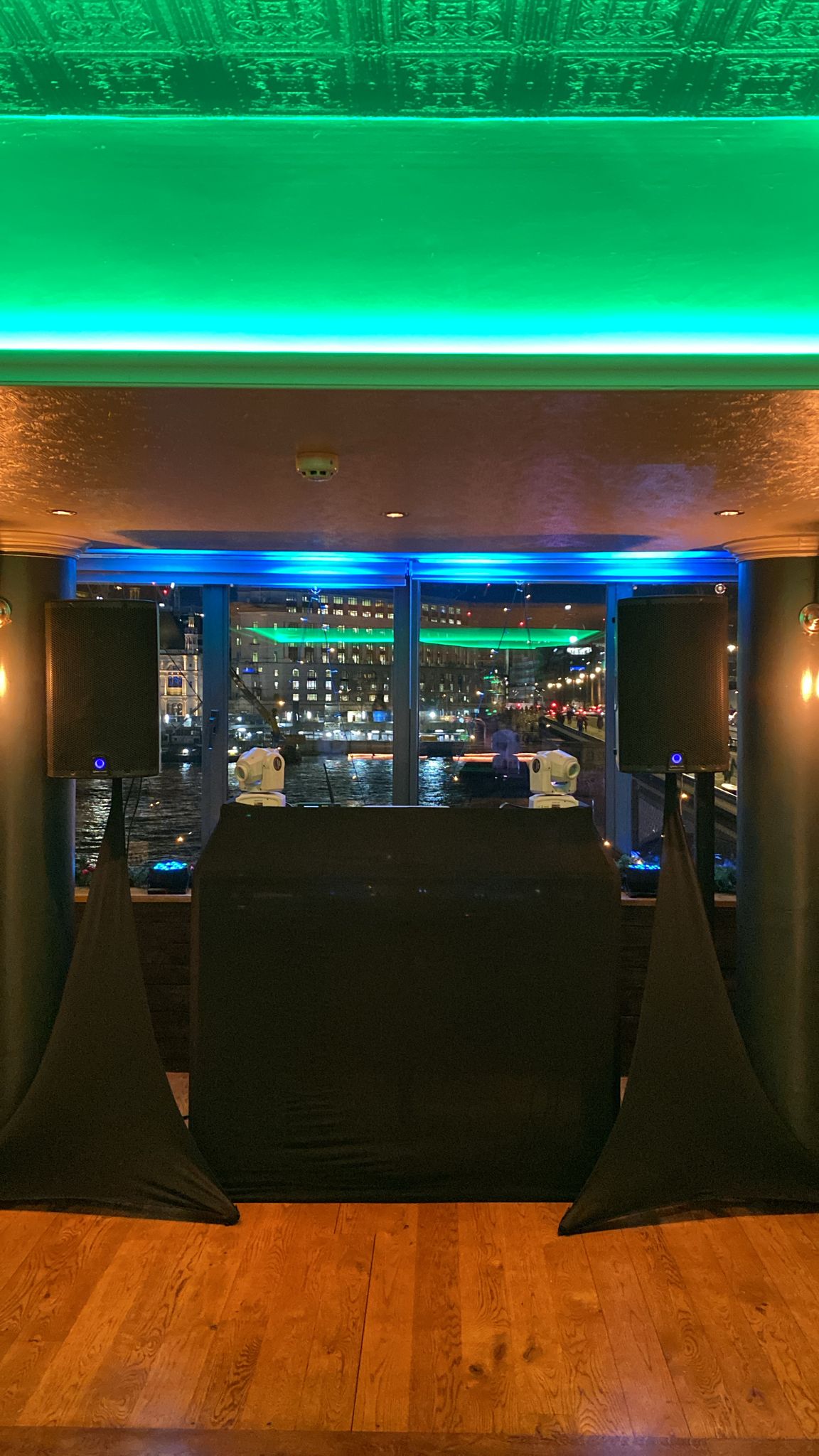
How to Start A Mobile DJ Business
Starting a mobile DJ business can be one of the most rewarding ways to turn your passion for music into a profitable side hustle or full time career.
Unlike club DJs who rely on venues for equipment and bookings, mobile DJs provide everything needed for an event. That means you can perform at weddings, birthdays, corporate events, school proms, engagement parties, community events and private celebrations.
The good news is that you do not need a huge budget or years of experience to get started.
In this guide, you will learn exactly how to start a mobile DJ business, including equipment, legal requirements, pricing, marketing strategies, common mistakes and expert tips from real world DJ experience.
Whether you are a complete beginner or already have some DJ experience, this article will help you build a successful mobile DJ business from the ground up.
Quick Answer: How to Start A Mobile DJ Business
To start a mobile DJ business:
- Learn the fundamentals of DJing.
- Purchase reliable DJ equipment.
- Build a music library.
- Create a business name and brand.
- Obtain public liability insurance.
- Ensure your music is legally licensed.
- Develop pricing packages.
- Build a website and social media presence.
- Market your services locally.
- Deliver outstanding customer service and collect reviews.
The most successful mobile DJs combine technical DJ skills with excellent customer service and effective marketing.
What Is A Mobile DJ Business?
A mobile DJ business provides DJ entertainment at various locations rather than performing in a fixed venue.
Mobile DJs transport their own:
- DJ controller
- Speakers
- Lighting
- Music library
- Microphones
- Booth setup
Common events include:
- Weddings
- Birthday parties
- Corporate functions
- School events
- Engagement parties
- Christmas parties
- Charity events
- Community festivals
One of the biggest advantages is flexibility.
You can choose when you work and which events you accept.
Why Start A Mobile DJ Business?
There are many reasons DJs choose the mobile route.
Advantages
Flexible Working Hours
Many events happen during evenings and weekends.
This allows you to earn alongside a regular job.
Strong Demand
People will always celebrate:
- Weddings
- Birthdays
- Anniversaries
- Corporate milestones
Entertainment remains an important part of these occasions.
Relatively Low Startup Costs
Compared with many businesses, startup costs can be manageable.
Scalability
You can:
- Operate alone
- Hire additional DJs
- Build an agency
- Rent equipment
- Expand into event services
Many successful DJ companies started with one DJ and one set of speakers.
Step 1: Learn How To DJ Properly
Before launching a business, focus on your skills.
Clients expect a professional performance.
Learn:
Beatmatching
Matching song tempos smoothly.
Phrase Mixing
Mixing tracks at natural musical points.
Reading The Crowd
One of the most important skills.
A technically perfect DJ can still fail if they play the wrong music.
Microphone Skills
Mobile DJs often make announcements.
Practice:
- Speaking clearly
- Introducing events
- Managing schedules
- Wedding announcements
Step 2: Choose Your DJ Niche
Not all mobile DJs perform at the same events.
Specialising can help you stand out.
Wedding DJ
Usually the highest paying sector.
Requires:
- Professional presentation
- Planning meetings
- MC skills
Birthday Party DJ
Good for beginners.
High volume of opportunities.
Corporate DJ
Potentially lucrative.
Often involves repeat business.
School And College Events
Popular with younger audiences.
Requires clean edits and age appropriate music.
Step 3: Buy Essential Mobile DJ Equipment
Many beginners overspend.
Focus on reliable equipment first.
Beginner Mobile DJ Setup
| Equipment | Typical Cost |
|---|---|
| DJ Controller | £250 to £900 |
| Laptop | £500 to £1,200 |
| Speakers | £400 to £2,000 |
| Microphones | £50 to £300 |
| Headphones | £50 to £250 |
| Lighting | £100 to £1,000 |
| DJ Booth | £100 to £600 |
Recommended DJ Controllers
| Controller | Best For |
|---|---|
| Pioneer DDJ FLX4 | Beginners |
| Pioneer DDJ FLX6 | Intermediate DJs |
| AlphaTheta DDJ GRV6 | Mobile DJs |
| Denon Prime Go | Portable setups |
| Denon SC Live 4 | Professional mobile DJs |
Recommended Speakers
Entry Level
- Alto Professional
- Pioneer DJ VM Series
- Mackie Thump
Professional
- QSC K Series
- RCF ART Series
- EV EKX Series
- Yamaha DXR Series
Reliable speakers are worth every penny.
Poor sound can ruin an otherwise great performance.
Step 4: Build Your Music Library
A mobile DJ needs variety.
Unlike club DJs, you cannot focus on one genre.
Your collection should include:
- Pop
- Dance
- R&B
- Soul
- Motown
- Disco
- Rock
- Hip Hop
- Afrobeats
- House
- Garage
- Drum & Bass
- Party Classics
Where To Get Music
Use legitimate sources such as:
- Record pools
- Beatport
- Traxsource
- Amazon Music purchases
- iTunes purchases
Avoid illegal downloads.
Audio quality matters.
Step 5: Register Your Mobile DJ Business
Professionalism builds trust.
Consider:
Business Name
Choose something memorable.
Examples:
- Diamond DJs
- Elite Event DJs
- Platinum Wedding DJs
Business Structure
Most beginners start as:
- Sole Trader
As your business grows, you may consider:
- Limited Company
Step 6: Get Insurance
Insurance is essential.
Many venues require it.
Public Liability Insurance
Protects against claims involving injury or property damage.
Equipment Insurance
Protects expensive DJ gear.
Vehicle Insurance
Important if transporting equipment regularly.
Step 7: Understand Music Licensing
This is often overlooked.
In the UK, venues typically handle public music licences.
However, mobile DJs should remain informed regarding:
- Music usage rights
- Digital music collections
- Venue requirements
Always check current regulations.
Step 8: Create Attractive DJ Packages
Package pricing makes buying easier.
Example Packages
Bronze Package
- DJ
- Sound system
- Basic lighting
£250 to £450
Silver Package
- Enhanced lighting
- Wireless microphone
- Extended performance
£450 to £700
Gold Package
- Premium setup
- Intelligent lighting
- Ceremony coverage
- Full event hosting
£700 to £1,500+
Mobile DJ Pricing Comparison
| Event Type | Typical Price |
|---|---|
| Birthday Party | £250 to £600 |
| Wedding | £500 to £2,000+ |
| Corporate Event | £400 to £2,500+ |
| School Prom | £300 to £1,000+ |
Prices vary by location and experience.
Step 9: Build A Professional Website
Your website works 24 hours a day.
Include:
- Services
- Pricing guide
- Contact form
- Testimonials
- Photos
- Videos
- Frequently Asked Questions
A professional website immediately improves credibility.
For inspiration, visit:
Step 10: Market Your Mobile DJ Business
Many DJs focus only on equipment.
Marketing gets bookings.
Google Business Profile
Create and optimise your listing.
Social Media
Use:
- TikTok
- YouTube
Show:
- Setups
- Crowd reactions
- Event highlights
Wedding Directories
Register with local wedding suppliers.
Networking
Build relationships with:
- Venues
- Photographers
- Wedding planners
- Event organisers
Referrals generate consistent bookings.
Pros And Cons Of Starting A Mobile DJ Business
| Pros | Cons |
|---|---|
| Flexible hours | Heavy equipment |
| Good earning potential | Weekend work |
| Creative career | Equipment maintenance |
| Can scale business | Seasonal demand |
| Meet new people | Marketing required |
Common Mistakes New Mobile DJs Make
Buying Too Much Equipment
Start simple.
Upgrade gradually.
Underpricing
Cheap prices often attract difficult clients.
Value your time.
Ignoring Contracts
Always use written agreements.
Poor Communication
Respond promptly to enquiries.
Not Backing Up Music
Always have backup drives.
Expert Tips From Experienced Mobile DJs
Arrive Early
Aim for at least 90 minutes before start time.
Carry Spare Cables
A £10 cable can save a £1,000 booking.
Have Backup Music Sources
Never rely on one laptop.
Dress Professionally
Your appearance matters.
Focus On Customer Service
Clients remember how you made them feel.
How Much Can A Mobile DJ Earn?
Income varies significantly.
Part Time DJ
£5,000 to £20,000 annually
Busy Weekend DJ
£20,000 to £50,000 annually
Full Time Mobile DJ Business
£50,000+ annually
Top wedding and corporate DJs often exceed these figures.
Results depend on:
- Skill
- Marketing
- Reputation
- Location
- Customer service
Frequently Asked Questions
How much money do I need to start a mobile DJ business?
Many DJs start with between £1,500 and £5,000 depending on equipment quality.
Do I need insurance as a mobile DJ?
Yes. Public liability insurance is highly recommended and often required by venues.
Can I start a mobile DJ business part time?
Absolutely. Many successful DJs begin alongside a regular job.
What is the best DJ controller for beginners?
The Pioneer DDJ FLX4 remains one of the best beginner controllers available.
How much should I charge for my first DJ gig?
Research local competitors and avoid significantly underpricing yourself.
Is mobile DJing profitable?
It can be very profitable when combined with strong marketing and customer service.
Do I need a website?
Yes. A website increases credibility and helps generate enquiries.
What music should a mobile DJ own?
A broad collection covering multiple decades and genres.
How do mobile DJs find clients?
Through websites, social media, referrals, Google Business Profile and networking.
Can I become a wedding DJ?
Yes. Many DJs specialise in weddings because demand and earnings are often higher.
Do I need lighting?
Basic lighting enhances the atmosphere and improves the client experience.
How long does it take to build a successful DJ business?
Many DJs begin receiving regular bookings within six to twelve months of consistent marketing.
Conclusion
Learning How to Start A Mobile DJ Business is about far more than buying speakers and playing music.
Successful mobile DJs combine technical ability, professionalism, organisation, customer service and marketing.
Start small.
Invest in reliable equipment.
Focus on delivering exceptional experiences.
Build strong relationships with clients and venues.
Most importantly, keep learning and improving.
Every successful mobile DJ started with their very first booking.
If you want to accelerate your progress, explore the free guides, tutorials and DJ resources available at LearnHowToBeADJ.com and continue developing the skills that turn beginners into professional DJs.
Want The Complete Roadmap To Become A DJ?
Step by Step to mix, play and launch your DJ journey with confidence.
- Beginner-friendly
- Easy to follow
- Packed with practical tips
 GET YOUR COPY NOW