
How Do I Become a DJ?
-
 Jun 23, 2026
 -
 By
Learn How To Be a DJ
By
Learn How To Be a DJ -
 How To Be a DJ
 -
 7 min read
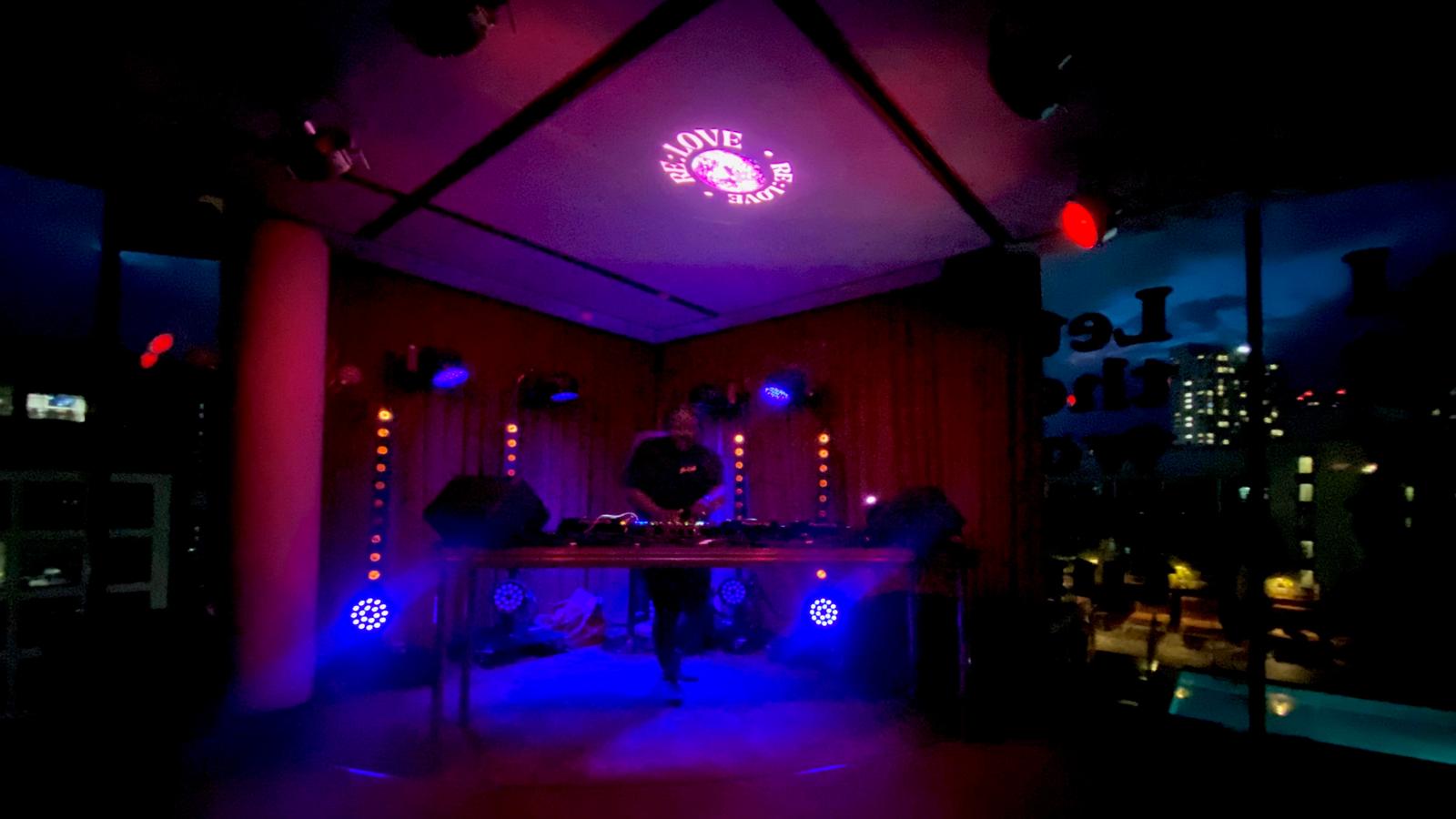
How Do I Become a DJ? The Complete Beginner’s Guide
If you’ve ever watched a DJ control a dance floor and thought, “How do I become a DJ?” you’re not alone.
Thousands of people every year dream of learning how to mix music, perform at parties, play in clubs, entertain wedding guests or even build a career in the music industry.
The good news is that becoming a DJ is more accessible today than ever before.
You no longer need expensive vinyl collections, specialist equipment or industry connections to get started. With modern DJ technology, anyone with passion, patience and practice can learn the fundamentals of DJing.
In this guide, you’ll learn exactly how to become a DJ, what equipment you need, how much it costs, what skills matter most and how to progress from complete beginner to confident performer.
Whether you want to DJ for fun, earn extra income or pursue a professional career, this guide will show you the path forward.
Quick Answer: How Do I Become a DJ?
To become a DJ:
- Learn the basics of beatmatching and mixing.
- Choose beginner-friendly DJ equipment.
- Build a music collection.
- Practise regularly.
- Learn DJ software.
- Record your mixes.
- Play for friends and small events.
- Develop your own style.
- Promote yourself online.
- Continue learning and improving.
Most beginners can learn the fundamentals within a few months of consistent practice.
What Does a DJ Actually Do?
Many beginners think DJs simply press play.
In reality, a skilled DJ:
- Selects music
- Reads the crowd
- Mixes tracks together
- Controls energy levels
- Creates smooth transitions
- Builds atmosphere
- Entertains audiences
A great DJ combines technical skill with musical knowledge and performance ability.
Why Become a DJ?
DJing can be one of the most rewarding hobbies or careers available.
Benefits of Learning to DJ
Creative Expression
You get to share your musical taste and creativity.
Flexible Income Opportunities
Many DJs earn money through:
- Weddings
- Private parties
- Corporate events
- Bars
- Clubs
- Festivals
- Online streaming
Social Opportunities
DJing introduces you to new people, venues and communities.
Lifelong Skill
Unlike many hobbies, DJing can be enjoyed at any age.
What Equipment Do I Need to Become a DJ?
One of the biggest beginner questions is:
What DJ Equipment Should I Buy?
The answer depends on your budget.
Beginner DJ Setup
| Equipment | Purpose |
|---|---|
| DJ Controller | Controls music and mixing |
| Laptop | Runs DJ software |
| Headphones | Cueing tracks |
| Speakers | Listening and practice |
| Music Library | Songs to mix |
Recommended Beginner DJ Controllers
| Controller | Suitable For |
|---|---|
| Pioneer DJ DDJ-FLX4 | Beginners |
| Numark Mixtrack Platinum FX | Budget DJs |
| Hercules Inpulse 500 | Learning fundamentals |
| Denon DJ SC Live 2 | Future growth |
The DDJ-FLX4 is widely regarded as one of the best beginner DJ controllers available today.
Which DJ Software Should I Learn?
DJ software allows you to organise and mix music digitally.
Popular DJ Software
| Software | Best For |
|---|---|
| rekordbox | Club DJs |
| Serato DJ Pro | Open-format DJs |
| VirtualDJ | Beginners |
| Traktor Pro | Creative DJs |
For most beginners, rekordbox or Serato are excellent starting points.
How Much Does It Cost to Become a DJ?
Budget DJ Setup
| Item | Estimated Cost |
|---|---|
| Controller | £200 to £350 |
| Headphones | £50 to £150 |
| Speakers | £100 to £300 |
| Music | £20 to £50 per month |
| Laptop | Existing laptop often suitable |
Total Budget
Around £300 to £800 is enough to start learning properly.
Step 1: Learn Beatmatching
Beatmatching is the foundation of DJing.
It involves synchronising two tracks so their beats play together.
Without beatmatching, transitions often sound messy.
Why Beatmatching Matters
It helps create:
- Smooth transitions
- Professional sounding mixes
- Better energy flow
Even though modern software offers sync functions, understanding beatmatching remains an essential DJ skill.
Step 2: Learn Basic Mixing Techniques
Once you understand beatmatching, focus on mixing.
Core Mixing Skills
EQ Mixing
Using bass, mid and treble controls to blend tracks.
Phrase Matching
Mixing tracks at the correct musical point.
Gain Staging
Managing volume levels consistently.
Track Selection
Choosing the right song at the right time.
Track selection often matters more than technical ability.
Step 3: Build a Quality Music Library
Great DJs know their music.
Avoid downloading random tracks.
Instead:
- Choose genres you genuinely enjoy
- Organise playlists
- Analyse track energy levels
- Learn song structures
Sources of DJ Music
DJ Pools
Examples include:
- BPM Supreme
- ZipDJ
- DJcity
Music Stores
- Beatport
- Traxsource
Step 4: Practise Consistently
Practice is where DJs improve.
Aim for:
Beginners
3 to 5 sessions weekly
Session Length
30 to 60 minutes
Consistency beats marathon sessions.
Step 5: Record Your Mixes
Recording your mixes helps identify:
- Timing mistakes
- Volume issues
- Poor transitions
- Track selection problems
Many professional DJs still review recordings regularly.
Step 6: Learn to Read a Crowd
Reading a crowd separates average DJs from great DJs.
What Crowd Reading Means
Understanding:
- Energy levels
- Audience reactions
- Dance floor activity
- Musical preferences
The best DJs adapt quickly.
How Long Does It Take to Become a DJ?
Everyone learns at different speeds.
Typical Learning Timeline
| Time | Progress |
|---|---|
| 1 Month | Basic mixing |
| 3 Months | Smooth transitions |
| 6 Months | Confident home DJ |
| 12 Months | Small gigs possible |
| 2 Years | Advanced techniques |
Remember that learning never stops.
Can I Become a DJ Without Musical Talent?
Absolutely.
Many successful DJs never studied music formally.
The most important qualities are:
- Passion
- Practice
- Consistency
- Curiosity
DJing is a learnable skill.
Mobile DJ vs Club DJ vs Wedding DJ
Mobile DJ
Pros
- High demand
- Flexible work
- Good income potential
Cons
- Transport equipment
- Setup time
Club DJ
Pros
- Exciting atmosphere
- Creative freedom
Cons
- Competitive industry
- Late nights
Wedding DJ
Pros
- Higher fees
- Regular bookings
Cons
- High responsibility
- Diverse music requirements
Common Mistakes New DJs Make
Buying Expensive Equipment Too Early
Focus on skills first.
Ignoring Music Knowledge
Knowing your tracks is essential.
Using Sync Without Understanding Beatmatching
Technology helps but fundamentals matter.
Playing Too Fast
Take time to learn correctly.
Not Recording Mixes
Self-review accelerates improvement.
Expert Tips From Experienced DJs
Learn One Genre First
Master one style before expanding.
Build Good Habits Early
Learn proper phrasing and EQ techniques.
Focus on Song Selection
Track selection often matters more than technical tricks.
Network With Other DJs
The DJ community is usually supportive.
Stay Patient
Every great DJ started as a beginner.
Pros and Cons of Becoming a DJ
| Pros | Cons |
|---|---|
| Creative outlet | Equipment costs |
| Flexible income | Practice required |
| Social opportunities | Competitive industry |
| Fun hobby | Late nights |
| Career potential | Ongoing learning |
Frequently Asked Questions
How do I become a DJ with no experience?
Start with a beginner controller, learn basic mixing techniques and practise consistently.
Can I become a DJ at 30, 40 or 50 years old?
Yes. Many successful DJs began later in life.
Do DJs need expensive equipment?
No. Beginner equipment is more than capable of teaching essential skills.
How much money do beginner DJs make?
This varies greatly. Some earn nothing initially, while others quickly secure paid events.
Is DJing difficult to learn?
The basics are relatively easy. Mastery takes time and dedication.
Should I learn vinyl DJing?
Vinyl can improve fundamental skills but is not essential.
Can I DJ using only a laptop?
Yes, although a controller usually improves the learning experience.
What music should I play?
Start with genres you genuinely enjoy.
How many songs do I need?
Around 100 well-known tracks is enough to begin practising effectively.
How often should I practise DJing?
Aim for at least three sessions per week.
Can DJing become a full-time career?
Yes, although it requires skill, networking and business knowledge.
What is the easiest DJ software to learn?
Many beginners find rekordbox and Serato intuitive.
Do I need formal DJ lessons?
No, although structured learning can speed up progress.
Can I learn DJing online?
Absolutely. Many DJs learn successfully through online courses, videos and tutorials.
What should I learn after basic mixing?
Focus on crowd reading, advanced transitions, effects and performance techniques.
Conclusion
So, how do I become a DJ?
The answer is surprisingly simple.
Start with beginner-friendly equipment, learn the fundamentals, practise consistently and build confidence one mix at a time.
Every professional DJ started exactly where you are now.
The DJs playing festivals, clubs, weddings and major events all began by learning basic transitions in their bedroom.
Stay patient, enjoy the process and keep improving.
Most importantly, remember that DJing should be fun.
If you’re serious about accelerating your progress, explore the free guides, tutorials and beginner resources available at:
Your DJ journey starts with the first mix.
Want The Complete Roadmap To Become A DJ?
Step by Step to mix, play and launch your DJ journey with confidence.
- Beginner-friendly
- Easy to follow
- Packed with practical tips
 GET YOUR COPY NOW