
Full Time DJ vs Part Time DJ
-
 Jun 23, 2026
 -
 By
Learn How To Be a DJ
By
Learn How To Be a DJ -
 How To Be a DJ
 -
 9 min read
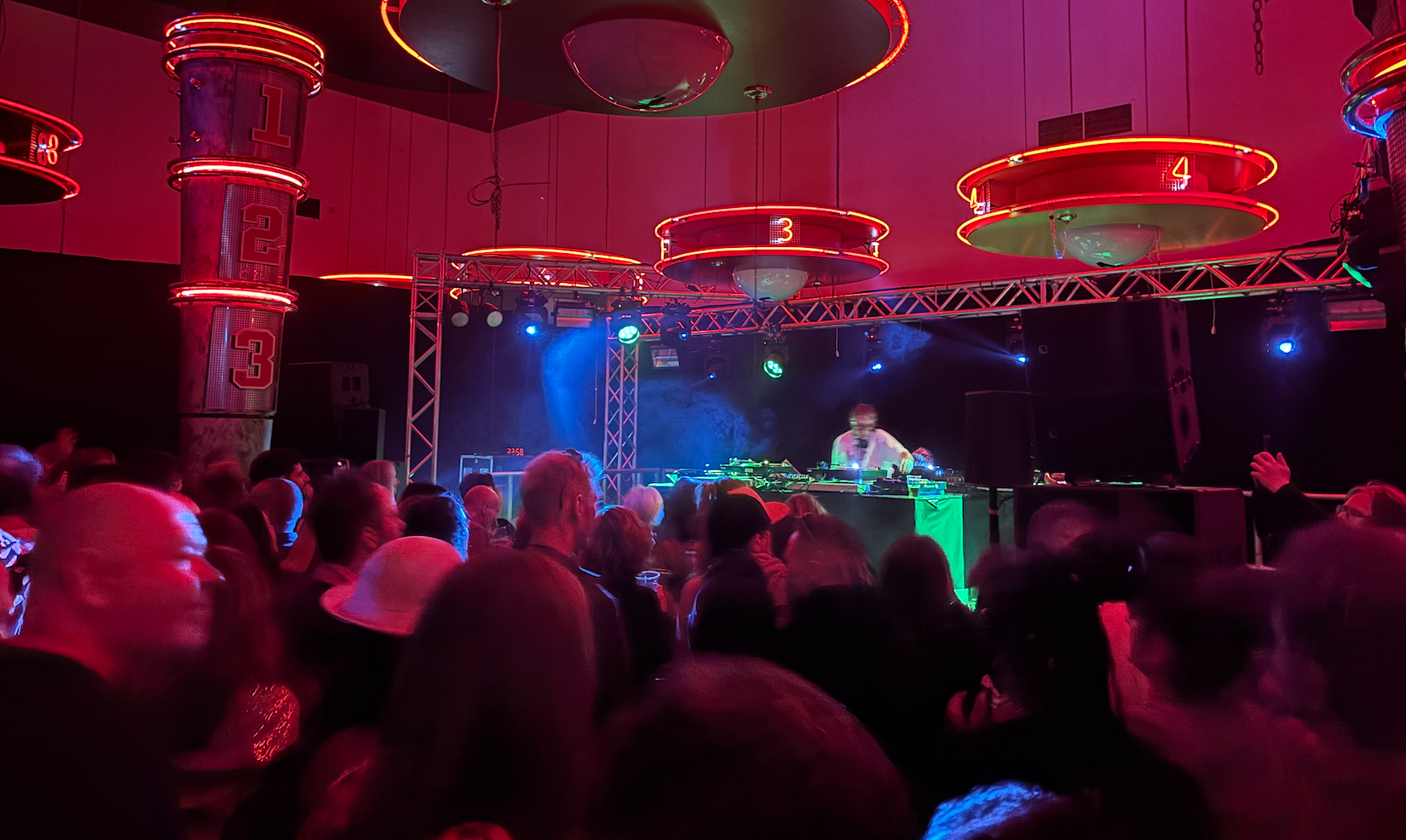
Full Time DJ vs Part Time DJ: Which Path Is Right for You?
If you are learning to DJ, one of the biggest questions you will eventually face is whether you want to become a full time DJ or remain a part time DJ.
Many aspiring DJs dream of leaving their day job and earning a living through music. Others prefer to keep DJing as a rewarding side hustle while enjoying the security of regular employment.
The truth is that both routes can be successful.
The best choice depends on your goals, finances, lifestyle, family commitments and appetite for risk.
In this guide, we will explore the complete Full Time DJ vs Part Time DJ debate, including earnings, workload, equipment costs, career progression, work-life balance and real world considerations that many beginner DJs overlook.
By the end of this article, you will have a much clearer understanding of which path may be right for you.
Quick Answer: Full Time DJ vs Part Time DJ
A full time DJ earns most or all of their income from DJing and related music activities. A part time DJ earns income from DJing while maintaining another primary job or source of income.
| Factor | Full Time DJ | Part Time DJ |
|---|---|---|
| Main Income Source | DJing | Separate Job |
| Financial Risk | Higher | Lower |
| Flexibility | High | Limited |
| Income Potential | Unlimited | Limited by Time |
| Job Security | Lower | Higher |
| Available Practice Time | More | Less |
| Business Pressure | High | Moderate |
| Lifestyle Freedom | Greater | Lower |
Neither option is inherently better.
Many successful DJs spend years working part time before transitioning into full time DJing.
What Is a Full Time DJ?
A full time DJ relies on DJing and related music activities as their primary source of income.
This could include:
- Wedding DJ services
- Mobile DJ events
- Corporate events
- Club residencies
- Festival performances
- Music production
- DJ tuition
- Content creation
- Affiliate marketing
- Equipment reviews
- Livestreaming
Being a full time DJ means running a business rather than simply playing music.
Many new DJs underestimate this reality.
In many cases, performing represents only 20% of the job.
The remaining time is spent on:
- Marketing
- Networking
- Client communication
- Accounting
- Equipment maintenance
- Social media
- Website management
- Travel
A Typical Week for a Full Time DJ
Monday
- Client enquiries
- Administration
- Marketing
Tuesday
- Playlist preparation
- Social media content
Wednesday
- Equipment checks
- Music organisation
Thursday
- Venue meetings
- Event planning
Friday
- Wedding or club booking
Saturday
- Multiple bookings
Sunday
- Recovery
- Invoicing
- Lead generation
Many beginners imagine a full time DJ spends every day performing.
The reality is that successful DJs spend a large amount of time operating their business.
What Is a Part Time DJ?
A part time DJ performs while maintaining another primary occupation.
Examples include:
- Office workers
- Teachers
- Bank employees
- IT professionals
- Tradespeople
- Students
Part time DJs often work:
- Weekends
- Evenings
- Holiday periods
This approach allows DJs to earn extra income without depending entirely on bookings.
Why Many DJs Start Part Time
There are several advantages.
Financial Stability
A regular salary covers:
- Mortgage payments
- Rent
- Utilities
- Family expenses
This removes pressure from DJing.
Freedom to Choose Gigs
Part time DJs can be selective.
They can reject unsuitable bookings without worrying about income.
Reduced Stress
The pressure to find work every week is significantly lower.
Time to Develop Skills
Many world class DJs spent years developing their craft before becoming professionals.
Full Time DJ vs Part Time DJ Income Comparison
Income varies significantly depending on location, experience and market.
Here is a simplified comparison.
| Income Source | Full Time DJ | Part Time DJ |
|---|---|---|
| Weddings | £300–£2,000+ per event | £300–£1,000+ |
| Corporate Events | £500–£5,000+ | Occasional |
| Clubs | £100–£1,500+ per night | Occasional |
| Festivals | £500–£10,000+ | Rare |
| Teaching | Common | Occasional |
| Content Creation | Common | Limited |
A full time DJ has a higher earning ceiling.
However, income can fluctuate significantly.
A part time DJ typically earns less overall but enjoys greater financial stability.
Can You Make a Living as a DJ?
Yes.
Thousands of DJs earn a full time living.
However, success requires much more than technical mixing ability.
Successful DJs usually excel at:
- Customer service
- Marketing
- Branding
- Networking
- Sales
- Organisation
Many technically brilliant DJs struggle because they lack business skills.
Conversely, some average DJs earn excellent incomes because they understand marketing and client relationships.
Equipment Costs: Full Time DJ vs Part Time DJ
Every DJ must invest in equipment.
However, full time DJs typically require more robust setups.
Typical Beginner Setup
| Equipment | Approximate Cost |
|---|---|
| DJ Controller | £250–£1,000 |
| Laptop | £500–£1,500 |
| Headphones | £50–£300 |
| Speakers | £300–£2,000 |
| Lighting | £100–£1,500 |
Full Time DJ Equipment Requirements
Professional DJs often require:
Backup Controllers
Equipment failure can happen.
Professional DJs carry backups.
Additional Speakers
Larger events demand greater sound coverage.
Backup Laptops
Essential for reliability.
Insurance
Public liability insurance is often required.
Vehicle
Mobile DJs frequently require vans or large vehicles.
Lifestyle Differences
One of the biggest considerations is lifestyle.
Full Time DJ Lifestyle
Advantages:
- Greater freedom
- Flexible schedule
- Creative fulfilment
- Unlimited growth potential
Challenges:
- Irregular income
- Weekend working
- Holiday working
- Self-employment responsibilities
Part Time DJ Lifestyle
Advantages:
- Stable salary
- Lower risk
- Predictable finances
- Reduced pressure
Challenges:
- Less free time
- Slower growth
- Potential burnout
- Limited availability
Which Path Helps You Improve Faster?
In general, full time DJs improve faster.
Why?
Because they spend more hours:
- Practising
- Performing
- Networking
- Analysing audiences
However, quality matters more than quantity.
A focused part time DJ can outperform a poorly organised full time DJ.
Step by Step: Transitioning from Part Time to Full Time DJ
Many DJs follow this route.
Step 1: Build Your Skills
Master:
- Beatmatching
- Phrase mixing
- EQ control
- Crowd reading
Step 2: Build a Reputation
Gather:
- Testimonials
- Reviews
- Referrals
Step 3: Increase Bookings
Aim for consistent monthly bookings.
Step 4: Create Multiple Income Streams
Examples:
- DJ bookings
- Teaching
- Affiliate income
- Music production
- Merchandise
- Content creation
Step 5: Save an Emergency Fund
Many experts recommend six to twelve months of living expenses.
Step 6: Make the Leap
Only transition when:
- Demand is consistent
- Finances are stable
- Systems are established
Pros and Cons of Being a Full Time DJ
Pros
✓ Unlimited income potential
✓ More creative freedom
✓ Greater flexibility
✓ Faster growth
✓ More performance opportunities
✓ Stronger industry connections
Cons
✗ Unpredictable income
✗ Business pressure
✗ Weekend working
✗ Self-employment taxes
✗ Equipment maintenance costs
✗ Marketing never stops
Pros and Cons of Being a Part Time DJ
Pros
✓ Financial security
✓ Lower risk
✓ Less pressure
✓ More selective bookings
✓ Easier transition into DJing
Cons
✗ Limited time
✗ Slower growth
✗ Potential exhaustion
✗ Missed opportunities
✗ Reduced availability
Common Mistakes Beginners Make
Quitting Too Early
Many DJs leave stable employment before building reliable income.
Underpricing Services
Cheap pricing often attracts difficult clients.
Ignoring Marketing
Talent alone rarely generates bookings.
Buying Too Much Equipment
Focus on skills before expensive upgrades.
Not Building a Brand
Clients remember brands.
They forget anonymous DJs.
Expert DJ Tips
Treat DJing Like a Business
Even if you are part time.
Keep Learning
Technology changes constantly.
Build an Email List
Social media followers do not equal customers.
Network Consistently
Relationships generate bookings.
Diversify Income
Never rely on one source of revenue.
Focus on Customer Experience
People remember how you made them feel.
Real World Example
Imagine two beginner DJs.
DJ A
Works full time in banking.
Performs two weddings per month.
Earns additional income while building experience.
DJ B
Quits employment immediately.
Needs bookings to survive.
Accepts every gig available.
Often undercharges.
In many cases, DJ A eventually builds a stronger and more sustainable business.
Patience often wins.
Is Full Time DJing Worth It?
For many DJs, absolutely.
However, it depends on:
- Your personality
- Financial situation
- Family commitments
- Career goals
Some DJs love the freedom of self-employment.
Others prefer the stability of a traditional career combined with weekend DJing.
Success is possible in both scenarios.
Frequently Asked Questions
Is it better to be a full time DJ or a part time DJ?
Neither is universally better. The best option depends on your financial goals, risk tolerance and lifestyle preferences.
How much does a full time DJ earn?
Income varies widely. Some DJs earn modest incomes while others generate six-figure businesses through events and multiple revenue streams.
Can I start DJing part time?
Yes. Most professional DJs begin as part time DJs.
How many gigs do I need before going full time?
There is no fixed number. Consistent demand and financial stability are more important.
Do full time DJs work every weekend?
Most do, particularly wedding and mobile DJs.
Can club DJs earn a full time income?
Yes, although many supplement income with production, teaching or content creation.
Is DJing a good side hustle?
Absolutely. It can generate significant additional income while developing valuable skills.
Do I need expensive equipment?
No. Skill matters far more than equipment.
How long does it take to become a full time DJ?
Typically several years, although timelines vary.
Should I quit my job to become a DJ?
Only after building a reliable client base and financial safety net.
Can wedding DJs earn more than club DJs?
In many markets, yes.
What is the safest route into professional DJing?
Starting part time while developing experience is generally the lowest-risk approach.
Conclusion
The debate around Full Time DJ vs Part Time DJ does not have a single correct answer.
A full time DJ career offers freedom, flexibility and unlimited earning potential. However, it also brings greater financial risk and business responsibility.
A part time DJ career offers security, stability and a lower-pressure route into the industry. For many people, it is the ideal way to build experience before considering a full time transition.
The most successful DJs focus on developing their skills, building relationships, creating a strong brand and providing memorable experiences for audiences.
Whether you choose the full time or part time route, remember that every professional DJ started as a beginner.
Keep learning, keep practising and keep building your confidence behind the decks.
For more DJ tutorials, equipment guides, booking advice and beginner-friendly training, visit LearnHowToBeADJ.com and continue your journey towards becoming the DJ you want to be.
Want The Complete Roadmap To Become A DJ?
Step by Step to mix, play and launch your DJ journey with confidence.
- Beginner-friendly
- Easy to follow
- Packed with practical tips
 GET YOUR COPY NOW