
How to Mix Drum and Bass
-
 Jun 23, 2026
 -
 By
Learn How To Be a DJ
By
Learn How To Be a DJ -
 How To Be a DJ
 -
 7 min read
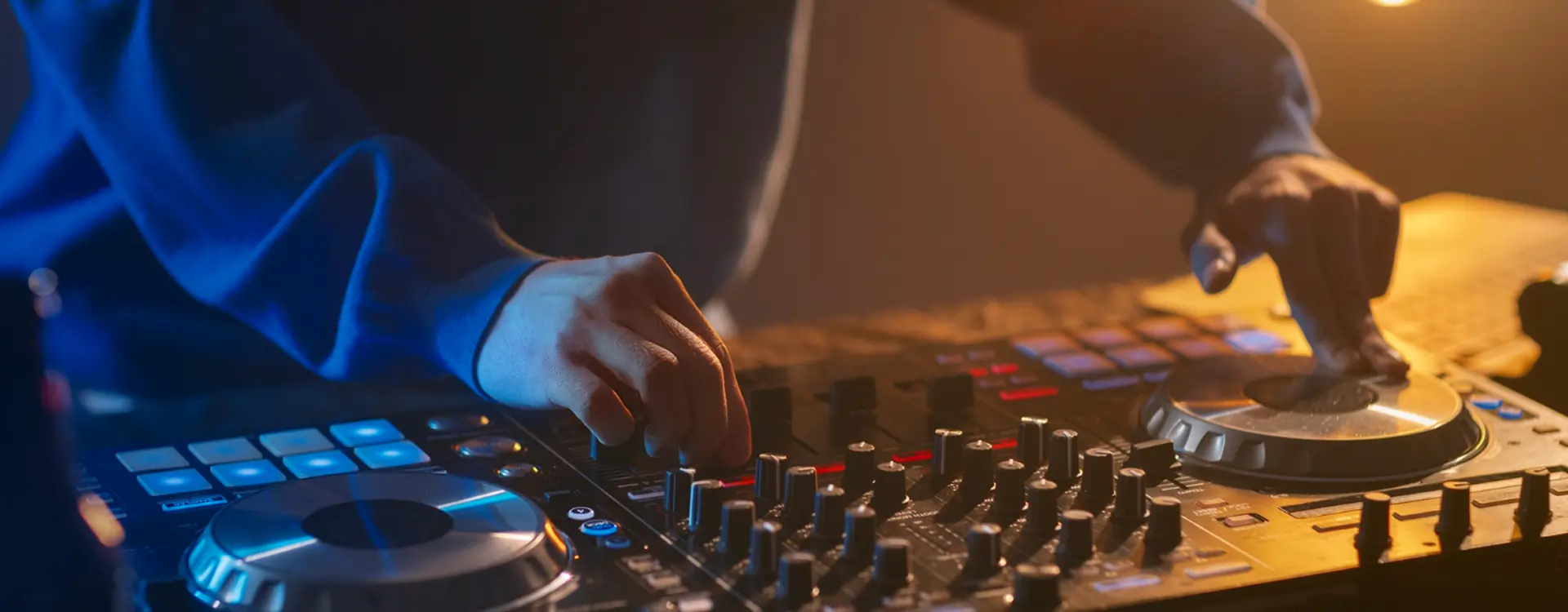
How to Mix Drum and Bass
If you have ever watched a skilled Drum and Bass DJ perform, you may have wondered how they seamlessly blend one high energy track into another while keeping the dancefloor moving.
The good news is that learning How to Mix Drum and Bass is not as difficult as it first appears.
Drum and Bass is one of the most exciting genres to DJ. Its fast tempos, rolling basslines, energetic drum patterns and creative mixing possibilities make it a favourite among club DJs and festival performers around the world.
However, many beginners are intimidated by the genre because tracks typically sit around 170 to 175 BPM. The speed can make beatmatching feel challenging at first.
In this guide, you will learn exactly how to mix Drum and Bass, including beatmatching, phrase matching, EQ techniques, transitions, common mistakes and professional tips that can dramatically improve your DJ sets.
Whether you are using Pioneer DJ equipment, Rekordbox, Serato DJ, Traktor or Virtual DJ, these techniques will help you build confidence and improve your mixes.
Quick Answer
How do you mix Drum and Bass?
To mix Drum and Bass successfully:
- Choose tracks with compatible energy and musical keys.
- Beatmatch both tracks accurately.
- Align phrases so drops and breakdowns occur naturally.
- Use EQ to prevent bass frequencies clashing.
- Introduce the new track gradually.
- Swap basslines cleanly.
- Exit the outgoing track smoothly.
The most important skill in Drum and Bass mixing is phrase matching. When phrases are aligned correctly, transitions sound natural and professional.
Why Is Drum and Bass Different to Mix?
Drum and Bass differs from many other genres because of its speed and structure.
Most tracks sit between:
| Genre | Typical BPM |
|---|---|
| House | 120-130 |
| Tech House | 124-128 |
| Trance | 130-140 |
| Dubstep | 140 |
| Drum and Bass | 170-175 |
Although Drum and Bass is faster, many tracks follow predictable structures which actually make mixing easier once you understand the format.
Typical sections include:
- Intro
- Build up
- Drop
- Main groove
- Breakdown
- Second drop
- Outro
Learning to recognise these sections is one of the fastest ways to improve your mixes.
Understanding Drum and Bass Phrasing
What Is Phrasing?
Phrasing refers to matching the musical structure of two tracks.
Most Drum and Bass tracks are built around:
- 16 bars
- 32 bars
- 64 bars
Professional DJs count these bars subconsciously.
For example:
Track A may be approaching a breakdown.
Track B begins its intro exactly 32 bars before the breakdown.
When both phrases align, the transition sounds natural.
Simple Counting Method
Count:
1
2
3
4
Repeated across 32 bars.
Listen for:
- New percussion
- Hi hats
- Bassline changes
- Vocal introductions
These often signal phrase changes.
How to Beatmatch Drum and Bass
Manual Beatmatching
Although modern DJ software provides sync functions, every DJ should understand manual beatmatching.
Step 1
Load Track A and play it through the speakers.
Step 2
Cue Track B in your headphones.
Step 3
Adjust the tempo slider until both tracks run at the same speed.
Step 4
Use the jog wheel to align the beats.
Step 5
Fine tune until both tracks stay locked together.
Expert Tip
Focus on the snare drum.
In Drum and Bass, the snare usually lands on beats 2 and 4, making timing easier to hear.
The Best Way to Transition Between Drum and Bass Tracks
Intro to Outro Mixing
This is the easiest technique for beginners.
Process
- Track A reaches the outro.
- Start Track B at the beginning of its intro.
- Match phrases.
- Slowly blend frequencies.
- Swap basslines.
- Remove Track A.
This technique works well for:
- Radio shows
- Club warm ups
- Mobile DJs
- Streaming sets
Bassline Swapping Technique
One of the biggest mistakes new Drum and Bass DJs make is allowing two basslines to play at full volume simultaneously.
This creates:
- Muddy sound
- Frequency clashes
- Reduced impact
Correct Method
During the transition:
Track A
- Low EQ reduced
Track B
- Low EQ gradually increased
This creates a smooth bassline exchange.
Double Drops Explained
What Is a Double Drop?
A double drop occurs when two tracks hit their drops simultaneously.
When executed correctly, it can create huge energy.
When executed poorly, it can sound chaotic.
Pros
- Massive crowd reaction
- High energy
- Creative performance
Cons
- Easy to make mistakes
- Requires preparation
- Can sound overcrowded
Beginners should master standard transitions before attempting double drops.
Using Harmonic Mixing in Drum and Bass
Why Musical Keys Matter
Tracks played in compatible keys generally sound smoother.
Popular key analysis tools include:
- Rekordbox
- Mixed In Key
- Serato DJ
Example Compatible Keys
| Key | Compatible Keys |
| 8A | 7A, 8A, 9A |
| 9A | 8A, 9A, 10A |
| 10A | 9A, 10A, 11A |
Harmonic mixing helps vocals, melodies and basslines blend naturally.
Best Equipment for Mixing Drum and Bass
Beginner Setup
| Equipment | Recommendation |
| Controller | Pioneer DDJ FLX4 |
| Software | Rekordbox |
| Headphones | Pioneer HDJ CUE1 |
| Speakers | Pioneer DM40D |
Intermediate Setup
| Equipment | Recommendation |
| Controller | Pioneer DDJ FLX6 GT |
| Software | Serato DJ Pro |
| Monitors | KRK Rokit 5 |
| Headphones | HDJ X7 |
Professional Setup
| Equipment | Recommendation |
| Media Players | Pioneer CDJ 3000 |
| Mixer | Pioneer DJM A9 |
| Monitors | Genelec 8030C |
| Headphones | HDJ X10 |
Common Drum and Bass Mixing Mistakes
Ignoring Phrasing
This is the number one beginner mistake.
Always count bars and phrases.
Mixing Too Early
Give tracks room to breathe.
Not every transition needs to happen immediately.
Clashing Basslines
Reduce low frequencies before introducing a new bassline.
Overusing Effects
Effects should enhance the mix, not hide mistakes.
Focusing Only on BPM
Matching BPM alone does not guarantee a good transition.
Phrase matching is equally important.
Expert Drum and Bass DJ Tips
Learn Track Structure
Know your music inside out.
Preparation beats improvisation.
Set Cue Points
Mark:
- Intro
- Build
- Drop
- Breakdown
- Outro
This speeds up decision making.
Record Every Practice Session
You will hear mistakes you missed during performance.
Build Energy Gradually
Avoid jumping from low energy tracks to peak time anthems too quickly.
Mix Different Sub Genres
Experiment with:
- Liquid Drum and Bass
- Dancefloor DnB
- Neurofunk
- Jungle
- Rollers
This creates more dynamic sets.
Pros and Cons of Mixing Drum and Bass
| Pros | Cons |
| Exciting genre | Fast BPM can be intimidating |
| Huge creative freedom | Requires phrase awareness |
| Strong crowd energy | Bass management essential |
| Great technical development | Poor preparation becomes obvious |
| Rewarding to master | Double drops require practice |
Frequently Asked Questions
Is Drum and Bass difficult to DJ?
Not necessarily. The BPM is faster, but track structures are often predictable which helps with phrase matching.
What BPM is Drum and Bass?
Most Drum and Bass tracks range between 170 and 175 BPM.
Should I use sync when learning Drum and Bass?
Sync is useful, but understanding manual beatmatching remains an important DJ skill.
What is a double drop?
A double drop is when two tracks hit their drops simultaneously.
Can beginners mix Drum and Bass?
Absolutely. Many DJs begin with Drum and Bass and develop excellent timing skills.
How long should transitions be?
Typically between 16 and 64 bars depending on track structure.
What software is best for Drum and Bass DJs?
Rekordbox and Serato DJ are among the most popular options.
Why do my Drum and Bass mixes sound messy?
The most common causes are poor phrase matching and clashing bass frequencies.
Do I need expensive equipment?
No. Many successful DJs began on entry level controllers.
How often should I practise?
Even 20 to 30 minutes per day can produce noticeable improvements.
Conclusion
Learning How to Mix Drum and Bass is one of the most rewarding skills a DJ can develop. While the fast tempo may seem intimidating at first, the core principles remain simple: beatmatch accurately, align phrases, manage bass frequencies and understand your music.
The more tracks you practise with, the more natural these techniques become.
Remember that every professional Drum and Bass DJ started exactly where you are now.
Keep practising, keep experimenting and most importantly enjoy the process.
If you want to accelerate your progress, explore more beginner friendly DJ guides, tutorials and resources at https://www.learnhowtobeadj.com/ and continue building the skills that will help you become a confident and capable DJ.
Want The Complete Roadmap To Become A DJ?
Step by Step to mix, play and launch your DJ journey with confidence.
- Beginner-friendly
- Easy to follow
- Packed with practical tips
 GET YOUR COPY NOW