
How to DJ Without Any Experience
-
 Jun 22, 2026
 -
 By
Learn How To Be a DJ
By
Learn How To Be a DJ -
 How To Be a DJ
 -
 10 min read
How to DJ Without Any Experience: The Complete Beginner’s Guide
If you have ever watched a DJ perform and thought, “I’d love to do that, but I have absolutely no experience,” you are not alone.
One of the most common questions aspiring DJs ask is whether it is possible to learn how to DJ without any experience. The good news is that the answer is a resounding yes.
Every professional DJ started exactly where you are right now. Nobody is born knowing how to beatmatch, mix tracks, read a crowd or use DJ equipment. These are all skills that can be learned with practice, patience and the right guidance.
The reality is that DJing is far easier to start than many beginners imagine. Modern DJ software, affordable controllers and online learning resources have made DJing more accessible than ever before.
In this guide, you will learn:
- Whether DJing is hard to learn
- How long it takes to become a DJ
- The equipment you need
- Step by step learning methods
- Common mistakes beginners make
- Professional tips from experienced DJs
- How to accelerate your progress
By the end of this article, you will have a clear roadmap for becoming a DJ from complete scratch.
Quick Answer
Can You Learn How to DJ Without Any Experience?
Yes.
Anyone can learn how to DJ without any experience if they are willing to practise regularly and learn the fundamentals.
Most beginners can learn basic mixing within a few weeks and become confident enough to perform short DJ sets within a few months.
The key skills include:
| DJ Skill | Difficulty Level |
|---|---|
| Loading songs | Easy |
| Creating playlists | Easy |
| Basic mixing | Easy to Medium |
| Beatmatching | Medium |
| Reading a crowd | Medium |
| Professional club performance | Advanced |
| Music programming | Advanced |
DJing is not difficult to start, but mastering it takes time and experience.
Is DJing Hard to Learn?
The honest answer is both yes and no.
DJing is easy to begin but difficult to master.
Think of driving a car.
Most people can learn to drive fairly quickly. However, becoming an exceptional racing driver takes years.
DJing works the same way.
Most beginners can learn:
- Basic transitions
- Song selection
- Playlist building
- Simple mixing
within a relatively short period.
However, becoming the type of DJ who can:
- Control a dance floor
- Perform at major festivals
- Read crowds instinctively
- Create unforgettable experiences
requires years of practice.
The important thing to remember is that you do not need to be world class to enjoy DJing.
Many hobby DJs, wedding DJs and mobile DJs earn money and entertain crowds without ever becoming superstar DJs.
Why DJing Is Easier Today Than Ever Before
Twenty years ago, learning to DJ was much harder.
Most DJs learned using vinyl records and turntables.
This required:
- Manual beatmatching
- Expensive equipment
- Large record collections
- Countless hours of practice
Today, technology has removed many of those barriers.
Modern software such as:
- Rekordbox
- Serato DJ Pro
- Virtual DJ
- Traktor Pro
can automatically analyse music and display beat grids.
This means beginners can focus on:
- Learning song structure
- Building confidence
- Understanding transitions
- Developing musical taste
before tackling more advanced techniques.
How to DJ Without Any Experience: Step by Step
Step 1: Understand What DJs Actually Do
Many beginners believe DJs simply press play.
In reality, DJs:
- Select music
- Create energy
- Control the atmosphere
- Mix tracks together
- Read audience reactions
- Build momentum
A great DJ is part musician, part entertainer and part psychologist.
Step 2: Learn Basic DJ Terminology
Before touching equipment, learn these terms:
Beat
The pulse of the music.
BPM
Beats Per Minute.
This measures song speed.
Examples:
| Genre | Typical BPM |
|---|---|
| Hip Hop | 70 to 100 |
| House | 120 to 130 |
| Tech House | 124 to 128 |
| Drum & Bass | 170 to 180 |
Cue Point
A marker used to jump to a specific part of a track.
Transition
The process of moving from one song to another.
Phrase
A section of music, usually 8, 16 or 32 beats long.
Understanding phrases is one of the biggest breakthroughs for beginner DJs.
Step 3: Get Basic DJ Equipment
You do not need thousands of pounds to start.
Budget Beginner Setup
| Equipment | Approx Cost |
|---|---|
| Laptop | Existing |
| Entry Level Controller | £150 to £300 |
| Headphones | £30 to £100 |
| Speakers | Optional |
Popular beginner controllers include:
Pioneer DDJ-FLX4
Ideal for beginners.
Hercules Inpulse 500
Excellent learning features.
Numark Mixtrack Platinum FX
Great value for money.
These controllers provide everything needed to learn professional DJ fundamentals.
Step 4: Choose DJ Software
Most beginner DJs start with:
Rekordbox
Industry standard.
Used in clubs worldwide.
Serato DJ Lite
Beginner friendly.
Simple interface.
Virtual DJ
Very easy for newcomers.
Traktor Pro
Excellent creative features.
For most beginners, Rekordbox is the best long term choice.
Step 5: Learn Basic Mixing
Your first goal is simple.
Learn to mix two songs together smoothly.
Focus on:
- Matching BPM
- Aligning phrases
- Controlling volume
- Using EQ
Do not worry about tricks.
Master the basics first.
Step 6: Practise Every Week
Consistency beats intensity.
Practising:
- 20 minutes daily
is usually more effective than:
- 4 hours once a week
Most progress comes through repetition.
How Long Does It Take to Learn DJing?
The answer depends on your goals.
| Goal | Typical Time |
|---|---|
| Basic transitions | 1 to 2 weeks |
| First full DJ set | 1 month |
| Confident home DJ | 3 months |
| Mobile DJ gigs | 6 months |
| Club DJ readiness | 1 to 2 years |
| Professional mastery | Ongoing |
The fastest learners are not necessarily the most talented.
They are usually the most consistent.
What Skills Should Beginners Learn First?
Song Structure
Learn:
- Intros
- Verses
- Breakdowns
- Drops
- Outros
Knowing where these sections occur makes transitions easier.
Beatmatching
Beatmatching means synchronising two tracks.
Modern software can help.
However, learning manual beatmatching remains a valuable skill.
EQ Mixing
EQ controls:
- Bass
- Midrange
- Treble
Most beginner mixes sound muddy because both tracks have bass playing simultaneously.
Learning EQ solves this problem.
Playlist Building
Professional DJs spend more time organising music than performing.
Strong playlists often outperform fancy mixing techniques.
Beginner DJ Equipment Comparison
| Feature | Controller | Club Setup |
|---|---|---|
| Cost | Low | Very High |
| Portability | Excellent | Poor |
| Learning Curve | Easy | Medium |
| Suitable For Beginners | Yes | No |
| Used In Clubs | Sometimes | Yes |
Beginners should start with a controller.
Club equipment can come later.
Common Mistakes New DJs Make
Buying Expensive Equipment Too Early
Many beginners spend thousands before learning the basics.
Start simple.
Upgrade later.
Ignoring Music Selection
Crowds remember great songs.
They rarely remember fancy transitions.
Song selection always comes first.
Learning Too Many Techniques At Once
Master:
- Cueing
- Beatmatching
- Transitions
before attempting advanced effects.
Not Recording Practice Sessions
Recording reveals mistakes that you miss during performance.
Professional DJs regularly review recordings.
Comparing Yourself to Experienced DJs
Social media can be misleading.
Many DJs have spent years developing their skills.
Focus on your own progress.
What Music Should Beginners Practise With?
Choose music you genuinely enjoy.
However, tracks with steady rhythms are easiest.
Great beginner genres include:
- House
- Tech House
- Deep House
- Commercial Dance
- Pop Remixes
These styles often have predictable structures.
This makes learning easier.
Can You Learn DJing Without Expensive Equipment?
Absolutely.
Many successful DJs began with:
- Free software
- Borrowed equipment
- Budget controllers
Your skill matters far more than your equipment.
A talented DJ on a £250 controller will outperform an inexperienced DJ on a £5,000 setup.
Pros and Cons of Learning DJing
Pros
Creative Outlet
DJing allows musical expression.
Social Opportunities
You meet people who share your passion.
Potential Income
Many DJs earn from:
- Weddings
- Parties
- Bars
- Corporate events
Confidence Building
Performing develops communication and presentation skills.
Lifelong Hobby
Many DJs continue for decades.
Cons
Equipment Costs
Initial investment is required.
Learning Curve
Progress takes patience.
Competition
Many people want to become DJs.
Music Costs
Building a quality library takes time.
Expert Tips From an Experienced DJ
After many years around DJs and DJ culture, these principles consistently separate successful beginners from those who quit.
Focus on Music First
The crowd cares about music.
Not equipment.
Not effects.
Not tricks.
Music always wins.
Build a Small Music Collection
Start with 50 to 100 tracks.
Know them inside out.
Avoid collecting thousands immediately.
Learn Phrasing Early
Understanding phrases is often the biggest breakthrough for beginners.
Once you understand phrasing, mixing becomes much easier.
Record Every Practice Session
This habit accelerates improvement dramatically.
Develop Your Own Style
Do not try to become the next famous DJ.
Become the first version of yourself.
A Simple 30 Day Beginner DJ Plan
Week 1
Learn:
- Equipment basics
- Software navigation
- Loading tracks
- Cueing
Week 2
Practise:
- BPM matching
- Basic transitions
Week 3
Focus on:
- EQ mixing
- Song structure
- Playlist building
Week 4
Record:
- A 30 minute DJ set
Review it honestly.
Identify improvements.
Repeat.
Should You Learn on Controllers or Turntables?
| Feature | Controller | Turntables |
|---|---|---|
| Beginner Friendly | Excellent | Challenging |
| Cost | Lower | Higher |
| Portability | Excellent | Poor |
| Modern Relevance | Very High | Medium |
| Learning Curve | Easier | Harder |
Most beginners should start with controllers.
Turntables remain fantastic for learning traditional skills but require greater commitment.
Frequently Asked Questions
Is DJing hard to learn for beginners?
No. Basic DJing is relatively easy to learn. Most beginners can perform simple transitions within a few weeks.
How can I start DJing with no experience?
Begin with a controller, DJ software and regular practice. Focus on mixing two songs smoothly before learning advanced techniques.
How much does it cost to start DJing?
A beginner setup typically costs between £200 and £500.
Do I need musical talent to become a DJ?
No. Musical interest helps, but technical skills can be learned through practice.
Can I teach myself to DJ?
Yes. Many successful DJs are self taught.
Which DJ software is best for beginners?
Rekordbox and Serato are excellent starting points.
How many songs should a beginner DJ own?
Start with 50 to 100 quality tracks.
How often should I practise DJing?
Aim for at least 20 to 30 minutes several times per week.
Can I become a DJ at 30, 40 or 50 years old?
Absolutely. Many DJs begin later in life and enjoy successful careers or hobbies.
Is DJing easier than producing music?
Generally yes. Producing music usually requires learning more technical skills.
Can I DJ using only a laptop?
Yes. However, a controller provides a better learning experience.
Do professional DJs still use controllers?
Many do. Controllers are common in mobile DJing, livestreaming and event work.
How long before I can play my first gig?
Many beginners are ready for small events within three to six months.
Is beatmatching still important?
Yes. While technology helps, understanding beatmatching improves overall DJ skills.
What is the most important DJ skill?
Music selection.
Great song choices consistently outperform technical tricks.
Conclusion
So, how to DJ without any experience?
Start small, stay consistent and focus on the fundamentals.
DJing is not as difficult as many people believe. Most beginners can learn the basics surprisingly quickly with modern equipment and software. The challenge is not getting started. The challenge is staying committed long enough to become genuinely good.
Remember:
- Learn the basics first
- Focus on music selection
- Practise regularly
- Record your sessions
- Be patient with yourself
Every professional DJ was once a complete beginner.
If you are serious about learning faster, explore the free guides, equipment reviews and beginner resources available at LearnHowToBeADJ.com and take the next step towards becoming the DJ you want to be.
Want The Complete Roadmap To Become A DJ?
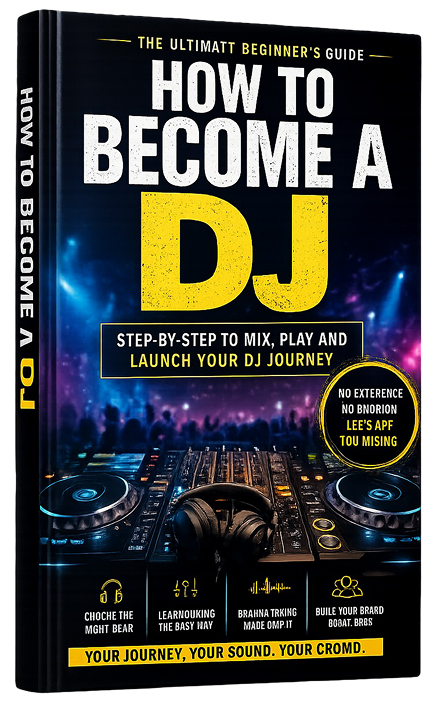
Step by Step to mix, play and launch your DJ journey with confidence.
- Beginner-friendly
- Easy to follow
- Packed with practical tips
 GET YOUR COPY NOW