
DJing for Complete Beginners
-
 Jun 22, 2026
 -
 By
Learn How To Be a DJ
By
Learn How To Be a DJ -
 How To Be a DJ
 -
 8 min read
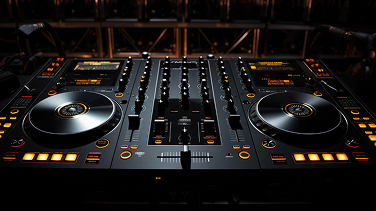
DJing for Complete Beginners: The Ultimate Step by Step Guide
If you have ever watched a DJ perform and thought, “I would love to do that,” you are in the right place.
The good news is that DJing is more accessible today than ever before. Modern DJ software, affordable controllers and online learning resources mean anyone can start learning the art of mixing music from home.
This guide to DJing for Complete Beginners will walk you through everything you need to know to get started. Whether your goal is to DJ at house parties, weddings, bars, clubs, festivals or simply for fun, this guide will help you build a strong foundation.
As someone who has spent years behind DJ booths, playing events and helping beginners learn the craft, I can confidently say that every successful DJ started exactly where you are now.
By the end of this guide you will understand:
- What a DJ actually does
- The equipment you need
- How DJ software works
- How to beatmatch and mix songs
- Common beginner mistakes
- How to practise effectively
- How to get your first DJ gigs
Let’s get started.
Quick Answer: What Is DJing?
DJing is the art of selecting, mixing and presenting music to an audience.
A DJ uses equipment and software to blend tracks together smoothly, maintain energy on the dance floor and create an enjoyable musical journey.
Complete beginners can start DJing with:
- A laptop
- DJ software
- An entry level DJ controller
- Headphones
- Regular practise
Most beginners can learn basic mixing within a few weeks and become confident DJs within a few months of consistent practice.
What Does a DJ Actually Do?
Many beginners believe DJs simply press play.
In reality, professional DJs perform several important tasks.
Selecting Music
The first job of a DJ is choosing the right music.
A skilled DJ understands:
- Genres
- Energy levels
- Crowd behaviour
- Timing
The right track at the right moment can transform an event.
Mixing Tracks
Mixing involves smoothly transitioning from one song into another.
The goal is to avoid awkward silences and maintain the flow of music.
Reading The Crowd
One of the most important DJ skills is understanding audience reactions.
Professional DJs constantly monitor:
- Dance floor activity
- Audience engagement
- Energy levels
- Requests
Creating An Experience
Great DJs do more than play songs.
They create memorable moments through:
- Music selection
- Timing
- Energy control
- Technical skill
Why Is DJing So Popular?
DJing offers many benefits.
| Benefit | Description |
|---|---|
| Creative Expression | Share your musical taste |
| Flexible Career | Work part time or full time |
| Social Opportunities | Meet people through music |
| Performance Skills | Build confidence |
| Potential Income | Earn money from gigs |
Many people begin DJing as a hobby and eventually turn it into a business.
What Equipment Do Beginners Need?
One of the most common questions about DJing for complete beginners is:
“What equipment should I buy first?”
Fortunately, you do not need expensive equipment.
Essential Beginner DJ Setup
Laptop
Your laptop acts as the brain of your setup.
Most modern laptops can run DJ software comfortably.
DJ Controller
A DJ controller provides physical controls for mixing.
Popular beginner options include:
| Controller | Suitable For | Approx Price |
| Pioneer DDJ FLX4 | Beginners | £250-£350 |
| Numark Mixtrack Platinum FX | Beginners | £200-£300 |
| Hercules Inpulse 500 | Beginners | £250-£350 |
Headphones
DJ headphones allow you to prepare the next track privately.
Look for:
- Comfortable fit
- Good sound isolation
- Durable construction
Speakers
You can start with:
- Computer speakers
- Bluetooth speakers
- Studio monitors
You do not need a nightclub sound system to learn.
Understanding DJ Software
DJ software allows you to organise and mix music digitally.
Popular options include:
Rekordbox
Industry standard software used by many club DJs.
Excellent for:
- Home practice
- Club preparation
- Performance
Serato DJ
Popular among:
- Mobile DJs
- Open format DJs
- Scratch DJs
Virtual DJ
Excellent beginner platform with lots of features.
Traktor Pro
Favoured by many electronic music DJs.
How To Start DJing Step By Step
Step 1: Learn Your Equipment
Spend time exploring:
- Play buttons
- Cue buttons
- Tempo faders
- Jog wheels
- Mixer section
Understanding your equipment is essential.
Step 2: Organise Your Music
Create playlists by:
- Genre
- Energy level
- Mood
- Event type
Good organisation makes mixing easier.
Step 3: Learn Basic Beatmatching
Beatmatching means synchronising two songs.
When done correctly:
- Beats align
- Transitions sound smooth
- Energy remains consistent
Many modern systems offer sync features, but understanding manual beatmatching remains valuable.
Step 4: Learn Simple Transitions
Start with:
Volume Fade
Gradually reduce one track while increasing another.
EQ Mixing
Blend tracks using:
- Bass
- Midrange
- Treble
Phrase Mixing
Transition at logical musical points.
This is one of the most important DJ skills.
What Is Phrase Mixing?
Music follows patterns.
Most dance music is structured in:
- 8 bars
- 16 bars
- 32 bars
Professional DJs align these structures.
This creates seamless transitions.
Beginners who learn phrase mixing early improve much faster.
How Long Does It Take To Learn DJing?
Learning speed varies.
| Experience Level | Typical Time |
| Basic Mixing | 2-4 weeks |
| Confident Home DJ | 2-6 months |
| Mobile DJ | 6-12 months |
| Club DJ | 1-3 years |
Consistency matters more than talent.
Practising 30 minutes daily is often more effective than practising 5 hours once a week.
DJing For Complete Beginners: Essential Skills To Master
Beatmatching
Matching song tempos.
EQ Mixing
Balancing frequencies during transitions.
Music Selection
Choosing tracks that work together.
Timing
Knowing exactly when to transition.
Crowd Reading
Understanding audience behaviour.
Library Management
Organising music efficiently.
Common DJ Genres For Beginners
House Music
Predictable structure.
Easy to mix.
Dance Music
Popular and energetic.
Commercial Pop
Great for parties and mobile DJs.
R&B
Excellent for learning smooth transitions.
Hip Hop
Introduces creative mixing techniques.
Pros And Cons Of Learning DJing
Pros
- Fun and rewarding
- Creative outlet
- Potential income
- Social opportunities
- Flexible learning
Cons
- Equipment costs
- Requires regular practice
- Music purchases can add up
- Building a reputation takes time
Common Mistakes Beginners Make
Buying Expensive Equipment Too Soon
Many beginners spend thousands unnecessarily.
Start small.
Upgrade later.
Ignoring Music Selection
Track choice matters more than fancy equipment.
Relying Entirely On Sync
Sync is useful.
However, understanding timing and phrasing remains essential.
Practising Randomly
Structured practice produces faster results.
Playing Too Many Genres
Focus on one or two styles initially.
Expert Tips From A Professional DJ
Record Every Practice Session
Listening back reveals mistakes quickly.
Build A Small Quality Music Library
100 excellent songs outperform 10,000 random tracks.
Learn One Technique At A Time
Avoid overwhelming yourself.
Study Professional DJs
Watch performances online.
Observe:
- Track selection
- Timing
- Crowd interaction
Practise Transitions Repeatedly
Repetition creates confidence.
How To Practise DJing Effectively
A simple practice plan:
Monday
Beatmatching
Tuesday
EQ transitions
Wednesday
Phrase mixing
Thursday
Music organisation
Friday
30 minute DJ set
Weekend
Record and review performance
Consistency beats intensity.
How To Get Your First DJ Gig
Start At Home
Build confidence first.
Record Mixes
Create evidence of your skills.
DJ For Friends
House parties provide valuable experience.
Create Social Media Content
Share clips of your progress.
Network
Many opportunities come through relationships.
Beginner DJ Budget Guide
| Budget | Recommended Setup |
| £300 | Controller + Headphones |
| £500 | Controller + Headphones + Speakers |
| £1,000 | Higher quality setup |
| £2,000+ | Advanced home setup |
Remember:
Your skill matters far more than your budget.
Frequently Asked Questions
Can I Learn DJing Without Expensive Equipment?
Yes.
A basic controller and laptop are enough to begin.
Is DJing Hard To Learn?
The basics are straightforward.
Mastery takes practice.
How Much Does It Cost To Start DJing?
Most beginners can start between £300 and £600.
What Is The Best DJ Software For Beginners?
Rekordbox, Serato DJ and Virtual DJ are excellent choices.
Do I Need To Learn Beatmatching?
Yes.
Even with sync features, understanding beatmatching improves your skills.
Can I DJ Using Only A Laptop?
Yes.
Many beginners start this way.
How Often Should I Practise?
Aim for at least 30 minutes per day.
How Long Before I Can Play A Party?
Many beginners are ready within a few months.
What Music Should Beginners Practise With?
House music and commercial dance tracks are ideal.
Is DJing A Good Career?
It can be.
Many DJs combine performances with teaching, production and content creation.
Do Professional DJs Use Sync?
Many do.
The important thing is delivering a great performance.
Should I Buy Speakers Immediately?
Not necessarily.
Headphones and a controller are more important initially.
Can I Become A Club DJ?
Yes.
Many successful club DJs started with simple home setups.
Do I Need Music Theory?
No.
It helps but is not essential.
Is Age A Barrier To Learning DJing?
Absolutely not.
People begin DJing successfully at all ages.
Conclusion
Learning DJing for Complete Beginners does not have to be complicated.
Start with the fundamentals.
Learn your equipment.
Build a quality music collection.
Practise consistently.
Focus on smooth transitions rather than complex tricks.
Most importantly, enjoy the journey.
Every professional DJ started as a complete beginner.
With dedication, patience and the right guidance, you can develop the skills needed to play confidently for friends, events, weddings, bars, clubs and beyond.
For more beginner guides, equipment reviews and step by step DJ training, visit https://www.learnhowtobeadj.com/ and continue building your DJ skills one mix at a time.
Want The Complete Roadmap To Become A DJ?
Step by Step to mix, play and launch your DJ journey with confidence.
- Beginner-friendly
- Easy to follow
- Packed with practical tips
 GET YOUR COPY NOW