
How DJs Use EQs
-
 Jun 23, 2026
 -
 By
Learn How To Be a DJ
By
Learn How To Be a DJ -
 How To Be a DJ
 -
 9 min read
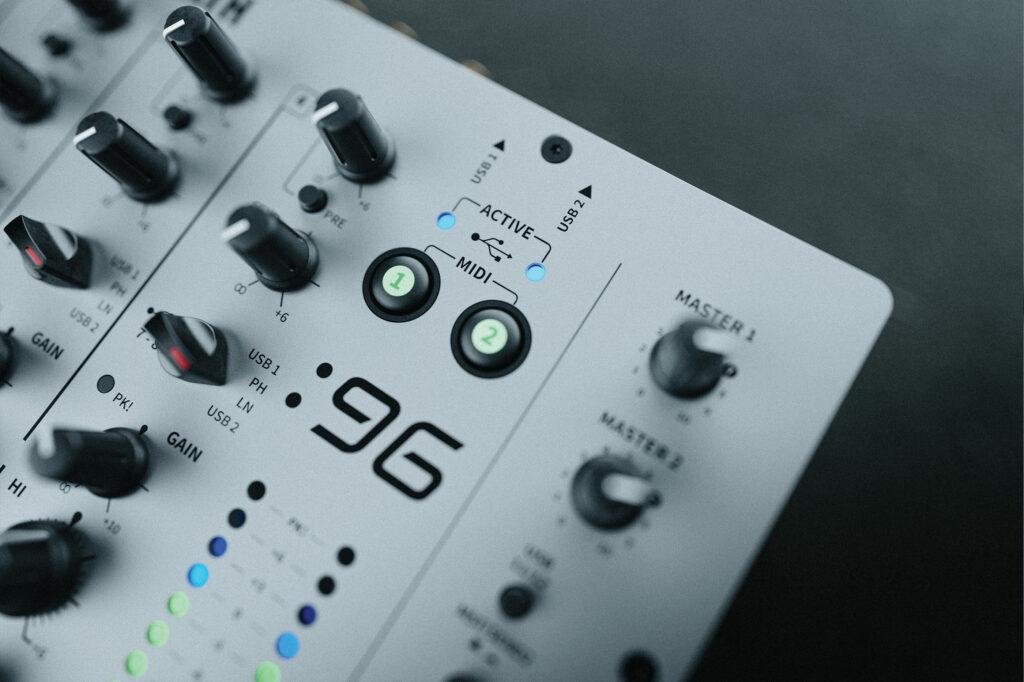
How DJs Use EQs: The Complete DJ Mixing Guide
If you want your DJ mixes to sound clean, professional and seamless, learning how to use EQs is one of the most important skills you can develop.
Many beginner DJs focus on beatmatching, effects and fancy transitions. However, experienced DJs know that EQ control is often what separates an amateur sounding mix from a professional one.
Whether you are mixing at home, playing weddings, performing at private events or rocking a nightclub, understanding EQs will help you blend tracks together without creating muddy sound, clashing frequencies or overwhelming bass.
In this guide, you will learn exactly how to use EQs, what each EQ band does, when to adjust them, common mistakes to avoid and practical techniques used by professional DJs around the world.
By the end, you will have the confidence to create smoother transitions and better sounding DJ sets.
Quick Answer: How to Use EQs
EQ stands for Equalisation.
DJ EQ controls allow you to increase or decrease specific frequency ranges within a track.
Most DJ mixers feature three EQ bands:
| EQ Band | Frequency Range | Controls |
|---|---|---|
| High | Treble frequencies | Vocals, hi hats, cymbals |
| Mid | Mid frequencies | Melodies, instruments, vocals |
| Low | Bass frequencies | Kick drums and basslines |
When mixing two tracks together:
- Reduce the bass on the incoming track.
- Beatmatch the tracks.
- Bring the new track into the mix.
- Gradually swap the bass frequencies.
- Blend mids and highs smoothly.
- Complete the transition.
This prevents frequency clashes and creates cleaner mixes.
What Is EQ in DJing?
EQ stands for Equalisation.
It allows DJs to control different frequency ranges of a song independently.
Think of EQ as a way to sculpt the sound.
Rather than simply turning the volume up or down, EQ allows you to adjust specific parts of the music.
For example:
- Too much bass? Reduce the low EQ.
- Harsh hi hats? Reduce the high EQ.
- Vocals overpowering the mix? Adjust the mids.
Professional DJs use EQ constantly throughout a set.
Why Is Learning How to Use EQs Important?
EQ control helps DJs:
Create seamless transitions
Avoid bass clashes
Blend songs naturally
Improve overall sound quality
Adapt to different sound systems
Maintain dancefloor energy
Without EQ control, mixes often sound messy and amateurish.
Understanding the Three EQ Bands
High EQ (Treble)
The high EQ controls upper frequencies.
These frequencies include:
- Hi hats
- Cymbals
- Shakers
- High synth sounds
- Vocal brightness
When to Adjust High EQ
You might reduce highs when:
- Two tracks have busy percussion
- High frequencies sound harsh
- One track contains dominant vocals
You might increase highs when:
- A track sounds dull
- You want more clarity
- A sound system lacks sparkle
Mid EQ
The mid frequencies are often overlooked by beginners.
However, many important musical elements sit in the midrange.
These include:
- Vocals
- Pianos
- Synths
- Guitars
- Main melodies
Why Mid EQ Matters
Most musical information exists within the mid frequencies.
Too much midrange can make a mix sound crowded.
Reducing mids slightly during transitions can help tracks blend more smoothly.
Low EQ (Bass)
Bass frequencies contain:
- Kick drums
- Sub bass
- Basslines
These frequencies carry the energy of the dancefloor.
The Golden Rule
Never allow two powerful basslines to play at full volume simultaneously.
This creates:
- Muddy sound
- Distortion
- Loss of clarity
Professional DJs usually remove the bass from one track before introducing another.
How to Use EQs During a DJ Mix
Step 1: Choose Compatible Tracks
Before touching the EQs, select tracks that work together.
Consider:
- Similar BPM
- Similar energy
- Compatible musical styles
Good track selection makes EQ work easier.
Step 2: Beatmatch the Tracks
Synchronise the tempos.
Whether using:
- Pioneer DJ CDJs
- Rekordbox
- Serato DJ
- Traktor
- Virtual DJ
The tracks must remain aligned before EQ adjustments become effective.
Step 3: Remove the Bass from the Incoming Track
This is the technique most DJs learn first.
Turn the low EQ fully down on the incoming track.
The playing track retains control of the bass.
This avoids bass clashes.
Step 4: Introduce the New Track
Bring the channel fader up gradually.
The audience now hears:
- High frequencies
- Mid frequencies
But not the bass.
The mix remains clean.
Step 5: Swap the Bass
As the transition develops:
Lower bass on Track A.
Increase bass on Track B.
Do this gradually.
This creates a smooth handover of energy.
Step 6: Complete the Transition
Once the new track is established:
Remove the old track.
Reset your EQs.
Prepare for the next mix.
The Most Common EQ Mixing Technique
Bass Swapping
Bass swapping is probably the most widely used EQ technique in DJing.
How It Works
| Track A | Track B |
|---|---|
| Bass On | Bass Off |
| Mid On | Mid On |
| High On | High On |
During the transition:
| Track A | Track B |
|---|---|
| Bass Down | Bass Up |
| Mid Adjusted | Mid Adjusted |
| High Adjusted | High Adjusted |
This creates a smooth exchange between tracks.
EQ Mixing Techniques Used by Professional DJs
The Long Blend
Popular in:
- House
- Deep House
- Progressive House
- Melodic Techno
Characteristics:
- Gradual EQ changes
- Extended transitions
- Smooth energy flow
The Quick Swap
Popular in:
- Open Format
- Wedding DJing
- Commercial Dance Music
Characteristics:
- Fast bass exchange
- Rapid transitions
- Maintains excitement
The Vocal Blend
Useful when mixing vocal tracks.
Reduce mids slightly on one track.
Allow the dominant vocal to remain clear.
Avoid vocal clashes.
The Energy Lift
Before a drop:
Reduce bass slightly.
Build anticipation.
Restore bass at the key moment.
The dancefloor feels the impact.
Example: Real World EQ Mixing Scenario
Imagine mixing:
Track A
Current track playing.
Strong bassline.
Full dancefloor energy.
Track B
New track entering.
Also has a heavy bassline.
If both basslines play together:
Muddy sound
Bass overload
Reduced clarity
Instead:
- Remove bass from Track B.
- Introduce Track B.
- Gradually reduce bass on Track A.
- Introduce bass on Track B.
- Complete the transition.
Result:
Smooth mix
Professional sound
Better crowd experience
How Different DJ Mixers Handle EQ
Entry Level Controllers
Examples:
- Pioneer DDJ-FLX4
- Numark Mixtrack Platinum FX
Typically include:
- Three band EQ
- Filter controls
Ideal for beginners.
Professional Club Mixers
Examples:
- Pioneer DJM-A9
- Allen & Heath Xone:96
Offer:
- Precise EQ control
- Better sound quality
- Advanced frequency shaping
Common EQ Mistakes Beginners Make
Leaving Both Basslines Active
The biggest mistake.
Always manage low frequencies carefully.
Overusing EQ
Small movements often create better results than dramatic adjustments.
Ignoring Mid Frequencies
Many beginners only touch bass controls.
Mid EQ is equally important.
Forgetting to Reset EQs
After every transition:
Return EQ knobs to neutral.
Otherwise future mixes become difficult.
Mixing with Your Eyes
Do not stare at waveforms.
Use your ears.
EQ decisions should be based on what sounds best.
Pros and Cons of Using EQs
| Pros | Cons |
|---|---|
| Cleaner transitions | Requires practice |
| Professional sounding mixes | Easy to overdo |
| Better frequency balance | Can mask poor track selection |
| Improved dancefloor energy | Mistakes are noticeable |
| Greater creative control | Learning curve for beginners |
Expert Tips for Using EQs
Learn One EQ Technique First
Master bass swapping before moving on.
Practise With Similar Tracks
House music often provides the easiest environment for learning EQ control.
Record Every Practice Session
Listen back.
Notice where frequencies clash.
Use Headphones Effectively
Preview incoming tracks carefully.
Study Professional DJs
Watch performances from:
- Carl Cox
- James Hype
- Laidback Luke
Observe how they use EQ during transitions.
EQ Settings Cheat Sheet
| Situation | Low EQ | Mid EQ | High EQ |
|---|---|---|---|
| Introducing new track | Down | Normal | Normal |
| Bass swap | Swap gradually | Slight adjust | Slight adjust |
| Vocal clash | Normal | Reduce slightly | Normal |
| Harsh sound | Normal | Normal | Reduce |
| Dull sound | Normal | Normal | Increase slightly |
Frequently Asked Questions
What does EQ stand for in DJing?
EQ stands for Equalisation, which allows DJs to adjust specific frequency ranges within a track.
Should I always remove the bass when mixing?
In most situations yes, particularly when both tracks contain strong basslines.
What is the most important EQ control?
The low EQ is usually the most important because bass frequencies create the most noticeable clashes.
Can I DJ without using EQ?
Technically yes, but your mixes will rarely sound as clean or professional.
What are mids on a DJ mixer?
Mid frequencies contain vocals, melodies and many musical instruments.
What are highs on a DJ mixer?
High frequencies include hi hats, cymbals, percussion and vocal brightness.
Why do my mixes sound muddy?
You may have too many frequencies playing simultaneously, particularly bass frequencies.
How long does it take to learn EQ mixing?
Most beginners can understand the basics within a few days of focused practice.
Mastery takes months of consistent use.
Should EQ knobs stay at 12 o’clock?
Normally yes.
The centre position is considered neutral.
Do professional DJs use EQ constantly?
Absolutely.
EQ adjustments happen throughout almost every professional DJ set.
Is EQ more important than effects?
For most DJs, yes.
A clean EQ mix sounds better than excessive effects.
Can EQ improve poor quality music files?
Not significantly.
Always use high quality audio files whenever possible.
What software supports EQ mixing?
Most major DJ software includes EQ controls including:
- Rekordbox
- Serato DJ Pro
- Traktor Pro
- VirtualDJ
Does every DJ controller have EQ controls?
Almost all modern DJ controllers feature at least three-band EQ controls.
What is the best way to practise EQ mixing?
Record your sessions and focus exclusively on bass swapping until it becomes second nature.
Conclusion
Learning How to Use EQs is one of the fastest ways to improve your DJ mixes.
While beatmatching gets tracks in time, EQs help them sit together naturally. Mastering bass swaps, understanding frequency ranges and making subtle adjustments will dramatically improve your sound.
Remember that great EQ mixing is not about constantly twisting knobs. It is about making small, purposeful changes that enhance the music.
The more you practise, the more instinctive EQ control becomes.
If you are serious about becoming a better DJ, continue building your skills with the tutorials, equipment reviews and beginner guides available at LearnHowToBeADJ.com.
Your next great mix starts with understanding your EQs.
Want The Complete Roadmap To Become A DJ?
Step by Step to mix, play and launch your DJ journey with confidence.
- Beginner-friendly
- Easy to follow
- Packed with practical tips
 GET YOUR COPY NOW