
How to Mix Afrobeats
-
 Jun 23, 2026
 -
 By
Learn How To Be a DJ
By
Learn How To Be a DJ -
 How To Be a DJ
 -
 12 min read

How to Mix Afrobeats Like a Professional DJ
Afrobeats has become one of the most exciting and influential genres in modern DJ culture. From weddings and private parties to festivals and major nightclubs, Afrobeats now sits alongside house, hip hop, dancehall, amapiano and R&B as a core genre in many DJs’ playlists.
If you are wondering how to mix Afrobeats successfully, the good news is that it is often easier than many beginners expect. However, mastering smooth Afrobeats transitions requires an understanding of rhythm, energy, phrasing and track selection.
In this guide, you will learn exactly how to mix Afrobeats, including BPM matching, EQ techniques, transition methods, common mistakes and professional DJ tips that can help you sound polished behind the decks.
Whether you are using a controller, CDJs or DJ software such as Rekordbox, Serato DJ Pro or Virtual DJ, this guide will help you build confidence and improve your mixes.
Quick Answer: How to Mix Afrobeats
The best way to mix Afrobeats is to focus on matching song phrases, understanding groove patterns, using EQ correctly and choosing tracks with complementary energy levels. Most Afrobeats tracks sit between 95 and 115 BPM, making them relatively easy to blend. Smooth transitions often involve gradual EQ swaps, vocal drop transitions and phrase matching rather than aggressive beat juggling.
What Is Afrobeats?
Afrobeats is a contemporary African music genre that combines elements of:
- Highlife
- Afro-pop
- Hip hop
- Dancehall
- R&B
- House music
- Traditional African rhythms
Artists such as:
- Wizkid
- Burna Boy
- Davido
- Tems
- Rema
- Ayra Starr
have helped push Afrobeats onto the global stage.
Unlike electronic dance music, Afrobeats relies heavily on groove, percussion and vocal melodies. As a result, DJs must approach mixing slightly differently.
Why Is Afrobeats Popular for DJs?
Afrobeats works exceptionally well because it appeals to a broad audience.
Benefits include:
| Advantage | Why It Matters |
|---|---|
| Danceable rhythms | Keeps people moving |
| Positive energy | Creates a feel-good atmosphere |
| Cross-generational appeal | Works at weddings and clubs |
| Easy genre crossover | Blends with Amapiano, Dancehall and R&B |
| Global popularity | Recognised worldwide |
This flexibility makes Afrobeats one of the most valuable genres for modern DJs.
Understanding Afrobeats BPM Ranges
Before learning how to mix Afrobeats, you need to understand typical tempo ranges.
| Style | BPM Range |
|---|---|
| Slow Afrobeats | 90–100 BPM |
| Mainstream Afrobeats | 100–110 BPM |
| Upbeat Afrobeats | 110–115 BPM |
| Afro House | 115–125 BPM |
| Amapiano | 110–115 BPM |
Many Afrobeats tracks naturally sit close together in tempo, which makes beatmatching easier.
Essential Equipment for Mixing Afrobeats
DJ Controllers
Popular beginner options include:
- Pioneer DDJ-FLX4
- Numark Mixtrack Platinum FX
- Hercules Inpulse 500
DJ Software
Recommended software:
- Rekordbox
- Serato DJ Pro
- VirtualDJ
- Traktor Pro
Headphones
Quality monitoring headphones are essential.
Popular choices include:
- Sennheiser HD 25
- Pioneer HDJ-X10
- Audio-Technica ATH-M50x
Step-by-Step: How to Mix Afrobeats
Step 1: Organise Your Music Library
Before mixing, sort tracks by:
- BPM
- Energy level
- Key
- Mood
- Artist
For example:
Warm Up
- Tems
- Fireboy DML
- Omah Lay
Peak Time
- Burna Boy
- Davido
- Wizkid
High Energy
- Rema
- Asake
- Shallipopi
Good preparation leads to better mixes.
Step 2: Learn Phrase Matching
Phrase matching is arguably more important than perfect beatmatching in Afrobeats.
Most tracks are structured in:
- 8 bars
- 16 bars
- 32 bars
A professional transition starts when a phrase ends.
Example
Track A reaches the end of a chorus.
Track B starts its intro exactly at the beginning of the next phrase.
The result sounds natural and musical.
Step 3: Match the BPM
Although Afrobeats is rhythmically complex, BPM matching is still important.
For example:
| Track | BPM |
|---|---|
| Burna Boy Track | 102 |
| Wizkid Track | 104 |
Adjust tempo slightly until both align.
Because the BPM difference is small, audiences rarely notice.
Step 4: Use EQ Correctly
Many beginner DJs make the mistake of leaving all frequencies active.
This creates muddy sound.
Instead:
Incoming Track
Reduce:
- Bass
- Low frequencies
Outgoing Track
Keep bass active initially.
Gradually swap basslines during the transition.
This creates a cleaner mix.
Step 5: Blend During Instrumental Sections
One of the easiest ways to mix Afrobeats is during:
- Intros
- Outros
- Instrumental breaks
- Drum sections
Avoid mixing two strong vocal sections together unless the songs complement each other.
Too many vocals can sound cluttered.
Step 6: Manage Energy Levels
Professional DJs think about energy, not just BPM.
A smooth journey might look like:
| Stage | Energy |
|---|---|
| Warm Up | Low |
| Building Crowd | Medium |
| Peak Time | High |
| Finale | Very High |
The best Afrobeats DJs tell a story through music.
Best Afrobeats Transition Techniques
EQ Blend Transition
Ideal for:
- Weddings
- Lounge sets
- Restaurants
- Corporate events
Method:
- Match BPM
- Start incoming track
- Remove bass
- Slowly swap EQ
- Complete transition
Result:
Smooth and professional.
Echo Out Transition
Ideal for:
- Vocal-heavy tracks
Method:
- Apply echo effect
- Echo final vocal phrase
- Start new track
This sounds clean and modern.
Drop Mix Transition
Popular in clubs.
Method:
- Wait for breakdown
- Cut outgoing track
- Drop incoming track on the beat
Crowds often react strongly to this technique.
Spinback Transition
Best used sparingly.
Works well for:
- Club events
- Open format sets
- Hype moments
Avoid overusing it.
How to Mix Afrobeats with Amapiano
Amapiano and Afrobeats are natural partners.
| Afrobeats | Amapiano |
|---|---|
| Vocal driven | Groove driven |
| Faster percussion | Deeper log drums |
| Mainstream appeal | Underground feel |
Transition tips:
- Match BPM carefully
- Use extended intros
- Introduce log drums gradually
- Build tension before drops
This combination is extremely popular in today’s clubs.
How to Mix Afrobeats with Hip Hop
Many DJs transition between:
- Afrobeats
- Hip Hop
- R&B
The secret is finding common rhythm patterns.
Good crossover artists include:
- Burna Boy
- Wizkid
- Drake collaborations
- Rema
These tracks naturally bridge genres.
How to Mix Afrobeats at Weddings
Wedding DJs often rely heavily on Afrobeats.
Best approach:
Start Familiar
Play well-known singalong tracks.
Build Gradually
Increase energy throughout the evening.
Consider Age Groups
Balance newer hits with classics.
Watch the Dancefloor
The crowd always tells you what works.
A successful wedding DJ reads the room constantly.
Common Mistakes When Mixing Afrobeats
Ignoring Song Structure
Many beginners focus only on BPM.
Phrasing is equally important.
Mixing Vocals Over Vocals
Too many competing vocals sound messy.
Use instrumental sections whenever possible.
Overusing Effects
Effects should enhance the mix.
They should not become the focus.
Jumping Energy Too Quickly
Going from a mellow groove to a huge anthem can empty a dancefloor.
Build naturally.
Not Knowing the Music
The best Afrobeats DJs know their tracks inside out.
Listen regularly.
Study song structures.
Learn breakdowns and drops.
Pros and Cons of Mixing Afrobeats
| Pros | Cons |
|---|---|
| Easy BPM ranges | Some tracks have complex percussion |
| Huge audience appeal | Certain tracks lack long intros |
| Works with multiple genres | Requires good phrasing awareness |
| Great for weddings | Vocals can clash easily |
| Popular worldwide | Energy management is important |
Expert DJ Tips for Mixing Afrobeats
After years of DJing weddings, parties and club events, these are the techniques that consistently work.
Know Your Crowd
An Afrobeats set in London may differ from one in Manchester, Lagos or Accra.
Understand your audience.
Build Crates
Create playlists for:
- Warm up
- Peak time
- Closing tracks
Preparation saves stress.
Learn Artist Relationships
Knowing which artists collaborate helps create natural transitions.
For example:
- Wizkid into Tems
- Burna Boy into Davido
- Rema into Ayra Starr
Use Hot Cues
Set cue points before performances.
This makes transitions faster and cleaner.
Record Your Mixes
Listening back reveals mistakes you may miss live.
This is one of the fastest ways to improve.
Example Beginner Afrobeats Set Flow
| Position | Style |
|---|---|
| Opening | Tems |
| Build Up | Fireboy DML |
| Mid Set | Wizkid |
| Energy Lift | Davido |
| Peak Time | Burna Boy |
| Peak Plus | Asake |
| Finale | Rema |
This creates a logical musical journey.
Frequently Asked Questions
How do you mix Afrobeats for beginners?
Start by matching BPM, counting phrases and using EQ transitions. Focus on smooth blends rather than complicated tricks.
What BPM is Afrobeats usually?
Most Afrobeats tracks range between 95 and 115 BPM.
Is Afrobeats easy to DJ?
Yes. Many tracks share similar BPM ranges, making them beginner friendly.
Can you mix Afrobeats with Amapiano?
Absolutely. The genres complement each other extremely well.
Can you mix Afrobeats with house music?
Yes. Afro House provides a natural bridge between the genres.
What is the best DJ software for Afrobeats?
Rekordbox and Serato DJ Pro are among the most popular options.
Should I use sync when mixing Afrobeats?
Beginners can use sync initially, but learning manual beatmatching improves your overall DJ skills.
What effects work best with Afrobeats?
Echo, reverb and filter effects generally work well when used subtly.
How do professional DJs transition between Afrobeats songs?
Most professionals use phrase matching, EQ blending and energy management.
What genres mix well with Afrobeats?
- Amapiano
- Dancehall
- R&B
- Hip Hop
- Afro House
- UK Funky
How long should Afrobeats transitions be?
Typically between 8 and 32 bars depending on the track structure.
Why do my Afrobeats mixes sound messy?
Common causes include vocal clashes, poor phrasing and incorrect EQ use.
Should I mix in key?
Mixing in key helps create smoother transitions but is not always essential.
How can I improve faster?
Practice regularly, record your sets and listen critically to your mixes.
What is the most important skill in Afrobeats DJing?
Understanding phrasing and reading the crowd.
Conclusion
Learning How to Mix Afrobeats is one of the most rewarding skills a DJ can develop. The genre’s infectious rhythms, global popularity and versatility make it an essential part of many modern DJ sets.
Focus on phrase matching, smooth EQ transitions, intelligent track selection and energy control. Avoid rushing transitions, learn your music thoroughly and always pay attention to the crowd’s reaction.
Remember, even the world’s best DJs started with simple transitions and basic blends. Consistent practice is what turns beginners into confident performers.
If you want to accelerate your progress, explore the tutorials, equipment guides and DJ training resources available at LearnHowToBeADJ.com and continue building the skills that will take your DJing to the next level.
- Low EQ reduced
Track B
- Low EQ gradually increased
This creates a smooth bassline exchange.
Double Drops Explained
What Is a Double Drop?
A double drop occurs when two tracks hit their drops simultaneously.
When executed correctly, it can create huge energy.
When executed poorly, it can sound chaotic.
Pros
- Massive crowd reaction
- High energy
- Creative performance
Cons
- Easy to make mistakes
- Requires preparation
- Can sound overcrowded
Beginners should master standard transitions before attempting double drops.
Using Harmonic Mixing in Drum and Bass
Why Musical Keys Matter
Tracks played in compatible keys generally sound smoother.
Popular key analysis tools include:
- Rekordbox
- Mixed In Key
- Serato DJ
Example Compatible Keys
| Key | Compatible Keys |
| 8A | 7A, 8A, 9A |
| 9A | 8A, 9A, 10A |
| 10A | 9A, 10A, 11A |
Harmonic mixing helps vocals, melodies and basslines blend naturally.
Best Equipment for Mixing Drum and Bass
Beginner Setup
| Equipment | Recommendation |
| Controller | Pioneer DDJ FLX4 |
| Software | Rekordbox |
| Headphones | Pioneer HDJ CUE1 |
| Speakers | Pioneer DM40D |
Intermediate Setup
| Equipment | Recommendation |
| Controller | Pioneer DDJ FLX6 GT |
| Software | Serato DJ Pro |
| Monitors | KRK Rokit 5 |
| Headphones | HDJ X7 |
Professional Setup
| Equipment | Recommendation |
| Media Players | Pioneer CDJ 3000 |
| Mixer | Pioneer DJM A9 |
| Monitors | Genelec 8030C |
| Headphones | HDJ X10 |
Common Drum and Bass Mixing Mistakes
Ignoring Phrasing
This is the number one beginner mistake.
Always count bars and phrases.
Mixing Too Early
Give tracks room to breathe.
Not every transition needs to happen immediately.
Clashing Basslines
Reduce low frequencies before introducing a new bassline.
Overusing Effects
Effects should enhance the mix, not hide mistakes.
Focusing Only on BPM
Matching BPM alone does not guarantee a good transition.
Phrase matching is equally important.
Expert Drum and Bass DJ Tips
Learn Track Structure
Know your music inside out.
Preparation beats improvisation.
Set Cue Points
Mark:
- Intro
- Build
- Drop
- Breakdown
- Outro
This speeds up decision making.
Record Every Practice Session
You will hear mistakes you missed during performance.
Build Energy Gradually
Avoid jumping from low energy tracks to peak time anthems too quickly.
Mix Different Sub Genres
Experiment with:
- Liquid Drum and Bass
- Dancefloor DnB
- Neurofunk
- Jungle
- Rollers
This creates more dynamic sets.
Pros and Cons of Mixing Drum and Bass
| Pros | Cons |
| Exciting genre | Fast BPM can be intimidating |
| Huge creative freedom | Requires phrase awareness |
| Strong crowd energy | Bass management essential |
| Great technical development | Poor preparation becomes obvious |
| Rewarding to master | Double drops require practice |
Frequently Asked Questions
Is Drum and Bass difficult to DJ?
Not necessarily. The BPM is faster, but track structures are often predictable which helps with phrase matching.
What BPM is Drum and Bass?
Most Drum and Bass tracks range between 170 and 175 BPM.
Should I use sync when learning Drum and Bass?
Sync is useful, but understanding manual beatmatching remains an important DJ skill.
What is a double drop?
A double drop is when two tracks hit their drops simultaneously.
Can beginners mix Drum and Bass?
Absolutely. Many DJs begin with Drum and Bass and develop excellent timing skills.
How long should transitions be?
Typically between 16 and 64 bars depending on track structure.
What software is best for Drum and Bass DJs?
Rekordbox and Serato DJ are among the most popular options.
Why do my Drum and Bass mixes sound messy?
The most common causes are poor phrase matching and clashing bass frequencies.
Do I need expensive equipment?
No. Many successful DJs began on entry level controllers.
How often should I practise?
Even 20 to 30 minutes per day can produce noticeable improvements.
Conclusion
Learning How to Mix Drum and Bass is one of the most rewarding skills a DJ can develop. While the fast tempo may seem intimidating at first, the core principles remain simple: beatmatch accurately, align phrases, manage bass frequencies and understand your music.
The more tracks you practise with, the more natural these techniques become.
Remember that every professional Drum and Bass DJ started exactly where you are now.
Keep practising, keep experimenting and most importantly enjoy the process.
If you want to accelerate your progress, explore more beginner friendly DJ guides, tutorials and resources at https://www.learnhowtobeadj.com/ and continue building the skills that will help you become a confident and capable DJ.
Want The Complete Roadmap To Become A DJ?
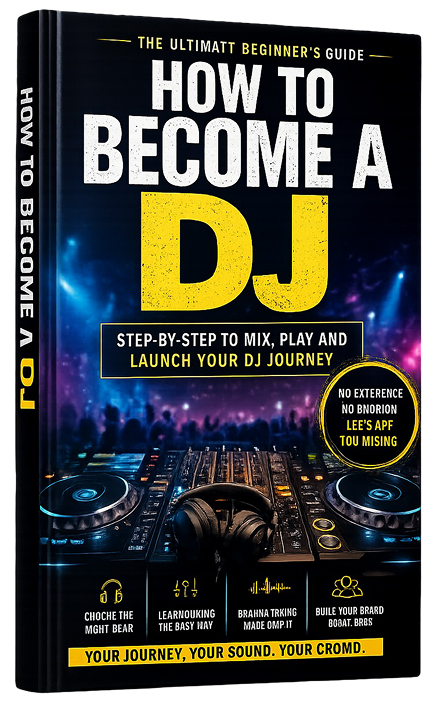
Step by Step to mix, play and launch your DJ journey with confidence.
- Beginner-friendly
- Easy to follow
- Packed with practical tips
 GET YOUR COPY NOW