
DJ Career Path Explained
-
 Jun 22, 2026
 -
 By
Learn How To Be a DJ
By
Learn How To Be a DJ -
 How To Be a DJ
 -
 9 min read
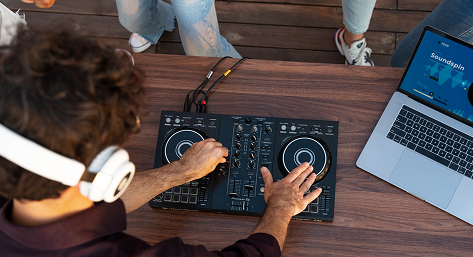
DJ Career Path Explained
If you have ever watched a DJ control a dancefloor and thought, “I’d love to do that,” you are not alone.
Every professional DJ started exactly where you are now. They bought their first controller, struggled through their first mixes, made mistakes and gradually developed the skills and confidence needed to perform in front of real audiences.
The good news is that there is no single route into DJing.
Some DJs perform in clubs. Others specialise in weddings and private events. Some become radio DJs, livestream performers, music producers or festival headliners.
This guide provides a complete DJ Career Path Explained roadmap so you can understand every stage of the journey and choose the direction that suits your goals.
Whether you want to DJ for fun, earn extra income at weekends or build a full-time music career, this article will show you exactly what comes next.
Quick Answer: DJ Career Path Explained
The typical DJ career path starts with learning basic DJ skills, practising regularly, understanding music structure, building a music library, performing at small events, developing a personal brand, gaining paid gigs and eventually specialising in areas such as club DJing, wedding DJing, mobile DJing, radio DJing or music production.
Typical DJ Career Progression
| Stage | Focus |
|---|---|
| Beginner DJ | Learn mixing and equipment |
| Developing DJ | Build music collection and practice |
| First Gigs | House parties and local events |
| Paid DJ | Weddings, bars, private functions |
| Specialist DJ | Club, wedding, mobile or radio DJ |
| Professional DJ | Consistent bookings and reputation |
| Industry Expert | Producer, label owner, educator or festival DJ |
What Does a DJ Actually Do?
Many beginners believe DJs simply play songs.
In reality, professional DJs do much more.
A DJ’s role includes:
- Reading the crowd
- Selecting appropriate music
- Mixing tracks smoothly
- Creating energy and atmosphere
- Managing equipment
- Taking requests when appropriate
- Promoting themselves
- Building professional relationships
The best DJs become experts at understanding people.
Technical skills matter.
However, crowd connection matters even more.
Why DJing Remains a Popular Career Choice
DJing offers flexibility and creativity that many careers cannot match.
Benefits include:
- Flexible working hours
- Creative expression
- Opportunity to travel
- Meeting new people
- Potential additional income
- Possibility of full-time career growth
- Working within the music industry
However, it also comes with challenges.
These include:
- Late nights
- Competition
- Equipment costs
- Self-promotion requirements
- Inconsistent income at the beginning
Understanding both sides helps create realistic expectations.
Stage 1: Learn the Fundamentals of DJing
Understanding Beatmatching
Beatmatching is one of the first skills every DJ learns.
This involves matching the tempo of two songs so they play together smoothly.
Modern DJ software can automate much of this process.
However, understanding the principle remains important.
Popular Beginner DJ Software
| Software | Best For |
|---|---|
| Rekordbox | Club DJs |
| Serato DJ Pro | Open format DJs |
| Virtual DJ | Beginners |
| Traktor Pro | Creative DJs |
| Engine DJ | Standalone systems |
Learning Song Structure
Every DJ should understand:
- Intro
- Verse
- Chorus
- Breakdown
- Build-up
- Drop
- Outro
Recognising these sections helps create smooth transitions.
Learning Basic Mixing Techniques
Early techniques include:
EQ Mixing
Using bass, mids and highs to blend tracks.
Phrase Mixing
Changing songs at natural musical points.
Volume Blending
Creating seamless transitions.
Simple Effects
Using echo, filter and reverb correctly.
Many beginners overuse effects.
Professional DJs generally use them sparingly.
Stage 2: Build Your DJ Setup
You do not need expensive equipment to begin.
Many successful DJs started with entry-level gear.
Beginner DJ Equipment Setup
| Equipment | Approximate Cost |
|---|---|
| DJ Controller | £150–£500 |
| Laptop | Existing laptop often sufficient |
| Headphones | £50–£150 |
| Speakers | £100–£300 |
| DJ Software | Often included |
Recommended Beginner Controllers
Pioneer DJ DDJ-FLX4
Excellent for learning club-style DJing.
Numark Mixtrack Platinum FX
Strong value for money.
Hercules Inpulse 500
Designed specifically for beginners.
Native Instruments Traktor Kontrol S2
Ideal for Traktor users.
Stage 3: Develop Your Music Library
Your music selection becomes your identity.
Two DJs can use identical equipment but sound completely different.
How to Build a Quality DJ Library
Use legitimate sources such as:
- Beatport
- Traxsource
- Amazon Music purchases
- DJ pools
- Bandcamp
- Record stores
Organise music by:
- Genre
- Energy level
- BPM
- Mood
- Event type
This saves enormous amounts of time during performances.
Stage 4: Practise Consistently
How Much Should You Practise?
A realistic target is:
| Experience Level | Weekly Practice |
|---|---|
| Beginner | 5–10 hours |
| Intermediate | 10–15 hours |
| Advanced | 15+ hours |
Consistency beats intensity.
Thirty minutes daily is often better than five hours once per week.
Record Every Practice Session
This is one of the fastest ways to improve.
Listening back reveals:
- Timing issues
- Poor transitions
- Volume inconsistencies
- Missed opportunities
Most professional DJs regularly review their own recordings.
Stage 5: Play Your First Gigs
Where Can Beginners Find Their First DJ Gigs?
Start small.
Many successful DJs begin with:
- House parties
- Family events
- Community events
- School functions
- Charity events
- Local bars
- Student nights
The goal is experience rather than income.
What Should You Charge?
Early on, consider:
Free Gigs
Useful for experience.
Low-Paid Gigs
£50–£150
Developing DJ Rate
£150–£300
Established DJ Rate
£300–£1,000+
Rates vary significantly by location and event type.
Stage 6: Choose Your DJ Specialisation
One of the biggest decisions in the DJ career path is choosing your niche.
Club DJ
Pros
- Exciting atmosphere
- Industry visibility
- Creative freedom
Cons
- Highly competitive
- Late nights
- Often lower initial pay
Wedding DJ
Pros
- High earning potential
- Repeat referrals
- Stable demand
Cons
- Broad music knowledge required
- Greater responsibility
Mobile DJ
Pros
- Diverse events
- Flexible schedule
- Business growth opportunities
Cons
- Equipment transportation
- Setup responsibilities
Radio DJ
Pros
- Strong audience reach
- Personal brand growth
Cons
- Competitive entry routes
Festival DJ
Pros
- Large audiences
- Prestige
Cons
- Difficult to reach initially
- Strong competition
DJ Career Comparison Table
| DJ Type | Income Potential | Competition | Equipment Required |
|---|---|---|---|
| Club DJ | Medium-High | High | Moderate |
| Wedding DJ | High | Medium | High |
| Mobile DJ | High | Medium | High |
| Radio DJ | Medium | High | Low |
| Festival DJ | Very High | Very High | Moderate |
Stage 7: Build Your DJ Brand
Technical ability alone rarely creates a successful career.
People need to know you exist.
Create Professional Social Media Profiles
Focus on:
- TikTok
- YouTube
Share:
- Mixes
- Event clips
- Equipment reviews
- DJ tips
- Behind-the-scenes content
Consistency matters more than perfection.
Create a DJ Website
A professional website should include:
- Biography
- Contact form
- Mixes
- Photos
- Testimonials
- Booking information
A website creates credibility.
Stage 8: Learn Basic Music Production
Not every DJ becomes a producer.
However, production can significantly increase opportunities.
Popular software includes:
- Ableton Live
- FL Studio
- Logic Pro
- Cubase
Producing original music can help:
- Build your reputation
- Secure larger bookings
- Increase streaming revenue
- Attract labels
Stage 9: Network Within the Industry
Relationships often create opportunities.
Attend:
- DJ exhibitions
- Music conferences
- Industry networking events
- Local club nights
Introduce yourself professionally.
Be helpful.
Build genuine connections.
The music industry is surprisingly small.
Stage 10: Turn DJing Into a Business
Professional DJs think like business owners.
Essential Business Skills
Marketing
Generating leads and enquiries.
Sales
Converting enquiries into bookings.
Finance
Managing income and expenses.
Customer Service
Delivering excellent experiences.
Administration
Contracts, invoices and planning.
The most successful DJs combine technical ability with strong business skills.
Common DJ Career Paths
Path 1: Hobby DJ
Learn for enjoyment.
Play occasionally.
No commercial pressure.
Path 2: Side-Hustle DJ
Weekend gigs.
Supplemental income.
Popular among working professionals.
Path 3: Full-Time DJ
Primary source of income.
Requires consistent bookings.
Path 4: DJ Producer
Combines performance with music creation.
Path 5: DJ Educator
Teaching new DJs through:
- Courses
- YouTube
- Coaching
- Ebooks
- Workshops
Common Mistakes Beginners Make
Buying Expensive Equipment Too Early
Skill matters more than gear.
Ignoring Music Knowledge
Music selection always beats technical tricks.
Not Recording Mixes
Feedback drives improvement.
Copying Other DJs
Learn from others.
Do not imitate them.
Develop your own identity.
Focusing Only on Social Media
Social media helps.
Real-world networking still matters.
Expert Tips for Accelerating Your DJ Career
Master One Genre First
Depth beats breadth initially.
Learn Crowd Reading
Crowd reading often separates professionals from amateurs.
Build a Reliable Reputation
Being dependable creates referrals.
Protect Your Hearing
Always use hearing protection.
Never Stop Learning
Technology and trends constantly evolve.
Pros and Cons of Becoming a DJ
Pros
- Creative career
- Flexible lifestyle
- Potentially excellent income
- Meet interesting people
- Travel opportunities
- Personal fulfilment
Cons
- Competitive industry
- Irregular hours
- Equipment costs
- Income fluctuations
- Continuous self-promotion
Frequently Asked Questions
How long does it take to become a professional DJ?
Most people require between one and three years of consistent practice and gig experience before becoming fully professional.
Can I become a DJ without musical training?
Yes. Many successful DJs have no formal musical education.
Is DJing difficult to learn?
The basics are relatively straightforward. Mastery takes time and practice.
How much money do beginner DJs earn?
Many beginner DJs earn between £50 and £200 per event while building experience.
Do I need expensive DJ equipment?
No. Entry-level controllers can provide everything needed for learning.
Which DJ software is best for beginners?
Rekordbox and Serato are excellent choices for beginners.
Can DJing become a full-time career?
Yes. Many DJs earn a full-time living through performances, teaching and production.
Is music production necessary?
No. However, it can help accelerate career growth.
How do DJs get club bookings?
Networking, promotional mixes and building relationships are often key.
What music should a beginner DJ play?
Start with music you genuinely enjoy and understand.
How important is social media for DJs?
It is valuable for visibility but should complement real-world networking.
Can I learn DJing from home?
Absolutely. Many DJs begin entirely from home before performing publicly.
What is the biggest mistake new DJs make?
Focusing on equipment instead of music selection and practice.
How often should I practise DJing?
Aim for at least five hours per week initially.
What is the fastest route to paid gigs?
Building strong local relationships and consistently demonstrating reliability.
Conclusion
Hopefully this DJ Career Path Explained guide has shown that becoming a DJ is not one giant leap. It is a series of small, manageable steps.
Start by learning the fundamentals. Build your music library. Practise regularly. Gain experience through smaller events. Develop your brand. Then choose the DJ path that best suits your ambitions.
Remember, every headline DJ once struggled with their first transition.
The difference is they kept learning.
If you are serious about accelerating your progress, explore the free resources, tutorials and DJ training guides available at LearnHowToBeADJ.com. The right guidance can dramatically shorten your learning curve and help you avoid many of the mistakes that beginners commonly make.
Your DJ journey starts with the next mix.
Keep practising, stay patient and enjoy the process.
Want The Complete Roadmap To Become A DJ?
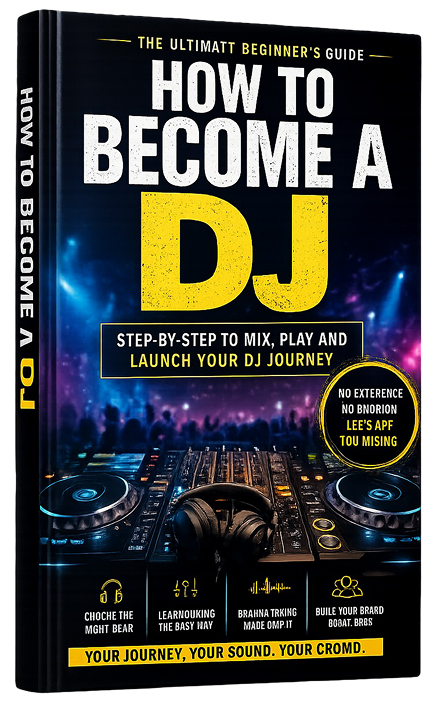
Step by Step to mix, play and launch your DJ journey with confidence.
- Beginner-friendly
- Easy to follow
- Packed with practical tips
 GET YOUR COPY NOW