
Is DJing Hard to Learn?
-
 Jun 22, 2026
 -
 By
Learn How To Be a DJ
By
Learn How To Be a DJ -
 How To Be a DJ
 -
 8 min read
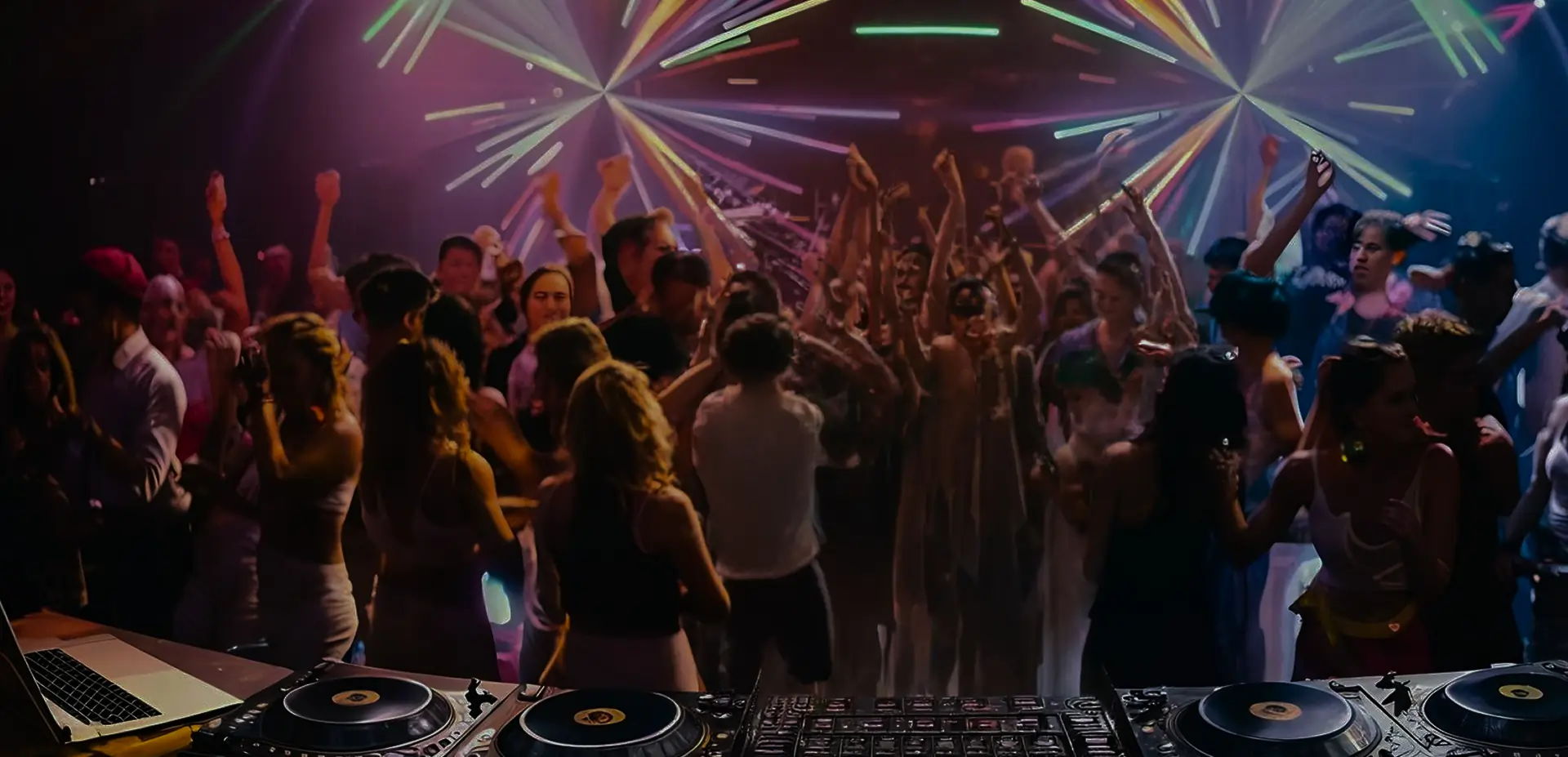
Is DJing Hard to Learn? The Complete Beginner’s Guide
If you have ever watched a DJ perform at a packed club, wedding or festival, you may have wondered:
Is DJing hard to learn?
The short answer is no.
Learning the basics of DJing is not as difficult as many people think. In fact, most beginners can learn fundamental DJ skills within a few weeks. However, becoming a highly skilled DJ who can read crowds, mix seamlessly and create unforgettable experiences takes practice, patience and dedication.
The good news is that modern DJ technology has made learning easier than ever before. Features such as sync buttons, visual waveforms and beginner friendly DJ software allow new DJs to start mixing much faster than previous generations.
In this guide, you will learn exactly how difficult DJing really is, what skills you need, how long it takes to become competent, common mistakes beginners make and the fastest way to improve your DJ skills.
Whether you dream of performing at weddings, private parties, bars, clubs or festivals, this guide will help you understand what to expect on your DJ journey.
Quick Answer
Is DJing Hard to Learn?
| Question | Answer |
|---|---|
| Is DJing hard to learn? | No, the basics are relatively easy to learn. |
| How long to learn basic mixing? | A few days to several weeks. |
| How long to become a good DJ? | Usually 6 to 12 months of regular practice. |
| How long to become a professional DJ? | Often several years. |
| Can beginners learn at home? | Yes. Most DJs start from home. |
| Do you need expensive equipment? | No. Entry level controllers are affordable. |
| Is musical talent required? | No. It helps, but is not essential. |
Featured Snippet Answer
DJing is not hard to learn for most people. Modern DJ equipment and software make it possible to learn basic mixing skills within a few weeks. However, mastering DJing requires practice, music knowledge, crowd reading skills and performance experience.
What Does a DJ Actually Do?
Many beginners think DJing simply involves pressing play on songs.
In reality, DJs perform several important tasks simultaneously.
A DJ must:
- Select suitable music
- Mix tracks smoothly
- Control energy levels
- Read the audience
- Manage equipment
- Solve technical problems
- Create memorable experiences
Think of a DJ as a musical storyteller.
Every song selection influences how people feel and respond.
That responsibility is what makes DJing both exciting and rewarding.
Why DJing Looks Harder Than It Actually Is
One reason many people believe DJing is difficult is because professional DJs make everything look effortless.
When watching an experienced DJ, you might see:
- Fast hand movements
- Multiple screens
- Complex equipment
- Hundreds of buttons
- Large crowds reacting
However, most professional DJs are simply performing a series of skills they have practised thousands of times.
Just as driving a car initially feels overwhelming, DJing becomes increasingly natural through repetition.
What Makes DJing Easy to Learn Today?
Modern Technology Has Changed Everything
Twenty years ago, learning to DJ was significantly harder.
DJs used:
- Vinyl records
- Manual beatmatching
- Limited visual feedback
- Expensive equipment
Today, beginner DJs benefit from technology such as:
Sync Functions
The sync button automatically matches track tempos.
This allows beginners to focus on learning song selection and transitions.
Visual Waveforms
Modern software shows track structures visually.
You can easily identify:
- Beats
- Drops
- Breakdowns
- Vocals
- Mix points
Streaming Integration
Many platforms allow access to millions of songs instantly.
Examples include:
rekordbox
Serato DJ Pro
VirtualDJ
Affordable Controllers
Entry level DJ controllers are more affordable than ever before.
Many excellent beginner controllers cost less than a smartphone.
Which Parts of DJing Are Hard?
Although learning DJing is achievable for most people, certain skills take longer to master.
Reading The Crowd
This is arguably the hardest DJ skill.
Technical mixing can be learned relatively quickly.
Understanding what people want to hear is much more challenging.
Experienced DJs constantly observe:
- Dance floor reactions
- Energy levels
- Age groups
- Musical preferences
- Event atmosphere
A technically perfect DJ can still lose a crowd through poor song choices.
Music Knowledge
Successful DJs usually spend years building their music libraries.
They understand:
- Genres
- Artists
- Remix versions
- Crowd favourites
- Hidden gems
The more music you know, the easier it becomes to create memorable sets.
Smooth Transitions
Mixing songs smoothly requires practice.
Beginners often struggle with:
- Timing
- Volume control
- EQ settings
- Phrase matching
The good news is that these skills improve rapidly with regular practice.
Step By Step: How To Learn DJing Quickly
Step 1: Learn Basic Equipment
Start by understanding:
DJ Controller
Controls your music.
Laptop
Runs DJ software.
Headphones
Allow track preparation.
Speakers
Output the music.
Do not worry about expensive equipment initially.
Learning fundamentals matters more.
Step 2: Learn Track Structure
Most dance music follows predictable patterns.
Learn to identify:
- Intro
- Verse
- Build up
- Drop
- Breakdown
- Outro
Understanding song structure dramatically improves mixing ability.
Step 3: Learn Basic Beatmatching
Beatmatching means aligning two songs so their beats play together.
Modern software can assist with this process.
However, learning manual beatmatching remains valuable.
Step 4: Learn Phrase Mixing
Phrase mixing involves starting the incoming track at the correct musical point.
This creates professional sounding transitions.
Most dance music follows:
- 8 bar phrases
- 16 bar phrases
- 32 bar phrases
Understanding phrases separates beginners from experienced DJs.
Step 5: Record Your Mixes
Recording practice sessions is one of the fastest ways to improve.
You will quickly identify:
- Timing mistakes
- Volume issues
- Poor transitions
- Awkward song selections
How Long Does It Take To Learn DJing?
Typical DJ Learning Timeline
| Time Period | What Most Beginners Can Do |
|---|---|
| 1 Day | Understand equipment basics |
| 1 Week | Perform simple transitions |
| 1 Month | Create basic mixes |
| 3 Months | Mix confidently at home |
| 6 Months | DJ small events |
| 12 Months | Handle many paid gigs |
| 3+ Years | Develop professional expertise |
Everyone learns at different speeds.
Consistency matters more than natural talent.
Can Anyone Learn To DJ?
The answer is almost always yes.
You do not need:
- Musical qualifications
- Formal training
- Expensive gear
- Industry contacts
- Exceptional rhythm
You do need:
- Curiosity
- Patience
- Practice
- Passion for music
Some of the best DJs started with no musical background whatsoever.
Best Beginner DJ Equipment
Budget Beginner Setup
| Equipment | Recommendation |
|---|---|
| Controller | Pioneer DDJ-FLX4 |
| Software | rekordbox |
| Headphones | Pioneer HDJ-CUE1 |
| Speakers | Entry level studio monitors |
This setup is sufficient for learning almost every fundamental DJ skill.
Pros And Cons Of Learning DJing
Pros
Creative Expression
DJing allows you to share your musical taste.
Flexible Career Opportunities
You can perform at:
- Weddings
- Clubs
- Bars
- Festivals
- Corporate events
- Private parties
Fun Hobby
Many people DJ purely for enjoyment.
Potential Income
Experienced DJs can earn substantial fees.
Cons
Equipment Costs
There is some financial investment required.
Practice Commitment
Improvement requires regular practice.
Competition
Many people want to become DJs.
Technical Issues
Equipment occasionally fails.
Good DJs learn troubleshooting skills.
Common Beginner Mistakes
Buying Expensive Equipment Too Early
Many beginners assume better equipment creates better DJs.
It does not.
Skills matter far more.
Ignoring Music Selection
Some beginners focus entirely on technical mixing.
Crowds care far more about song choice.
Practising Infrequently
One hour every day beats seven hours once per week.
Using Effects Excessively
Effects should enhance a mix.
They should never distract from the music.
Not Recording Mixes
Listening back accelerates improvement dramatically.
Expert DJ Tips
Learn One Genre First
Master one style before expanding.
Build Playlists For Different Moods
Organisation saves time during performances.
Watch Professional DJs
Observe their transitions and crowd interaction.
Focus On Song Selection
Track selection wins gigs.
Practice With Purpose
Set specific goals for each session.
Frequently Asked Questions
Is DJing hard to learn for beginners?
No. Most beginners can learn basic DJ skills within a few weeks.
Can I learn DJing without musical talent?
Yes. Passion and practice are more important than natural talent.
How many hours should I practise DJing?
Three to five hours per week is enough for steady improvement.
Is DJ school necessary?
No. Many successful DJs are self taught.
Can I learn DJing online?
Yes. Online tutorials and structured training programmes are excellent resources.
Is DJing easier than producing music?
Generally yes. Music production often has a steeper learning curve.
What age is best to start DJing?
Any age. People successfully learn DJing as teenagers and retirees.
Can I become a DJ in six months?
Many people become competent enough for small events within six months.
Do I need a laptop to DJ?
Most beginners do. Some advanced systems can operate without one.
Is DJing a good side hustle?
Yes. Weddings, parties and corporate events can provide additional income.
Want The Complete Roadmap To Become A DJ?
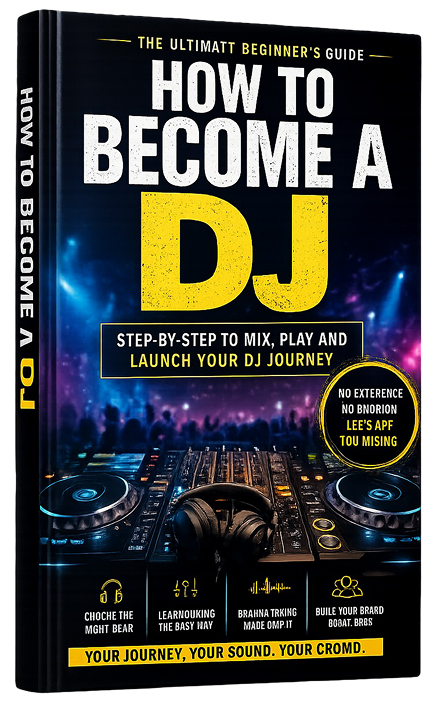
Step by Step to mix, play and launch your DJ journey with confidence.
- Beginner-friendly
- Easy to follow
- Packed with practical tips
 GET YOUR COPY NOW