
How Old Do You Need to Be to DJ
-
 Jun 22, 2026
 -
 By
Learn How To Be a DJ
By
Learn How To Be a DJ -
 How To Be a DJ
 -
 9 min read
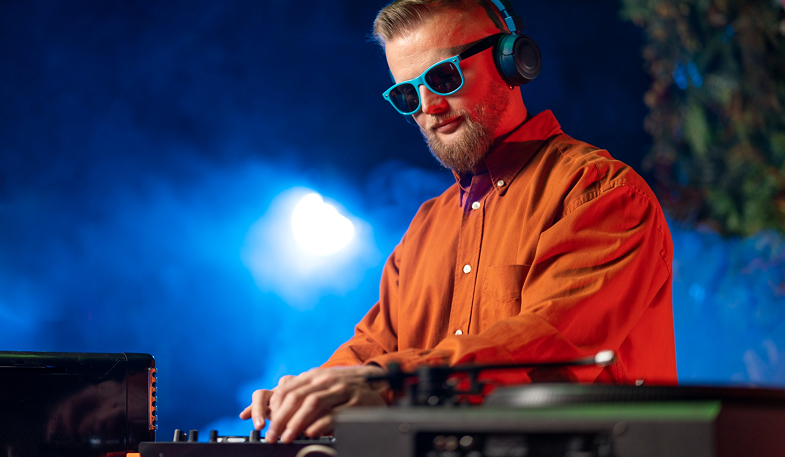
How Old Do You Need to Be to DJ?
Have you ever watched a DJ perform and wondered whether you are old enough to start DJing yourself?
The good news is that there is no official minimum age requirement to learn how to DJ. In fact, many successful DJs started when they were children, long before they were legally old enough to enter a nightclub.
If you are asking How Old Do You Need to Be to DJ, the answer depends on where you want to DJ rather than your ability to learn the skill.
In this guide, you will discover:
- The minimum age for learning to DJ
- Age restrictions for clubs, bars and events
- How young DJs can gain experience
- Equipment recommendations by age group
- Common mistakes young DJs make
- Expert advice from experienced DJs
- Frequently asked questions
Whether you are 10, 15, 25 or 65, DJing is a skill that can be learned at almost any age.
Quick Answer: How Old Do You Need to Be to DJ?
| DJ Activity | Typical Minimum Age |
|---|---|
| Learning to DJ at home | No minimum age |
| DJing family parties | No minimum age |
| School discos | Often any age with permission |
| Private events | Depends on organiser |
| Wedding DJ work | Usually 16+ |
| Mobile DJ business | Usually 16+ with parental support if under 18 |
| Bars and pubs | Often 18+ |
| Nightclubs | Usually 18+ |
| Festivals | Depends on organiser |
Quick Summary:
There is no minimum age to learn DJing. Many DJs begin between the ages of 8 and 15. However, venues that sell alcohol often require DJs to be at least 18 years old due to licensing regulations.
Why There Is No Minimum Age to Learn DJing
Unlike driving a car or applying for a job, DJing is a skill rather than a licensed activity.
If you have access to:
- A DJ controller
- A laptop
- DJ software
- Music
You can begin learning immediately.
Modern technology has made DJing more accessible than ever before.
Years ago, learning to DJ required expensive turntables and crates of vinyl records. Today, beginners can learn using affordable controllers and free software.
This means a motivated 10-year-old can start learning exactly the same fundamental skills as a professional club DJ.
Can Children Become DJs?
Absolutely.
Many famous DJs began at a very young age.
Young DJs often learn:
- Beatmatching
- Mixing
- Music selection
- Performance skills
- Crowd reading
Some children even perform at:
- School events
- Birthday parties
- Community festivals
- Family celebrations
The key factor is not age.
It is enthusiasm and commitment.
Famous DJs Who Started Young
One of the biggest myths in DJing is that you need to wait until adulthood.
Many successful DJs began experimenting with music when they were teenagers or younger.
Examples include:
Martin Garrix
Martin Garrix started producing music as a teenager and became globally recognised before turning 18.
Alan Walker
Alan Walker started creating electronic music while still at school.
Madeon
Madeon gained international attention at a remarkably young age through online performances.
DJ Archie
DJ Archie became famous after performing at festivals while still a child.
These examples demonstrate that age is not a barrier to developing DJ skills.
How Old Do You Need to Be to DJ in a Club?
This is where age restrictions become important.
Most clubs require DJs to be at least 18 years old.
The reason is not the DJ equipment.
The reason is licensing laws.
Nightclubs typically:
- Sell alcohol
- Operate late at night
- Restrict entry to adults
Even if a DJ is talented enough to perform professionally, venue policies may prevent them from working there until they reach legal age.
How Old Do You Need to Be to DJ at Weddings?
Wedding DJ opportunities can often begin earlier than club work.
Many mobile DJs start helping established DJs during their teenage years.
Common starting points include:
- Setting up equipment
- Assisting with lighting
- Learning microphone techniques
- Managing playlists
Some young DJs begin taking bookings independently from age 16 onwards, particularly with parental support.
Can You Make Money as a Young DJ?
Yes.
There are several ways younger DJs can earn income.
Birthday Parties
Parents frequently hire young DJs for children’s parties.
School Events
School discos can provide valuable experience.
Community Events
Local fairs and community celebrations often welcome young talent.
Online DJ Streaming
Platforms allow DJs to build audiences without needing access to physical venues.
Content Creation
Many young DJs create:
- YouTube videos
- TikTok clips
- Instagram content
- DJ tutorials
Building an online audience can eventually create income opportunities.
Best Age to Start Learning DJing
The truth is that there is no perfect age.
However, different age groups often have different advantages.
Ages 8 to 12
Advantages:
- Learn quickly
- Develop musical ear early
- Plenty of time to practise
Challenges:
- Limited budget
- Less access to live gigs
Ages 13 to 17
Advantages:
- Fast learning ability
- School events available
- Time to build experience
Challenges:
- Club restrictions
- Limited transport
Ages 18 to 25
Advantages:
- Access to venues
- Greater independence
- Easier networking
Challenges:
- Balancing study or work
Ages 25 and Over
Advantages:
- More disposable income
- Better business skills
- Greater confidence
Challenges:
- Less free time
Is It Too Late to Become a DJ?
One of the most common questions I hear from beginners is:
“I am 30, 40 or 50 years old. Is it too late?”
Absolutely not.
DJing is one of the few creative skills where age matters very little.
Many successful wedding DJs, mobile DJs and radio DJs start later in life.
In fact, maturity often helps because older beginners usually:
- Understand music better
- Communicate more effectively
- Manage customers professionally
- Handle business responsibilities well
If you love music, you can start today.
Equipment Recommendations by Age
Choosing the right equipment can make learning easier.
Beginner Under 12
| Equipment | Recommendation |
|---|---|
| Controller | Hercules DJControl Inpulse 200 |
| Software | Serato Lite |
| Headphones | Basic DJ headphones |
| Speakers | Small monitor speakers |
Teen Beginner
| Equipment | Recommendation |
|---|---|
| Controller | Pioneer DDJ-FLX4 |
| Software | Rekordbox |
| Headphones | Pioneer HDJ-CUE1 |
| Speakers | Entry level studio monitors |
Serious Beginner
| Equipment | Recommendation |
|---|---|
| Controller | Pioneer DDJ-FLX6 |
| Software | Rekordbox |
| Headphones | Professional DJ headphones |
| Speakers | Studio monitor pair |
Step-by-Step Guide for Young DJs
Step 1: Learn Music Structure
Understand:
- Beats
- Bars
- Phrases
- Song arrangements
This is the foundation of all DJing.
Step 2: Learn Beatmatching
Beatmatching helps songs play smoothly together.
Modern software can assist, but understanding the basics is essential.
Step 3: Build Playlists
Organise music by:
- Genre
- Mood
- Energy level
- Event type
Step 4: Practise Daily
Even 20 minutes per day can make a huge difference.
Consistency beats occasional marathon sessions.
Step 5: Record Your Mixes
Listening back helps identify mistakes.
Many beginners improve dramatically by reviewing recordings.
Step 6: Perform for Others
Start with:
- Family
- Friends
- School events
Confidence grows through experience.
Pros and Cons of Starting DJing Young
Pros
✓ More time to develop skills
✓ Builds confidence
✓ Creates future career opportunities
✓ Develops musical knowledge
✓ Encourages creativity
✓ Can generate income
✓ Improves public speaking skills
Cons
✗ Limited access to clubs
✗ Equipment costs money
✗ Less networking access
✗ Transport challenges
✗ School commitments
Common Mistakes Young DJs Make
Focusing Only on Equipment
Expensive gear does not make a great DJ.
Skill always matters more.
Ignoring Music Knowledge
Knowing songs is often more important than knowing buttons.
Copying Other DJs
Learn from others but develop your own style.
Relying on Sync Too Much
Sync is useful.
Understanding beatmatching is better.
Not Practising Consistently
Regular practice produces results faster than occasional sessions.
Expert Tips from an Experienced DJ
After many years of DJing, performing and teaching beginners, these are the tips that make the biggest difference.
Focus on Song Selection
Crowds remember great music.
They rarely remember technical tricks.
Learn the Basics Properly
Strong foundations make advanced techniques easier later.
Record Everything
Recording your practice sessions speeds up improvement.
Build a Diverse Music Library
The best DJs understand many genres.
Stay Patient
Every professional DJ was once a beginner.
Improvement takes time.
How Parents Can Support a Young DJ
Parents play a huge role in helping young DJs succeed.
Ways to help include:
- Providing practice space
- Encouraging creativity
- Attending performances
- Helping transport equipment
- Supporting learning resources
Most importantly, encourage regular practice.
What Skills Do DJs Need Besides Mixing?
Great DJs develop many skills beyond mixing.
These include:
- Confidence
- Communication
- Organisation
- Marketing
- Networking
- Customer service
- Music knowledge
These skills often become valuable throughout life.
The Future of DJing for Young People
DJing has never been more accessible.
Today, aspiring DJs can:
- Learn online
- Watch tutorials
- Join communities
- Stream performances
- Build audiences globally
A teenager with a controller and internet connection now has opportunities that professional DJs could only dream about twenty years ago.
Frequently Asked Questions
How old do you need to be to DJ?
There is no minimum age to learn DJing. Venue restrictions usually determine when you can perform professionally.
Can a 10-year-old learn to DJ?
Yes. Many children successfully learn DJing from age 8 or younger.
Can a 12-year-old become a DJ?
Absolutely. Twelve is an excellent age to begin developing DJ skills.
Can a 13-year-old DJ at parties?
In many cases yes, particularly private parties and family events.
Can a 14-year-old DJ professionally?
Some young DJs perform professionally at private events, although restrictions may apply.
Can a 15-year-old DJ at weddings?
Potentially, especially when assisting established DJs or working with parental support.
Can a 16-year-old DJ in clubs?
Usually not. Most clubs require DJs to be at least 18.
Why do clubs require DJs to be 18?
Licensing laws, alcohol sales and venue policies typically require adult performers.
Can I become a DJ at 30?
Yes. Many successful DJs start well beyond their twenties.
Can I become a DJ at 40?
Absolutely. DJing is open to people of all ages.
Can I become a DJ at 50?
Yes. Experience and musical knowledge often become major advantages.
Is DJing a good hobby for teenagers?
Yes. It develops creativity, confidence and technical skills.
How much does beginner DJ equipment cost?
A good starter setup can cost between £200 and £500.
Can DJing become a career?
Yes. Many DJs earn income through weddings, events, clubs, streaming and content creation.
What is the best age to start DJing?
There is no best age. The best age is simply the age you start.
Conclusion
So, How Old Do You Need to Be to DJ?
The simple answer is that you can start learning at almost any age. Whether you are a child, teenager or adult, DJing is a skill that rewards passion, dedication and practice.
While clubs and licensed venues often require DJs to be 18 or older, there is nothing stopping you from learning the craft much earlier. Many of today’s successful DJs began their journey in bedrooms, school halls and family parties long before they stepped into professional venues.
If you are serious about becoming a DJ, start with the basics, practise consistently and focus on building your music knowledge. Most importantly, enjoy the journey.
For more beginner-friendly DJ tutorials, equipment guides and professional advice, visit LearnHowToBeADJ.com and continue building your DJ skills today.
Want The Complete Roadmap To Become A DJ?
Step by Step to mix, play and launch your DJ journey with confidence.
- Beginner-friendly
- Easy to follow
- Packed with practical tips
 GET YOUR COPY NOW