
How Long Does It Take to Learn DJing
-
 Jun 22, 2026
 -
 By
Learn How To Be a DJ
By
Learn How To Be a DJ -
 How To Be a DJ
 -
 8 min read
How Long Does It Take to Learn DJing in 2026?
If you have ever watched a DJ perform and thought, “I would love to do that,” you are not alone.
One of the first questions beginners ask is:
How long does it take to learn DJing?
The honest answer is that it depends on your goals, commitment and practice routine.
If your aim is simply to mix a few songs together at home, you could learn the basics within a few weeks.
If you want to perform confidently at weddings, private events or clubs, expect several months of focused learning and practice.
For those wondering how to become a DJ in 2026, the good news is that modern technology has made the learning process faster and more accessible than ever before.
In this guide, I will walk you through realistic learning timelines, common challenges, equipment recommendations, expert tips and a step by step roadmap to becoming a confident DJ.
Quick Answer
How Long Does It Take to Learn DJing?
| DJ Goal | Estimated Time |
|---|---|
| Learn basic mixing | 2 to 4 weeks |
| Perform a small house party | 1 to 3 months |
| Become a competent mobile DJ | 3 to 6 months |
| Play weddings confidently | 6 to 12 months |
| Club DJ level | 1 to 2 years |
| Professional touring DJ | Several years |
The speed of learning depends largely on:
- Practice frequency
- Music knowledge
- Equipment used
- Quality of training
- Confidence performing in public
Many beginners can achieve basic DJ skills within their first month when following a structured learning plan.
Why Learning DJing Is Faster Than Ever
Twenty years ago, learning to DJ often required expensive vinyl turntables, crates of records and finding an experienced mentor.
Today, aspiring DJs can learn using:
- DJ controllers
- Laptop software
- Online tutorials
- Digital music libraries
- Structured DJ courses
- Ebooks and guides
This means the path to how to become a DJ in 2026 is far more accessible than it has ever been.
What Skills Do DJs Need to Learn?
Before discussing timelines, it helps to understand what DJing actually involves.
Many beginners think DJing is simply pressing play.
In reality, there are several important skills.
Beatmatching
Matching the tempo of two tracks.
Traditionally done manually.
Modern software can assist, but understanding beatmatching remains important.
Phrase Matching
Knowing when to introduce the next track.
This creates smooth transitions.
EQ Mixing
Balancing bass, mids and highs during transitions.
Music Selection
Arguably the most important skill.
A technically perfect mix means little if the crowd dislikes the music.
Reading the Crowd
Understanding what people want to hear.
This often takes years to master.
Microphone Skills
Especially important for:
- Wedding DJs
- Mobile DJs
- Corporate DJs
Equipment Knowledge
Understanding how to operate:
- Controllers
- Mixers
- CDJs
- Speakers
- Microphones
How Long Does Each DJ Skill Take to Learn?
Learning the Basics
Typical Time: 2 to 4 Weeks
Most beginners can learn:
- Cueing tracks
- Loading music
- Basic transitions
- Using headphones
- Basic software navigation
Within a few weeks of regular practice.
Learning Smooth Mixing
Typical Time: 1 to 3 Months
This stage includes:
- Beatmatching
- Phrase matching
- EQ transitions
- Mixing different genres
This is where many beginners start sounding like real DJs.
Building Confidence
Typical Time: 3 to 6 Months
Technical skills improve quickly.
Confidence often takes longer.
This involves:
- Recording mixes
- Playing for friends
- Live streaming
- Taking small bookings
Learning Crowd Reading
Typical Time: Ongoing
No course can fully teach crowd psychology.
This develops through:
- Experience
- Observation
- Trial and error
Even experienced DJs continue improving this skill.
A Realistic DJ Learning Timeline
Month 1
Focus on:
- Learning equipment
- Basic transitions
- Song structure
- Building playlists
Goal:
Mix two songs together smoothly.
Months 2 to 3
Focus on:
- Beatmatching
- EQ mixing
- Recording mixes
- Genre exploration
Goal:
Create a 30 minute mix.
Months 4 to 6
Focus on:
- Longer mixes
- Performance confidence
- Music organisation
- Taking feedback
Goal:
Play a house party confidently.
Months 6 to 12
Focus on:
- Advanced transitions
- Event preparation
- Public performances
- Building a DJ brand
Goal:
Take paid bookings.
Year 2 and Beyond
Focus on:
- Specialisation
- Marketing
- Networking
- Production
- Residency opportunities
Goal:
Develop a professional DJ career.
What Equipment Helps You Learn Faster?
Beginner DJ Controllers
| Controller | Skill Level | Approx Cost |
|---|---|---|
| Pioneer DDJ-FLX4 | Beginner | £250 to £350 |
| Numark Mixtrack Platinum FX | Beginner | £250 to £350 |
| Hercules Inpulse 500 | Beginner | £250 to £350 |
| Pioneer DDJ-REV1 | Beginner | £250 to £350 |
These controllers provide everything needed to learn fundamental skills.
DJ Software Comparison
| Software | Best For |
|---|---|
| Rekordbox | Club DJs |
| Serato DJ Pro | Open format DJs |
| Virtual DJ | Beginners |
| Traktor Pro | Creative DJs |
For most beginners in 2026, Rekordbox and Serato remain excellent choices.
How Much Practice Do You Need?
Practice frequency dramatically affects progress.
Casual Learner
2 hours per week
Expected progress:
6 to 12 months
Dedicated Beginner
5 hours per week
Expected progress:
3 to 6 months
Highly Motivated DJ
10+ hours per week
Expected progress:
2 to 4 months
Consistency beats occasional marathon sessions.
Practising for 30 minutes every day is often more effective than five hours once a week.
Common Mistakes That Slow Down Learning
Buying Expensive Gear Too Early
Many beginners think professional equipment will make them better DJs.
It will not.
Skill matters more than equipment.
Ignoring Music Selection
Great DJs understand music.
Spend time listening to tracks.
Study song structure.
Build playlists.
Watching Too Many Tutorials
Tutorials are useful.
However, practice is where improvement happens.
Comparing Yourself to Professionals
Remember:
Many professional DJs have spent thousands of hours behind the decks.
Focus on your own progress.
Not Recording Mixes
Recording allows you to:
- Identify mistakes
- Track improvement
- Build confidence
Pros and Cons of Learning DJing
Pros
✓ Fun and rewarding
✓ Creative outlet
✓ Potential side income
✓ Social opportunities
✓ Transferable performance skills
✓ Accessible learning resources
✓ Flexible career options
Cons
✗ Equipment costs
✗ Requires regular practice
✗ Learning curve can be frustrating
✗ Building confidence takes time
✗ Crowds can be unpredictable
Expert Tips From a Long-Term DJ
After nearly three decades involved in DJing and the music industry, I have noticed several patterns among successful beginners.
Focus on Song Selection First
Crowds remember great music.
They rarely remember perfect technical transitions.
Master the Basics
Do not rush into advanced tricks.
Strong foundations create strong DJs.
Build Small Wins
Celebrate:
- First smooth mix
- First recorded set
- First live stream
- First booking
Every milestone matters.
Learn Your Equipment Thoroughly
Knowing your controller inside out will dramatically improve confidence.
Play for Real People
Eventually you must leave the bedroom.
Real audiences teach lessons that practice sessions cannot.
What Is the Fastest Way to Learn DJing?
If your goal is to accelerate progress:
Step 1
Choose one controller.
Step 2
Choose one software platform.
Step 3
Practise daily.
Step 4
Follow a structured learning programme.
Step 5
Record every practice session.
Step 6
Review mistakes.
Step 7
Play for friends.
Step 8
Take small opportunities to perform.
Following this process can dramatically shorten the learning curve.
How to Become a DJ in 2026: Complete Beginner Roadmap
Stage 1: Learn the Fundamentals
Weeks 1 to 4
- Equipment setup
- Track loading
- Cue points
- Basic transitions
Stage 2: Develop Mixing Skills
Months 1 to 3
- Beatmatching
- EQ control
- Phrasing
Stage 3: Build Music Knowledge
Months 2 to 6
- Genre understanding
- Playlist creation
- Track organisation
Stage 4: Start Performing
Months 3 to 12
- House parties
- Family events
- Live streams
Stage 5: Develop Your Brand
Year 1 onwards
- Social media
- Website
- DJ logo
- Networking
Frequently Asked Questions
Can I learn DJing in one month?
Yes. You can learn basic mixing skills within one month with consistent practice.
How many hours should I practise DJing?
Aim for at least three to five hours per week.
Daily practice is even better.
Is DJing difficult to learn?
The basics are relatively easy.
Mastering crowd reading and performance takes longer.
Can I teach myself to DJ?
Absolutely.
Many successful DJs are self taught.
Structured guidance simply speeds up progress.
What is the best DJ controller for beginners?
The Pioneer DDJ-FLX4 is currently one of the best beginner controllers available.
Do I need expensive equipment?
No.
A modest beginner setup is sufficient.
How long before I can get paid DJ gigs?
Many DJs start earning within six to twelve months.
Is DJing a good side hustle?
Yes.
Mobile DJs, wedding DJs and event DJs often generate useful additional income.
Can I learn DJing without music theory?
Yes.
Although understanding musical structure helps significantly.
Do club DJs and wedding DJs need different skills?
Yes.
Wedding DJs require microphone and event management skills.
Club DJs focus more on programming and mixing.
How long does it take to master DJing?
Mastery is a lifelong journey.
Even professional DJs continue learning.
Is DJing worth learning in 2026?
Absolutely.
Demand remains strong across weddings, private events, bars, clubs and online platforms.
Conclusion
So, how long does it take to learn DJing?
Most people can learn basic DJ skills within a few weeks.
Many can perform confidently at parties within a few months.
However, becoming a truly skilled DJ takes ongoing practice, experience and dedication.
The journey to how to become a DJ in 2026 is more accessible than ever before. With affordable equipment, powerful software and quality training resources, there has never been a better time to start.
The key is simple:
Start small.
Practise consistently.
Focus on music.
Enjoy the process.
Every professional DJ started exactly where you are now.
If you are serious about accelerating your progress, explore the tutorials, guides and beginner resources available at LearnHowToBeADJ.com and take the next step towards becoming the DJ you want to be.
Want The Complete Roadmap To Become A DJ?
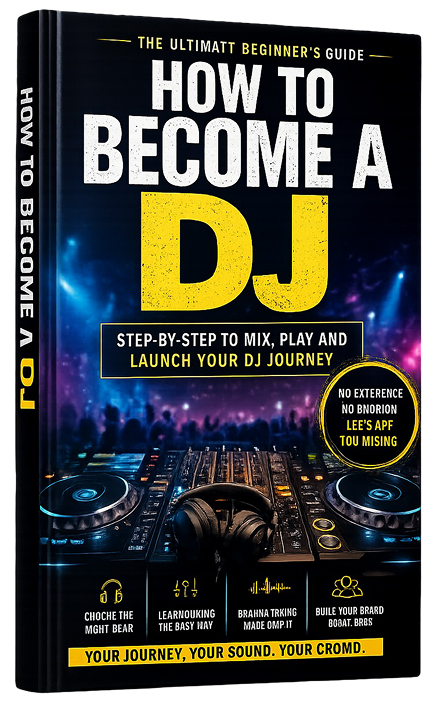
Step by Step to mix, play and launch your DJ journey with confidence.
- Beginner-friendly
- Easy to follow
- Packed with practical tips
 GET YOUR COPY NOW