
How to Become a DJ
-
 Jun 22, 2026
 -
 By
Learn How To Be a DJ
By
Learn How To Be a DJ -
 How To Be a DJ
 -
 9 min read
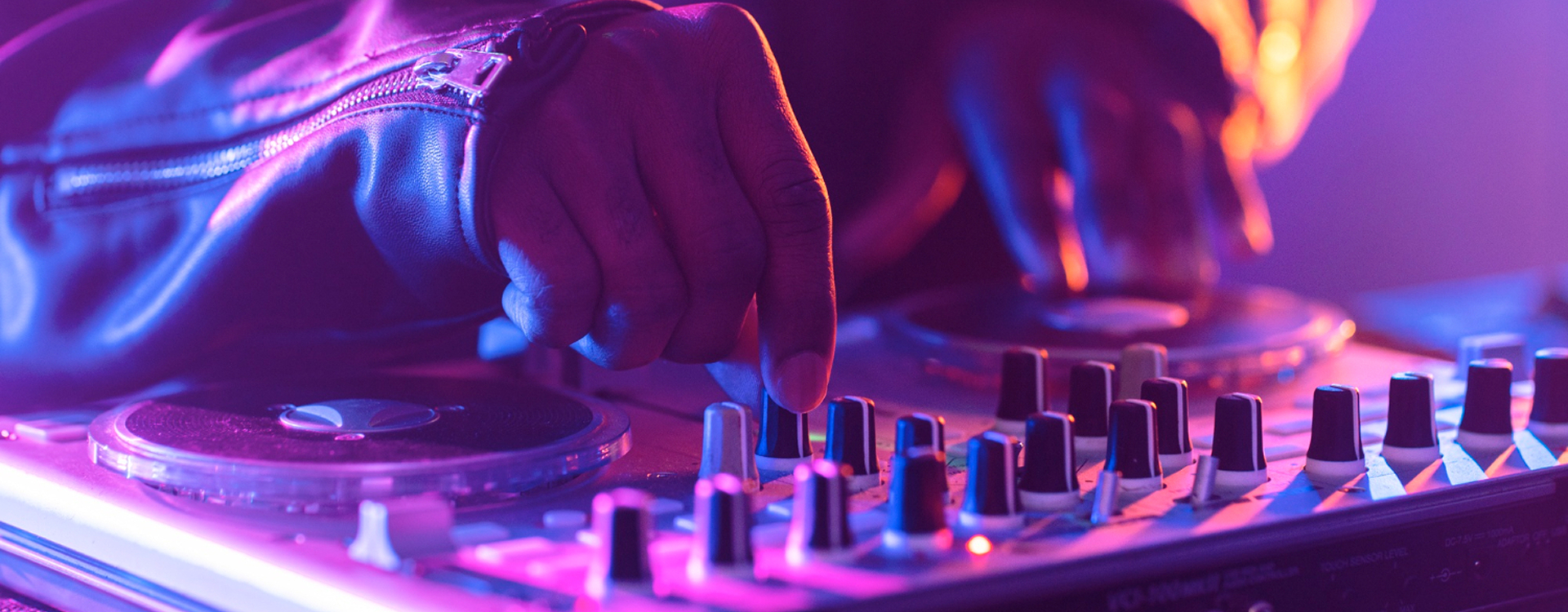
How to Become a DJ in 2026: The Complete Beginner Guide
Have you ever watched a DJ perform and thought, “I would love to do that”?
The good news is that learning how to DJ has never been more accessible than it is today. Modern technology means you can start learning from home with relatively little equipment and begin building skills that could eventually lead to club gigs, weddings, private events, online streams or even a full time career.
If you are wondering how to become a DJ in 2026, this guide will walk you through everything you need to know. From choosing your first equipment and learning basic mixing techniques to finding your first audience and getting paid gigs, this article covers the complete journey.
Whether you dream of performing in nightclubs, entertaining wedding guests or simply mixing music for fun, this guide will help you get started with confidence.
Quick Answer: How to Become a DJ in 2026
To become a DJ in 2026:
- Choose a DJ style and genre.
- Learn basic DJ skills such as beatmatching and phrasing.
- Get beginner friendly DJ equipment.
- Learn DJ software such as Rekordbox, Serato or VirtualDJ.
- Build and organise your music library.
- Practise regularly.
- Record mixes and share them online.
- Build your personal DJ brand.
- Network with other DJs and promoters.
- Start performing at small events and grow your experience.
Consistent practice and patience are more important than expensive equipment.
What Does a DJ Actually Do?
Many beginners believe DJs simply press play.
In reality, professional DJs perform several important tasks:
Selecting Music
The best DJs understand how to choose the right music for the audience.
Mixing Tracks
DJs blend songs together smoothly using techniques such as:
- Beatmatching
- Phrasing
- EQ mixing
- Volume control
Reading the Crowd
One of the most important DJ skills is understanding what the audience wants to hear.
Creating an Experience
Great DJs take people on a journey through music rather than simply playing random songs.
Why 2026 Is a Great Time to Become a DJ
The DJ industry continues to evolve.
Today there are more opportunities than ever before.
Benefits of Becoming a DJ
| Benefit | Description |
|---|---|
| Creative Expression | Share your musical taste |
| Flexible Career | Work part time or full time |
| Extra Income | Earn from gigs and events |
| Travel Opportunities | Perform in different locations |
| Networking | Meet people in music and entertainment |
| Personal Development | Build confidence and communication skills |
Choosing Your DJ Path
Not all DJs do the same thing.
Understanding the different DJ types will help you decide your direction.
Club DJ
Club DJs perform in:
- Nightclubs
- Bars
- Festivals
- Music venues
Pros
- Exciting atmosphere
- Potential recognition
- Creative freedom
Cons
- Late nights
- Competitive industry
Mobile DJ
Mobile DJs perform at:
- Weddings
- Birthdays
- Corporate events
- Private parties
Pros
- Reliable income
- Regular bookings
Cons
- More equipment required
- Transportation costs
Radio DJ
Radio DJs present music programmes and entertain listeners.
Pros
- Broadcasting experience
- Industry exposure
Cons
- Limited live audience interaction
Online DJ
Online DJs stream on platforms such as:
- YouTube
- Twitch
- TikTok
- Mixcloud
Pros
- Global audience
- Low startup costs
Cons
- High competition
What Equipment Do You Need to Become a DJ in 2026?
One of the biggest beginner questions is:
“What equipment should I buy first?”
The answer depends on your budget.
Beginner DJ Setup
| Equipment | Approximate Cost |
|---|---|
| Laptop | £300 to £1,000 |
| DJ Controller | £150 to £500 |
| Headphones | £50 to £200 |
| Speakers | £100 to £500 |
| Music Subscription | £10 to £30 per month |
Best Beginner DJ Controllers
Pioneer DJ DDJ-FLX4
Ideal for complete beginners.
Advantages
- User friendly
- Compatible with Rekordbox
- Compatible with Serato
Disadvantages
- Limited advanced features
Numark Mixtrack Platinum FX
Excellent value for money.
Advantages
- Large jog wheels
- Good effects section
Disadvantages
- Plastic construction
Hercules Inpulse 500
Designed specifically for beginners.
Advantages
- Built in learning features
- Affordable
Disadvantages
- Less common in clubs
Which DJ Software Should You Learn?
Software is the heart of modern DJing.
Rekordbox
Popular among club DJs.
Best For
- Club DJs
- Festival DJs
Strengths
- Industry standard preparation software
- Compatible with Pioneer equipment
Serato DJ Pro
Widely used worldwide.
Best For
- Open format DJs
- Mobile DJs
Strengths
- Excellent performance reliability
VirtualDJ
Highly versatile software.
Best For
- Beginners
- Mobile DJs
Strengths
- Huge feature set
Essential DJ Skills Every Beginner Must Learn
Beatmatching
Beatmatching means matching the tempo of two songs.
This creates smooth transitions.
Phrasing
Music is organised into phrases.
Mixing at the correct phrase point creates professional sounding transitions.
EQ Mixing
DJ mixers allow adjustment of:
- Bass
- Mid frequencies
- High frequencies
Proper EQ control prevents tracks from clashing.
Gain Staging
Volume control matters.
A distorted mix sounds unprofessional.
Always keep levels balanced.
Track Selection
The best DJs often succeed because of music selection rather than technical tricks.
Great song choice beats fancy effects every time.
How to Build Your Music Library
Your music collection is your toolkit.
Sources of Music
DJ Pools
Examples include:
- BPM Supreme
- DJcity
- ZipDJ
Online Stores
- Beatport
- Traxsource
- Amazon Music Downloads
Streaming Services
Many DJ platforms now support streaming integration.
How Much Does It Cost to Become a DJ?
Budget Setup
| Item | Cost |
|---|---|
| Controller | £200 |
| Headphones | £75 |
| Speakers | £150 |
| Music | £25 |
| Total | Around £450 |
Mid Range Setup
| Item | Cost |
|---|---|
| Controller | £600 |
| Headphones | £150 |
| Speakers | £400 |
| Music | £50 |
| Total | Around £1,200 |
Professional Setup
| Item | Cost |
|---|---|
| Club Standard Gear | £2,000+ |
| Professional Speakers | £1,000+ |
| Music Library | Ongoing |
| Total | £3,000+ |
Remember, expensive equipment does not automatically make someone a better DJ.
How Long Does It Take to Learn DJing?
Everyone learns differently.
A realistic timeline:
| Time Period | Progress |
|---|---|
| 1 Month | Basic mixing |
| 3 Months | Smooth transitions |
| 6 Months | Recording mixes |
| 12 Months | First public gigs |
| 2 Years | Strong confidence |
Consistency is key.
How to Practise DJing Effectively
Create a Routine
Aim for:
- 30 to 60 minutes daily
- Focused practice
- Specific goals
Record Yourself
Listening back highlights:
- Timing mistakes
- Volume issues
- Weak transitions
Practise Different Genres
This improves versatility.
Even if you specialise in one genre, understanding others helps develop your skills.
Building Your DJ Brand
In 2026, being a great DJ is not enough.
People need to discover you.
Choose a DJ Name
Keep it:
- Memorable
- Easy to spell
- Unique
Create Social Media Profiles
Focus on:
- TikTok
- YouTube
Build a Website
A professional website helps establish credibility.
Include:
- Biography
- Mixes
- Photos
- Contact details
How to Get Your First DJ Gig
Start Small
Opportunities include:
- House parties
- Community events
- Charity events
- Family celebrations
Network
Many DJ opportunities come through relationships.
Connect with:
- Venue owners
- Promoters
- Event organisers
- Other DJs
Share Mixes Online
Regular uploads demonstrate your abilities.
Common Beginner DJ Mistakes
Buying Expensive Gear Too Soon
Master basic equipment first.
Using Too Many Effects
Effects should enhance music, not distract from it.
Ignoring Music Selection
Track choice remains the most important DJ skill.
Not Recording Practice Sessions
Recording accelerates improvement.
Comparing Yourself to Professionals
Every expert was once a beginner.
Focus on your own progress.
Pros and Cons of Becoming a DJ
Pros
- Creative outlet
- Flexible lifestyle
- Additional income opportunities
- Social experiences
- Potential travel opportunities
- Continuous learning
Cons
- Equipment costs
- Competitive industry
- Late working hours
- Physical transportation of equipment
- Irregular income initially
Expert Tips From an Experienced DJ
Having spent many years around DJs, clubs, events and music professionals, several patterns consistently emerge among successful DJs.
Focus on Music First
The audience remembers songs more than technical tricks.
Learn Your Equipment Thoroughly
Know every button before upgrading.
Build Relationships
Many gigs come through trust rather than talent alone.
Stay Humble
The music industry is smaller than you think.
Keep Learning
Technology changes constantly.
The best DJs remain students throughout their careers.
What Does Success Look Like as a DJ?
Success means different things to different people.
For some, it means:
- Playing local clubs
For others:
- Running a successful wedding DJ business
Or:
- Performing internationally
Or simply:
- Enjoying music as a hobby
Define success based on your own goals.
Frequently Asked Questions
How do I become a DJ in 2026 with no experience?
Start with beginner equipment, learn DJ software, practise regularly and build experience through small events.
Can I become a DJ without expensive equipment?
Yes. Many successful DJs started with entry level controllers and headphones.
What is the best DJ software for beginners?
Rekordbox, Serato and VirtualDJ are all excellent options.
How much money can a beginner DJ earn?
This varies widely. Some beginner DJs earn £50 per event while experienced DJs may earn hundreds or thousands per booking.
How many hours should I practise DJing?
Aim for at least 30 minutes per day.
Is DJing difficult to learn?
The basics are relatively easy. Mastering crowd reading and music programming takes longer.
Do I need a laptop to DJ?
Most beginners use a laptop, although standalone systems are becoming more common.
What music should I play as a beginner DJ?
Choose genres you genuinely enjoy and understand.
How long before I can play my first gig?
Many beginners are ready within six to twelve months of consistent practice.
Can I learn DJing online?
Yes. Online courses, videos and structured guides make learning easier than ever.
Is DJing still a good career in 2026?
Yes. There remains strong demand for skilled DJs in weddings, events, clubs and online platforms.
What is beatmatching?
Beatmatching is aligning the tempo of two songs to create smooth transitions.
Should I learn vinyl DJing?
Learning vinyl can improve foundational skills, although it is not essential for most beginners.
What is the best DJ controller for beginners?
The Pioneer DJ DDJ-FLX4 is currently one of the most recommended beginner controllers.
Can I become a professional DJ from home?
Yes. Many professional DJs began by learning and building audiences from home.
Conclusion
If you are wondering how to become a DJ in 2026, the most important thing to remember is that every successful DJ started exactly where you are now.
You do not need the most expensive equipment.
You do not need industry connections.
You do not need years of musical training.
What you do need is enthusiasm, patience and consistent practice.
Start with the basics. Learn your equipment. Build a quality music collection. Practise regularly. Record your progress. Share your mixes. Build relationships.
Most importantly, enjoy the journey.
DJing is one of the most rewarding creative skills you can learn. Whether your goal is to perform at festivals, weddings, clubs or simply entertain friends, the opportunities are there for anyone willing to put in the effort.
For more beginner friendly DJ tutorials, equipment reviews, training guides and expert advice, explore the growing resources available at LearnHowToBeADJ.com.
Want The Complete Roadmap To Become A DJ?
Step by Step to mix, play and launch your DJ journey with confidence.
- Beginner-friendly
- Easy to follow
- Packed with practical tips
 GET YOUR COPY NOW