
How to Create a Playlist
-
 Jun 22, 2026
 -
 By
Learn How To Be a DJ
By
Learn How To Be a DJ -
 How To Be a DJ
 -
 10 min read
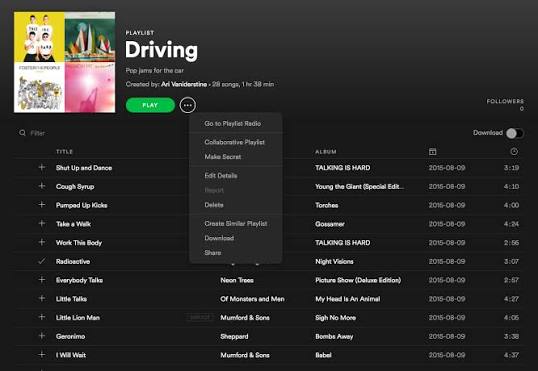
How to Create a Playlist: The Complete DJ Guide
Creating a great playlist is one of the most important skills any DJ can learn.
In fact, before you learn beatmatching, scratching or advanced mixing techniques, you need to understand how to create a playlist that keeps people engaged from beginning to end.
Whether you are preparing for a house party, wedding, club set, radio show, livestream or simply organising your music collection, knowing how to create a playlist properly will make you a better DJ.
A well-built playlist tells a story. It takes listeners on a journey. It creates emotion, builds energy and keeps people coming back for more.
In this guide, you will learn exactly how to create a playlist like a professional DJ, including song selection, playlist structure, energy management, common mistakes and expert tips used by experienced DJs worldwide.
Quick Answer: How to Create a Playlist
To create a playlist:
- Define the purpose of the playlist.
- Identify your audience.
- Choose an appropriate music genre or theme.
- Select songs that fit the mood.
- Arrange tracks in a logical order.
- Control the energy flow from start to finish.
- Remove weak or repetitive songs.
- Test the playlist and make adjustments.
Professional DJs focus on storytelling, energy progression and audience engagement rather than simply adding random songs together.
What Is a Playlist?
A playlist is a curated collection of songs arranged in a specific order to achieve a particular purpose or listening experience.
For DJs, playlists are much more than a simple list of songs.
A playlist becomes:
- A performance plan
- A backup set list
- A mood creator
- A crowd management tool
- A music discovery system
Great playlists can make average DJs sound organised and professional.
Poor playlists can empty a dancefloor in minutes.
Why Learning How to Create a Playlist Matters
Many beginner DJs spend hundreds or even thousands of pounds on equipment.
Yet they overlook the most important part:
The music.
The world’s best DJ equipment cannot compensate for poor song selection.
Experienced DJs understand that crowds remember:
- Great songs
- Great moments
- Great energy
They rarely remember technical mixing tricks.
This is why learning how to create a playlist should be a priority for every DJ.
How to Create a Playlist Step by Step
Step 1: Define the Purpose of Your Playlist
Before selecting a single track, ask yourself:
Why am I creating this playlist?
Different situations require different approaches.
| Playlist Type | Purpose |
|---|---|
| Wedding | Entertain multiple age groups |
| Club Set | Keep people dancing |
| Gym Playlist | Increase motivation |
| Lounge Playlist | Create atmosphere |
| Road Trip Playlist | Maintain enjoyment over long periods |
| Radio Show | Showcase music and personality |
The clearer your goal, the easier playlist creation becomes.
Step 2: Identify Your Audience
Professional DJs always think about the audience first.
Ask:
- How old are they?
- What genres do they enjoy?
- What is the event type?
- What time of day is it?
- What energy level is required?
Wedding DJ Example
A wedding playlist might include:
- Motown classics
- 80s hits
- 90s dance music
- Current chart songs
Club DJ Example
A club playlist may focus entirely on:
- House
- Tech House
- Drum and Bass
- Commercial Dance
The audience determines the music.
Step 3: Choose a Theme
The strongest playlists often have a clear theme.
Theme Ideas
- Summer party
- Ibiza anthems
- Old school house
- Vocal trance
- Wedding classics
- Deep house sunset session
- Club warm-up
- Peak-time dancefloor
Themes help maintain consistency.
Without a theme, playlists often feel random and disconnected.
How Many Songs Should Be in a Playlist?
This depends on the purpose.
| Playlist Length | Recommended Songs |
|---|---|
| 30 Minutes | 8–12 Songs |
| 1 Hour | 15–25 Songs |
| 2 Hours | 30–50 Songs |
| 4 Hours | 60–100 Songs |
| Wedding Reception | 100–300 Songs |
Professional DJs usually prepare significantly more music than they expect to play.
It is always better to have too many songs than too few.
How to Select Songs for Your Playlist
Focus on Quality Over Quantity
One of the biggest beginner mistakes is adding every song they like.
Instead, ask:
- Does this song fit the theme?
- Does it improve the playlist?
- Would I play it in front of an audience?
If the answer is no, remove it.
Every song should earn its place.
Mix Familiar and Fresh Tracks
A great playlist balances:
Familiar Songs
These provide comfort and recognition.
New Discoveries
These create excitement and originality.
Too many popular songs can feel predictable.
Too many unknown songs can lose the audience.
Balance is key.
Consider Tempo and BPM
BPM means Beats Per Minute.
It measures song speed.
Examples:
| Genre | Typical BPM |
|---|---|
| Hip Hop | 70–100 |
| Pop | 100–130 |
| House | 120–130 |
| Tech House | 124–128 |
| Trance | 130–140 |
| Drum and Bass | 170–180 |
Grouping similar BPM ranges often creates smoother transitions.
How to Arrange Songs in the Correct Order
Think Like a Storyteller
Every great playlist tells a story.
Imagine:
Beginning → Middle → Climax → Ending
This structure keeps listeners engaged.
Opening Section
Start strong but not at maximum energy.
Your opening songs should:
- Capture attention
- Establish mood
- Set expectations
Avoid using your biggest tracks immediately.
Build Energy Gradually
As the playlist progresses:
- Increase tempo
- Increase intensity
- Introduce stronger tracks
Listeners should feel momentum building naturally.
Peak Time Section
This is where your biggest songs belong.
Examples:
- Dancefloor fillers
- Festival anthems
- Crowd favourites
These tracks create memorable moments.
Closing Section
Every playlist needs a satisfying ending.
Good closing songs:
- Reduce energy smoothly
- Leave a lasting impression
- Create emotional connection
Never allow the playlist to simply stop abruptly.
Playlist Energy Management
Understanding Energy Levels
Professional DJs often rate songs from 1 to 10.
Example:
| Energy Rating | Description |
|---|---|
| 1–3 | Relaxed |
| 4–5 | Warm-up |
| 6–7 | Active |
| 8–9 | Peak Time |
| 10 | Maximum Impact |
Arrange songs to create natural progression.
Avoid sudden jumps from level 3 to level 10.
Best Software for Creating DJ Playlists
Rekordbox
Popular with Pioneer DJ users.
Advantages:
- Playlist organisation
- USB export
- Cue points
- Beat grids
Best for:
- Club DJs
- Pioneer users
Serato DJ Pro
Excellent playlist management.
Advantages:
- Smart crates
- Reliable performance
- Easy organisation
Best for:
- Mobile DJs
- Open-format DJs
Engine DJ
Used with Denon DJ equipment.
Advantages:
- Fast playlist creation
- Streaming integration
- Standalone workflow
Best for:
- Denon DJs
VirtualDJ
Flexible and beginner friendly.
Advantages:
- Easy learning curve
- Extensive features
- Excellent organisation tools
Best for:
- Beginner DJs
Playlist Software Comparison
| Feature | Rekordbox | Serato | Engine DJ | VirtualDJ |
|---|---|---|---|---|
| Playlist Management | Excellent | Excellent | Very Good | Excellent |
| USB Export | Excellent | Good | Excellent | Good |
| Beginner Friendly | Good | Very Good | Good | Excellent |
| Club Standard | Excellent | Very Good | Good | Good |
| Streaming Support | Good | Good | Excellent | Excellent |
Pros and Cons of Planning a Playlist
Pros
✔ Better organisation
✔ Less stress during performances
✔ Improved music flow
✔ Faster preparation
✔ More professional performances
✔ Better crowd response
Cons
✘ Can become too rigid
✘ May reduce spontaneity
✘ Requires preparation time
✘ Needs regular updates
Common Playlist Mistakes DJs Make
Adding Too Many Songs
Large playlists become difficult to manage.
Be selective.
Ignoring Energy Flow
Random energy changes confuse listeners.
Create smooth progression.
Repeating Similar Songs
Ten songs with identical sounds become boring.
Introduce variety.
Following Personal Taste Only
Remember:
The audience comes first.
Your favourite song may not suit the crowd.
Not Updating Playlists
Music evolves constantly.
Review playlists regularly.
How Professional DJs Organise Playlists
Experienced DJs rarely use one giant playlist.
Instead they create folders such as:
Warm-Up
Low-energy tracks.
Build-Up
Increasing energy.
Peak-Time
Dancefloor weapons.
Closing
End-of-night songs.
Classics
Reliable crowd favourites.
Requests
Popular requests and sing-alongs.
This system provides flexibility during performances.
Expert DJ Tips for Creating Better Playlists
Use the 80/20 Rule
80% proven songs.
20% experimentation.
This keeps playlists fresh without becoming risky.
Keep Notes
Record:
- Crowd reactions
- Successful transitions
- Popular tracks
This helps improve future playlists.
Test Playlists at Home
Listen from start to finish.
Ask yourself:
Does the flow feel natural?
Would I enjoy this journey?
Remove Weak Tracks
If a song consistently feels out of place, remove it.
Professional DJs are ruthless editors.
Create Multiple Versions
Maintain:
- Short version
- Extended version
- Backup version
This increases flexibility.
Learn Music Structure
Understanding:
- Intro
- Verse
- Chorus
- Breakdown
- Drop
helps create smoother transitions.
Real World Example: Building a One Hour House Music Playlist
Opening (0–15 Minutes)
- Deep House Track 1
- Deep House Track 2
- Vocal House Track 1
- Groove House Track 1
Energy: 4–5
Build-Up (15–40 Minutes)
- Vocal House Track 2
- House Anthem 1
- Tech House Track 1
- Tech House Track 2
Energy: 6–8
Peak Time (40–55 Minutes)
- Club Anthem 1
- Club Anthem 2
- Festival Favourite
Energy: 9–10
Closing (55–60 Minutes)
- Vocal Classic
- Emotional House Track
Energy: 5–6
This structure creates a complete musical journey.
Frequently Asked Questions
How do DJs create playlists?
DJs create playlists by defining an audience, selecting suitable songs, organising tracks by energy level and arranging them into a logical musical journey.
How many songs should I put in a playlist?
Prepare more songs than you think you need. For a one-hour set, 15–25 songs is typically sufficient.
Should I sort songs by BPM?
BPM can help with mixing, but mood and energy are often more important than speed alone.
What is the best playlist software for DJs?
Rekordbox, Serato DJ Pro, Engine DJ and VirtualDJ are among the most popular options.
How often should I update playlists?
Review playlists monthly and after every performance.
Should beginner DJs use playlists?
Yes. Playlists help beginners stay organised and improve confidence.
Can I use streaming services for DJ playlists?
Many DJ platforms support streaming services, but downloaded music provides greater reliability during performances.
What makes a playlist engaging?
Strong song selection, smooth energy progression, variety and audience awareness.
Should I plan every song in advance?
Not necessarily. Many DJs plan a structure but remain flexible.
What is the biggest playlist mistake?
Ignoring the audience and focusing solely on personal preferences.
How do wedding DJs build playlists?
Wedding DJs often combine classics, sing-alongs, chart hits and requests to appeal to multiple generations.
How long should a DJ playlist be?
Always prepare more music than required. Running out of songs is far worse than having too many options.
Can playlists improve DJ performances?
Absolutely. Better preparation often leads to better performances and greater confidence.
FAQ Schema Style Questions
- How do I create a playlist for DJing?
- What is the best way to organise a DJ playlist?
- How many songs should be in a DJ playlist?
- Should playlists be organised by BPM?
- What software do DJs use to create playlists?
- How do professional DJs structure playlists?
- What are the biggest playlist mistakes beginners make?
- How often should a playlist be updated?
- How do wedding DJs build playlists?
- Can playlists improve DJ mixing skills?
- How do I organise music for a club set?
- What is the ideal playlist length for a DJ set?
- How do DJs manage energy levels in playlists?
- Should I use streaming services for DJ playlists?
- What makes a playlist memorable?
Conclusion
Learning how to create a playlist is one of the most valuable skills any DJ can develop.
The best playlists are not random collections of songs. They are carefully crafted musical journeys that guide listeners through different moods, emotions and energy levels.
Start by understanding your audience. Choose the right music. Organise songs logically. Build energy gradually and always leave room for flexibility.
Most importantly, remember that great DJs are not defined by expensive equipment. They are defined by great music selection.
If you want to continue improving your DJ skills, explore more tutorials, guides and resources at LearnHowToBeADJ.com and take the next step towards becoming a confident and professional DJ.
Want The Complete Roadmap To Become A DJ?
Step by Step to mix, play and launch your DJ journey with confidence.
- Beginner-friendly
- Easy to follow
- Packed with practical tips
 GET YOUR COPY NOW