
How Old Should You Be to Start DJing
-
 Jun 28, 2026
 -
 By
Learn How To Be a DJ
By
Learn How To Be a DJ -
 Gear Reviews
 -
 8 min read

How Old Should You Be to Start DJing?
Have you ever wondered how old should you be to start DJing? The simple answer is that there is no perfect age. Whether you are six years old, sixteen, thirty or even sixty, you can learn to DJ and enjoy a rewarding journey through music.
Some of the world’s biggest DJs started as children, while others discovered DJing much later in life. What matters most is your passion for music, willingness to practise and desire to entertain others.
In this guide you will learn the best age to begin DJing, what equipment is suitable for different age groups, how to develop your skills and what realistic expectations you should have as you progress.
Quick Answer
There is no minimum or maximum age to start DJing.
Many children begin learning between the ages of 7 and 12 using beginner controllers, while teenagers often develop quickly because they have more independence and access to events. Adults of any age can also become excellent DJs because maturity, organisation and life experience often help them learn efficiently.
The best age to start DJing is simply the age you decide to begin.
Why There Is No Perfect Age to Start DJing
Unlike some activities that require physical strength or athletic ability, DJing is based on skills that anyone can learn.
These include:
- Musical knowledge
- Beatmatching
- Song selection
- Timing
- Reading an audience
- Creativity
- Confidence
- Practice
These skills improve with experience rather than age.
Many professional DJs continue performing well into their sixties and seventies.
Age Guide for Learning DJing
| Age | Is it a Good Time to Start? | Main Advantages |
|---|---|---|
| 5 to 7 | Yes with supervision | Fun introduction to music |
| 8 to 12 | Excellent | Learns technology quickly |
| 13 to 17 | Outstanding | Plenty of time to practise |
| 18 to 25 | Excellent | Access to clubs and events |
| 26 to 40 | Excellent | Financial stability and maturity |
| 40+ | Excellent | Better organisation and patience |
The table shows that every age offers different advantages.
Can Children Learn to DJ?
Absolutely
Children often surprise parents by how quickly they understand DJ equipment.
Modern DJ controllers are designed to be intuitive and visual.
Many young DJs learn by:
- Watching YouTube tutorials
- Taking DJ lessons
- Copying favourite DJs
- Mixing popular songs
- Practising at home
Learning DJing also develops:
- Musical awareness
- Confidence
- Creativity
- Hand eye coordination
- Listening skills
- Patience
Many parents see DJing as a positive hobby because it combines music with technology.
What Age Do Professional DJs Usually Start?
There is no standard answer.
Some examples include:
- Started at age 8
- Started at age 12
- Started in secondary school
- Started while at university
- Started after changing careers
The common factor is not age.
It is consistency.
Professional DJs usually spend years improving before becoming successful.
Is It Too Late to Become a DJ?
Not at all.
One of the biggest myths in DJing is that you have to start young.
Many successful mobile DJs, wedding DJs and corporate DJs began in their thirties or forties.
Adults often learn faster because they usually have:
- Better discipline
- More disposable income
- Better time management
- Clearer goals
- More confidence
In fact, many people start DJing after discovering a lifelong love of music.
What Equipment Should Beginners Use?
Choosing the right equipment is far more important than worrying about your age.
Beginner Equipment Comparison
| Equipment | Suitable Age | Why It Works |
| Entry level DJ controller | All ages | Affordable and easy to learn |
| Laptop | All ages | Runs DJ software |
| Headphones | All ages | Essential for cueing |
| Small speakers | Home practice | Clear sound |
| Streaming music subscription | Teenagers and adults | Access to huge music libraries |
You do not need expensive club equipment to begin learning.
Many professional DJs started with very basic setups.
Step by Step Guide to Starting DJing
Step 1
Choose music you genuinely enjoy.
Passion makes learning much easier.
Step 2
Buy an affordable beginner DJ controller.
Avoid spending thousands before learning the basics.
Step 3
Install beginner friendly DJ software.
Spend time understanding the interface.
Step 4
Learn to beatmatch.
This is one of the most valuable DJ skills.
Step 5
Learn smooth transitions.
Focus on making songs flow naturally.
Step 6
Practise regularly.
Even twenty minutes every day is better than one long session every month.
Step 7
Record your mixes.
Listening back helps you improve much faster.
What Skills Matter More Than Age?
Music Selection
Playing the right songs at the right time is often more important than complicated mixing.
Reading the Crowd
Understanding what people want to hear is a skill developed through experience.
Timing
Knowing when to mix creates professional sounding sets.
Confidence
Confident DJs usually create more enjoyable performances.
Preparation
Organised playlists make performances much smoother.
Advantages of Starting Young
Starting young offers several benefits.
More Time to Improve
Young DJs can develop skills over many years.
Technology Feels Natural
Children often learn new technology very quickly.
Creative Freedom
Young learners are usually fearless when experimenting.
Building Confidence Early
Performing in front of friends or family builds valuable confidence.
Advantages of Starting Later
Adults enjoy many advantages too.
Better Financial Resources
Quality equipment becomes easier to purchase.
Clear Goals
Adults often know exactly why they want to learn.
Greater Patience
Learning becomes less frustrating.
Stronger Professional Skills
Organisation and communication help when getting bookings.
Pros and Cons of Starting at Different Ages
Pros
- No upper age limit
- Fun hobby
- Improves musical knowledge
- Builds confidence
- Can become a career
- Suitable for all experience levels
- Encourages creativity
Cons
- Equipment costs money
- Requires regular practice
- Progress varies between individuals
- Performing publicly can feel intimidating initially
Common Mistakes Beginners Make
Many new DJs make similar mistakes regardless of age.
Buying Expensive Equipment Too Soon
Start simple.
Upgrade later.
Focusing Only on Effects
Fancy effects never replace good song selection.
Ignoring Music Structure
Understanding intros, verses and breakdowns makes mixing easier.
Comparing Yourself to Professionals
Every experienced DJ was once a beginner.
Practising Inconsistently
Regular practice always beats occasional marathon sessions.
Expert Tips from an Experienced DJ
Having spent many years behind the decks, one lesson stands out above all others.
The DJs who improve the fastest are not necessarily the youngest or the most naturally talented.
They are simply the ones who keep practising.
A few additional tips include:
- Listen to music every day.
- Build playlists for different moods.
- Learn one new technique each week.
- Record every practice session.
- Accept mistakes as part of learning.
- Focus on entertaining people rather than impressing other DJs.
- Keep your music library organised.
- Enjoy the journey.
Does Age Affect DJ Career Opportunities?
Not as much as people think.
Clients booking:
- Weddings
- Corporate events
- Birthday parties
- Bars
- Private events
generally care more about:
- Reliability
- Professionalism
- Music knowledge
- Good communication
- Consistent performances
For club DJs, talent and networking usually matter far more than age.
Frequently Asked Questions
How old should you be to start DJing?
You can start DJing at almost any age. Children, teenagers, adults and retirees can all learn successfully.
Can a seven year old learn to DJ?
Yes. With suitable beginner equipment and adult supervision, many children quickly learn basic mixing techniques.
Is fourteen a good age to start DJing?
Yes. Fourteen is an excellent age because young people often learn technology quickly while having plenty of time to practise.
Can I become a DJ at thirty?
Absolutely. Many successful DJs begin in adulthood and build rewarding careers.
Is forty too old to learn DJing?
Not at all. Plenty of mobile and wedding DJs start later in life.
How long does it take to become a good DJ?
Most beginners become comfortable after several months of regular practice. Becoming highly skilled usually takes years of experience.
Do I need musical talent?
No. A passion for music and consistent practice are far more important.
Is expensive equipment necessary?
No. Entry level DJ controllers are more than capable of teaching all the essential skills.
Can children perform at events?
Yes, although local laws, venue policies and safeguarding requirements must always be followed. Young DJs often begin by performing at school events, family parties or community functions.
What is the best first step?
Choose beginner friendly equipment, learn the basics and practise consistently while enjoying the process.
Feature Image Suggestion
Royalty Free Image
A smiling young DJ wearing headphones while learning on a beginner DJ controller at home, with a laptop and speakers in a bright modern room.
Suggested Alt Text
“Young beginner learning how old should you be to start DJing using a beginner DJ controller”
Internal Link
For more beginner guides, equipment reviews, DJ tutorials and practical advice, visit:
https://www.learnhowtobeadj.com/
Conclusion
If you have been asking how old should you be to start DJing, the answer is refreshingly simple. There is no ideal age and there is certainly no age limit.
Children benefit from learning technology early, teenagers often progress quickly, and adults bring maturity, patience and life experience to the decks. Success in DJing is determined far more by your enthusiasm, dedication and willingness to practise than by the year you were born.
The best time to begin is today. Start with affordable equipment, enjoy learning your favourite music and build your skills one mix at a time. Every professional DJ started as a beginner, and your journey can begin with a single track.
If you are ready to take the next step, explore the tutorials, equipment guides and expert resources available at LearnHowToBeADJ.com and continue building the confidence and skills needed to become the DJ you aspire to be.
Want The Complete Roadmap To Become A DJ?
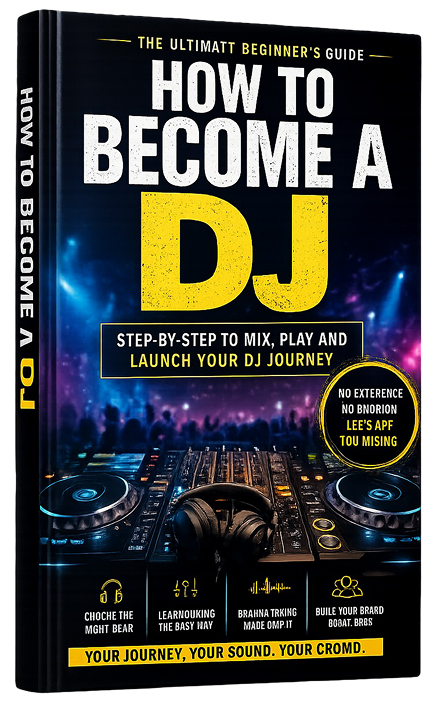
Step by Step to mix, play and launch your DJ journey with confidence.
- Beginner-friendly
- Easy to follow
- Packed with practical tips
 GET YOUR COPY NOW