
How to Be a DJ for Beginners
-
 Jun 28, 2026
 -
 By
Learn How To Be a DJ
By
Learn How To Be a DJ -
 Gear Reviews
 -
 7 min read
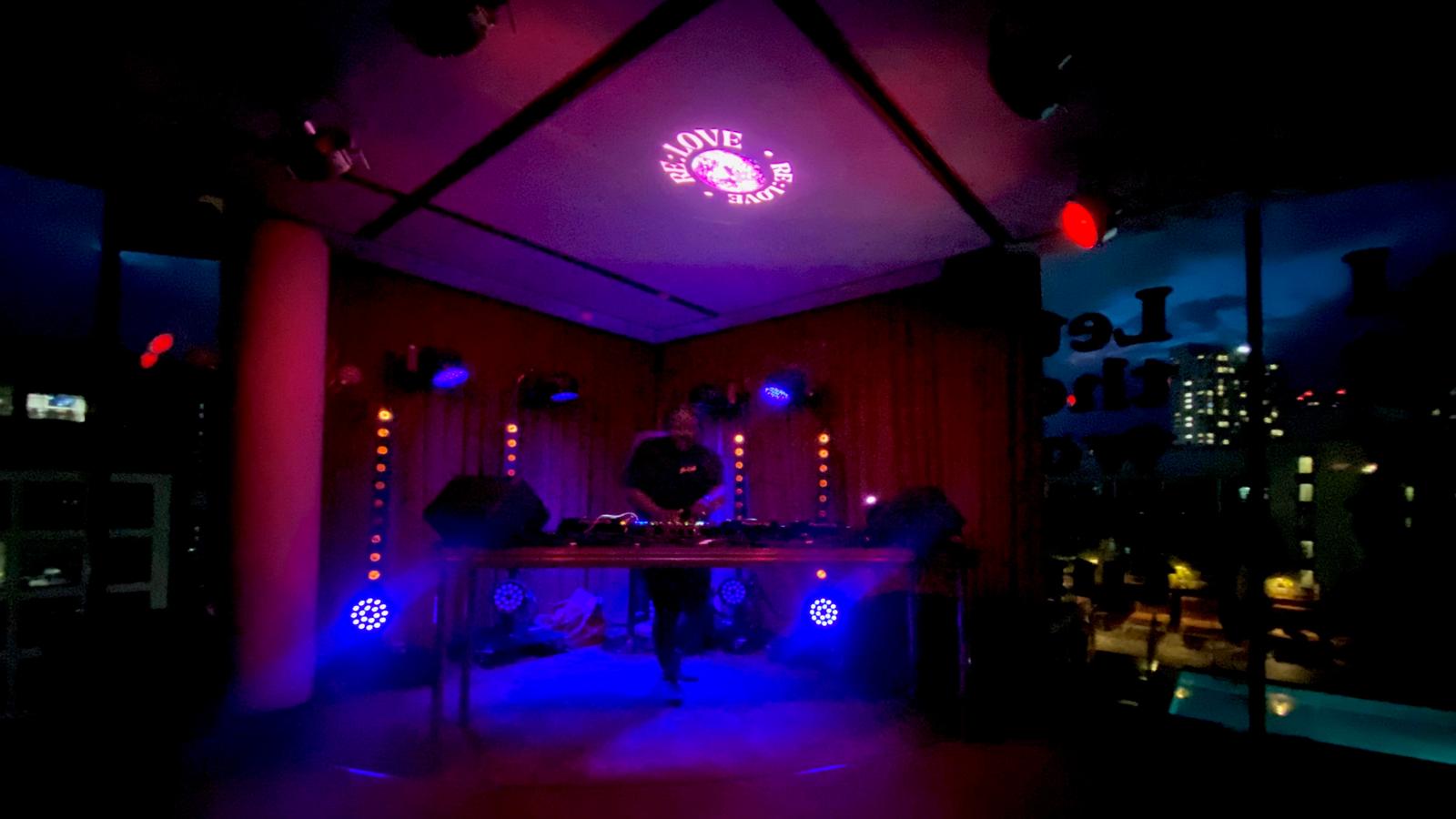
How to Be a DJ for Beginners
Learning how to become a DJ is one of the most rewarding musical journeys you can take. Whether your dream is to play in clubs, perform at weddings, entertain at parties or simply mix your favourite tracks at home, every successful DJ started exactly where you are now.
If you are searching for how to be a DJ for beginners, you have come to the right place.
This guide explains everything you need to know in simple language. You will learn what equipment to buy, how to mix music, how to practise effectively and how to build the confidence needed to perform in front of an audience.
At LearnHowToBeADJ.com, we have helped countless beginners take their first steps into DJing, and this guide is designed to save you time, money and frustration.
Quick Answer
To become a DJ as a beginner:
- Learn the basics of beatmatching and mixing.
- Buy beginner friendly DJ equipment.
- Learn DJ software.
- Practise every week.
- Build playlists.
- Record your mixes.
- Learn to read a crowd.
- Play for family and friends.
- Promote yourself online.
- Keep improving your skills.
Consistency matters far more than expensive equipment.
Why Become a DJ?
DJing is about much more than playing songs.
A great DJ creates energy.
They understand people.
They know how to build excitement.
They make unforgettable memories.
Whether you want a career or simply a fun hobby, DJing develops musical knowledge, confidence and creativity.
What Does a DJ Actually Do?
Many beginners think DJs simply press play.
The reality is very different.
A professional DJ:
- Chooses music carefully
- Reads the crowd
- Mixes tracks smoothly
- Controls energy levels
- Uses effects creatively
- Takes requests where appropriate
- Solves technical problems
- Keeps people dancing
Learning these skills takes practice, but anyone can do it.
Step 1: Learn the Different Types of DJs
Before buying equipment, decide which type of DJ interests you.
| DJ Type | Typical Venue | Skills Required |
|---|---|---|
| Club DJ | Nightclubs | Beatmatching, transitions |
| Mobile DJ | Weddings, birthdays | Reading crowds, microphone skills |
| Festival DJ | Large outdoor events | Performance, music programming |
| Radio DJ | Radio stations | Presenting, music knowledge |
| Scratch DJ | Competitions | Turntablism and scratching |
| Lounge DJ | Restaurants and hotels | Relaxed music selection |
Many successful DJs perform in more than one area.
Step 2: Buy Beginner DJ Equipment
One of the biggest mistakes beginners make is spending thousands of pounds immediately.
You do not need professional club equipment to start learning.
Recommended Beginner Setup
| Equipment | Why You Need It |
| DJ Controller | Controls your music |
| Laptop | Runs DJ software |
| Headphones | Cue tracks before mixing |
| Speakers | Hear your mix clearly |
| Music Library | Essential for practising |
Recommended Beginner DJ Controllers
Excellent beginner options include:
• Pioneer DJ DDJ FLX4
• AlphaTheta DDJ FLX2
• Hercules DJControl Inpulse 300 MK2
• Numark Mixtrack Platinum FX
• Numark Party Mix Live
Each provides excellent value while teaching professional techniques.
Step 3: Learn DJ Software
Modern DJs use software to organise and mix music.
Popular choices include:
• rekordbox
• Serato DJ Lite
• Serato DJ Pro
• VirtualDJ
• djay Pro
• Engine DJ
Each has strengths, but rekordbox and Serato remain two of the most popular among beginners.
Step 4: Build Your Music Library
Music selection is often more important than technical ability.
Choose music you genuinely enjoy.
Organise tracks by:
- Genre
- BPM
- Energy level
- Mood
- Decade
- Event type
Good organisation saves valuable time during performances.
Step 5: Learn Beatmatching
Beatmatching means matching the speed of two songs so they play together smoothly.
Although modern controllers include Sync buttons, understanding manual beatmatching remains one of the most valuable DJ skills.
Practise with similar tempo songs before progressing to more challenging mixes.
Step 6: Learn Smooth Transitions
A transition is how one song changes into another.
Popular beginner transitions include:
Fade Transition
Simple and ideal for beginners.
EQ Mixing
Gradually swap bass frequencies.
Phrase Mixing
Change tracks every 16 or 32 beats.
Echo Out
Finish one song with an echo effect before introducing the next.
Master these before attempting complex tricks.
Step 7: Practise Regularly
Improvement comes through repetition.
A realistic practice schedule could look like this.
| Day | Practice |
| Monday | Beatmatching |
| Tuesday | EQ Mixing |
| Wednesday | Playlist building |
| Thursday | Recording mixes |
| Friday | Effects |
| Saturday | Full DJ set |
| Sunday | Listen back and improve |
One hour every day produces excellent results.
Step 8: Learn to Read the Crowd
This separates good DJs from great DJs.
Watch how people respond.
Notice:
- Dancing
- Singing
- Leaving the dance floor
- Requesting songs
Adjust your music accordingly.
Never become so focused on your equipment that you ignore the audience.
Step 9: Record Every Mix
Recording yourself is one of the fastest ways to improve.
Listen for:
- Timing mistakes
- Volume differences
- Poor transitions
- Incorrect EQ
- Track selection
Even experienced DJs still record their sets.
Step 10: Start Playing in Front of People
Confidence grows with experience.
Good places to start include:
- House parties
- Family events
- School functions
- Charity events
- Community events
- Livestreams
Every performance teaches valuable lessons.
Essential DJ Equipment Comparison
| Equipment | Beginner | Intermediate | Professional |
| Controller | Entry level | Four channel | Club standard |
| Laptop | Basic specification | Faster processor | High performance |
| Speakers | Active monitors | PA speakers | Professional PA |
| Headphones | Closed back | Studio quality | Professional DJ headphones |
Advantages of Learning to DJ
Pros
- Creative hobby
- Flexible career opportunities
- Meet new people
- Develop confidence
- Learn music theory naturally
- Potential to earn additional income
- Suitable for almost any age
Cons
- Equipment can be expensive
- Requires regular practice
- Building bookings takes time
- Weekend work is common
- Carrying equipment can be demanding
Common Beginner DJ Mistakes
Avoid these mistakes.
Buying expensive equipment too early
Expensive gear will not make you a better DJ.
Playing only favourite songs
Always think about your audience.
Ignoring phrasing
Songs should change naturally.
Using too many effects
Less is usually more.
Practising inconsistently
Small daily sessions beat occasional long sessions.
Poor music organisation
Organised libraries reduce stress during performances.
Expert Tips from Years Behind the Decks
After many years of DJing, these lessons remain true.
Learn your music
Knowing every track is more valuable than owning thousands.
Keep practising transitions
Simple transitions performed well always sound professional.
Listen to experienced DJs
Study how professionals structure their sets.
Record everything
You will hear mistakes that are impossible to notice while performing.
Focus on entertaining people
The audience remembers how they felt, not which effects you used.
Build confidence gradually
Every successful DJ started with their first mix.
Frequently Asked Questions
How long does it take to learn DJing?
Most beginners become comfortable mixing basic tracks within two to three months of regular practice.
Can I become a DJ without expensive equipment?
Yes. Many excellent beginner controllers cost far less than professional club equipment.
Is DJing difficult?
The basics are surprisingly straightforward. Becoming truly excellent takes dedication and consistent practice.
What music should beginners mix?
Choose music you genuinely enjoy. Familiar songs make learning easier.
Do DJs still need to beatmatch manually?
Yes. Although Sync is useful, understanding manual beatmatching develops stronger DJ skills.
Can I DJ using only a laptop?
Yes, but using a controller provides a much better learning experience.
How many songs should I own?
Quality matters more than quantity. A well organised library of 300 to 500 tracks is enough for many beginners.
Which DJ software is best?
rekordbox and Serato are both excellent choices for beginners.
Can DJing become a career?
Absolutely. Many DJs earn income from clubs, weddings, corporate events, festivals, bars and private parties.
What is the fastest way to improve?
Practise consistently, record your mixes and listen back critically.
Final Thoughts
Learning how to be a DJ for beginners is about developing skills one step at a time.
You do not need expensive equipment.
You do not need years of musical training.
You simply need enthusiasm, patience and regular practice.
Every great DJ started exactly where you are today.
Focus on learning your equipment, understanding your music and enjoying the process. As your confidence grows, your mixing will improve and opportunities to perform will naturally follow.
If you are serious about accelerating your progress, explore the beginner guides, equipment reviews and practical tutorials available at https://www.learnhowtobeadj.com/. You will find expert advice, honest product reviews and step by step resources designed to help you become the best DJ you can be.
Want The Complete Roadmap To Become A DJ?
Step by Step to mix, play and launch your DJ journey with confidence.
- Beginner-friendly
- Easy to follow
- Packed with practical tips
 GET YOUR COPY NOW