
What’s the Difference Between a DJ Controller and DJ Mixer
-
 Jun 28, 2026
 -
 By
Learn How To Be a DJ
By
Learn How To Be a DJ -
 Gear Reviews
 -
 4 min read
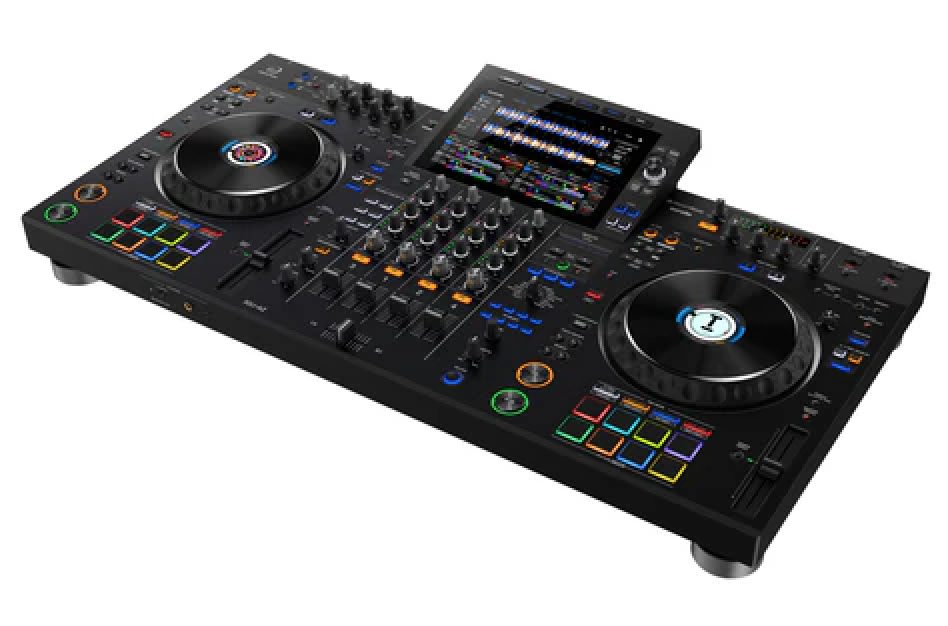
What’s the Difference Between a DJ Controller and DJ Mixer?
If you are just starting your DJ journey, one of the first questions you will probably ask is, what’s the difference between a DJ controller and DJ mixer?
It is an excellent question because the two pieces of equipment can look very similar at first glance. However, they serve very different purposes and choosing the right one can save you hundreds of pounds while helping you learn much faster.
In this guide, you will discover exactly how DJ controllers and DJ mixers work, their advantages and disadvantages, who each one is designed for and which is the best choice depending on your experience level.
Whether you want to become a club DJ, wedding DJ, mobile DJ or simply mix music at home, this guide will help you make an informed decision.
Quick Answer
A DJ controller combines a mixer, jog wheels, performance pads and software controls into one unit. It is designed to control DJ software on a computer and is the best choice for most beginners.
A DJ mixer is designed to mix multiple audio sources together. Professional DJ mixers are commonly used in clubs alongside separate media players or turntables. A mixer cannot normally control DJ software on its own.
For most aspiring DJs, a controller offers the easiest and most affordable way to learn.
DJ Controller vs DJ Mixer at a Glance
| Feature | DJ Controller | DJ Mixer |
|---|---|---|
| Includes mixer | Yes | Yes |
| Controls DJ software | Yes | No (unless hybrid) |
| Jog wheels | Yes | No |
| Performance pads | Usually | No |
| Requires laptop | Usually | Usually not |
| Designed for beginners | Excellent | Not usually |
| Club standard | Some models | Yes |
| Cost | Lower overall | Higher when combined with players |
What Is a DJ Controller?
A DJ controller is an all in one piece of DJ equipment that combines several components into one device.
Typically it includes:
- Two or four digital decks
- Jog wheels
- Mixer section
- Crossfader
- EQ controls
- Effects
- Performance pads
- Browse controls
- USB connection to your computer
Rather than playing music directly, a controller communicates with DJ software such as Serato DJ Pro, rekordbox, VirtualDJ, Traktor Pro or Engine DJ.
When you move a jog wheel or adjust a fader, the software responds instantly.
Why beginners love DJ controllers
From teaching hundreds of aspiring DJs over the years, one thing has remained consistent.
People learn faster when everything they need is contained within one device.
Instead of buying separate players, mixer and accessories, a controller allows you to focus on learning essential DJ skills including:
- Beatmatching
- Mixing
- Cueing
- EQ control
- Phrase matching
- Looping
- Effects
- Playlist management
That simplicity is one of the biggest reasons controllers dominate the beginner market today.
What Is a DJ Mixer?
A DJ mixer is the central hub of a DJ setup.
Its job is to blend multiple audio sources together smoothly.
Unlike a controller, a traditional mixer does not play music itself.
Instead, it receives audio from external devices such as:
- CDJs
- Media players
- Turntables
- Samplers
- Drum machines
- External audio interfaces
The DJ then uses the mixer to balance volume, EQ, effects and transitions between tracks.
Professional clubs almost always have a high quality mixer permanently installed in the DJ booth.
How Does a DJ Controller Work?
A controller sends digital commands to DJ software.
Imagine the controller as the steering wheel and the software as the engine.
Without the software, the controller cannot perform most of its functions.
Most controllers connect via USB and are recognised instantly by compatible DJ software.
Modern controllers also include:
- Built in sound cards
- Microphone inputs
- Booth outputs
- Balanced XLR outputs
- Streaming service integration
- USB standalone playback on premium models
How Does a DJ Mixer Work?
A mixer accepts audio from multiple sources.
Instead of sending commands to software, it processes real audio signals.
Each channel has its own:
- Gain control
- Three band EQ
- Channel fader
- Cue button
- Effects routing
The crossfader then blends one channel into another, allowing seamless transitions.
When connected to professional media players or turntables, the mixer becomes the centre of a professional DJ booth.
Which One Should Beginners Buy?
For around 95 percent of new DJs, the answer is simple.
Buy a DJ controller.
Why?
Because it provides:
- Better value
- Easier learning
- Smaller footprint
- Lower setup costs
- Integrated software
- More creative features
A mixer only becomes the better investment once you are ready to build a modular professional setup similar to those found in clubs.


You will be redirected to either Amazon or eBay to view and purchase this product. We may get a little kick back for recommending this product to you.
Want The Complete Roadmap To Become A DJ?
Step by Step to mix, play and launch your DJ journey with confidence.
- Beginner-friendly
- Easy to follow
- Packed with practical tips
 GET YOUR COPY NOW