
Can I Teach Myself to DJ?
-
 Jun 28, 2026
 -
 By
Learn How To Be a DJ
By
Learn How To Be a DJ -
 Gear Reviews
 -
 9 min read
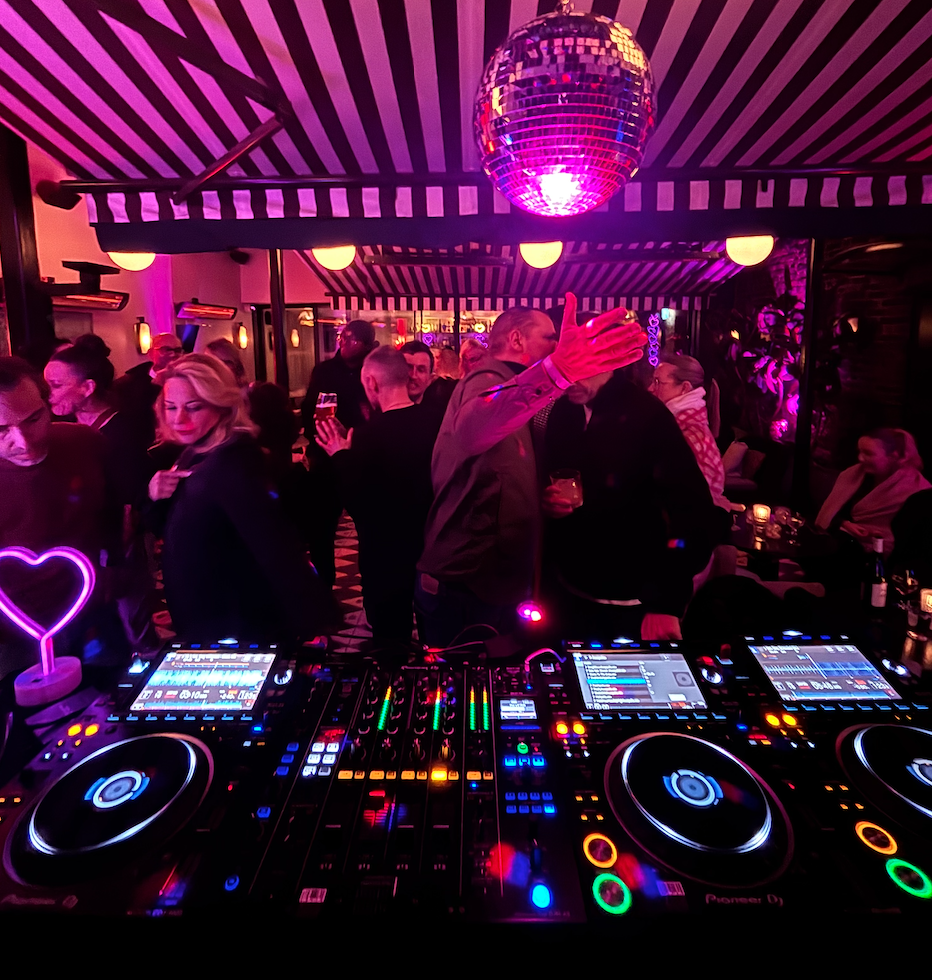
Can I Teach Myself to DJ?
If you’ve ever wondered, can I teach myself to DJ?, the answer is a resounding yes.
Thousands of successful DJs started exactly where you are now. They had no formal lessons, no music degree and often no one to teach them. Instead, they developed their skills through curiosity, practice, online resources and a genuine passion for music.
Learning to DJ has never been more accessible. Modern DJ software, affordable controllers and thousands of educational resources mean that anyone willing to put in consistent practice can become a confident DJ.
In this guide, you’ll discover exactly how to teach yourself to DJ, what equipment you need, how long it typically takes, common mistakes to avoid and the fastest route towards your first successful DJ set.
Whether your goal is to DJ at house parties, weddings, bars, clubs or simply for your own enjoyment, this guide will help you start your journey with confidence.
Quick Answer
Yes, you can absolutely teach yourself to DJ.
Most modern DJs are self taught.
With a beginner friendly DJ controller, free or inexpensive DJ software, regular practice and structured learning, many beginners are able to perform their first complete DJ set within a few months.
The keys to success are:
- Learn the fundamentals before chasing advanced tricks.
- Practise consistently.
- Record yourself regularly.
- Listen critically to professional DJs.
- Build a music collection you genuinely love.
Why Is It Easier Than Ever to Learn DJing?
Years ago, learning to DJ meant buying expensive turntables, vinyl records and spending hours trying to beatmatch entirely by ear.
Today, technology has made learning significantly easier.
Modern controllers include visual waveforms, BPM displays and synchronisation features that allow beginners to focus on understanding music before mastering more advanced techniques.
That does not mean technology replaces skill.
It simply shortens the learning curve.
Once you understand the basics, you can gradually rely less on visual aids and develop professional level techniques.
What Does a DJ Actually Do?
Before learning techniques, it’s important to understand the role of a DJ.
A DJ is far more than someone who presses play.
A skilled DJ:
- Selects the right music.
- Reads the audience.
- Maintains energy.
- Creates smooth transitions.
- Understands song structure.
- Controls volume and sound quality.
- Builds memorable musical journeys.
The equipment is simply the tool.
Your musical judgement is what people remember.
Can I Teach Myself to DJ Without Lessons?
Absolutely.
Many respected DJs learned by:
- Watching experienced performers.
- Experimenting at home.
- Learning from mistakes.
- Recording mixes.
- Receiving feedback.
- Playing small events.
Professional tuition can certainly accelerate progress, but it is not essential.
The most important teacher is regular practice.
Step by Step Guide to Teaching Yourself DJing
Step 1: Learn Basic Music Structure
Every beginner should understand:
Bars
Most dance music is built in groups of 4, 8, 16 or 32 beats.
Phrases
Songs naturally progress every 16 or 32 bars.
Learning these patterns makes transitions much easier.
BPM
BPM stands for Beats Per Minute.
Matching BPM creates smoother mixes.
Keys
Songs played in compatible musical keys often sound more natural together.
Step 2: Buy Beginner Friendly Equipment
You do not need expensive professional gear.
Recommended Beginner Equipment
| Equipment | Why it’s recommended |
|---|---|
| Entry level DJ controller | Affordable and easy to learn |
| Laptop | Runs DJ software |
| Headphones | Essential for cueing tracks |
| Speakers | Allow you to hear your mix properly |
Avoid buying expensive club equipment immediately.
Learn the fundamentals first.
Entry Level Equipment Comparison
| Equipment | Best For | Advantages |
| Pioneer DDJ FLX4 | Most beginners | Industry style layout |
| AlphaTheta DDJ FLX2 | Budget learners | Compact and simple |
| Numark Mixtrack Platinum FX | Home practice | Large jog wheels |
| Hercules Inpulse 500 | Absolute beginners | Built in learning aids |
Each controller is perfectly capable of helping you learn professional techniques.
Step 3: Learn Your DJ Software
Spend time becoming comfortable with:
Browsing music
Organise playlists.
Loading tracks
Know which deck is playing.
Cue points
Mark important sections.
Loops
Extend intros and outros.
EQ controls
Understand bass, mid and treble.
Crossfader
Blend smoothly between songs.
Do not rush.
Confidence with software builds confidence behind the decks.
Step 4: Practise Beatmatching
Even if your controller has Sync, learning manual beatmatching develops your ears.
This skill becomes invaluable if technology ever fails.
It also helps you understand rhythm far better.
Step 5: Record Every Practice Session
One habit separates improving DJs from frustrated beginners.
Record yourself.
Listening back highlights:
- Mistimed transitions
- Volume problems
- EQ mistakes
- Track selection issues
Many mistakes only become obvious afterwards.
How Long Does It Take to Learn?
Everyone progresses differently.
A realistic guide is:
| Practice Time | Typical Progress |
| 2 weeks | Understand equipment |
| 1 month | Basic transitions |
| 3 months | Complete mixes |
| 6 months | Confident party DJ |
| 12 months | Ready for paid bookings with experience |
Consistency matters far more than talent.
Thirty minutes every day beats six hours once a month.
What Skills Should You Master First?
Focus on these essentials:
Song structure
Know when tracks naturally change.
Beatmatching
Keep songs in time.
EQ mixing
Prevent frequencies clashing.
Phrase mixing
Start new songs at the correct moment.
Track selection
Choose songs people actually enjoy.
Fancy tricks can wait.
Strong fundamentals impress audiences far more.
Should Beginners Use the Sync Button?
This question divides DJs.
The reality is balanced.
Advantages
- Faster learning.
- Builds confidence.
- Allows focus on music selection.
- Useful during live performances.
Disadvantages
- Can delay ear training.
- Over reliance becomes a weakness.
- Doesn’t teach timing.
The best approach is simple.
Use Sync while learning, but gradually practise without it.
Common Mistakes Beginners Make
Avoid these common errors.
Buying expensive equipment too early
Professional equipment will not make you a better DJ.
Ignoring music knowledge
Song selection is everything.
Practising randomly
Follow structured sessions with clear goals.
Playing too loudly
Good sound quality beats excessive volume.
Mixing every song
Sometimes letting a great track play is the best decision.
Watching the screen constantly
Develop your ears.
Your audience cares about the music, not the laptop.
Pros and Cons of Teaching Yourself
| Pros | Cons |
| Learn at your own pace | Requires self discipline |
| Save money | No immediate feedback |
| Flexible schedule | Easier to develop bad habits |
| Huge amount of free resources | Progress may be slower initially |
| Learn the styles you enjoy | Requires patience |
For most people, the advantages greatly outweigh the disadvantages.
Expert Tips From an Experienced DJ
After many years behind the decks, these habits consistently produce better DJs.
Build a music library slowly
Quality always beats quantity.
One hundred fantastic songs outperform one thousand average ones.
Learn every track
Know:
- Intro
- Breakdown
- Chorus
- Outro
- Energy level
Knowing your music creates confidence.
Practise with purpose
Each session should have a goal.
Examples include:
- Beatmatching
- EQ mixing
- Phrase mixing
- Looping
- Harmonic mixing
Avoid simply playing random songs.
Watch experienced DJs
Observe:
- Hand movements
- Timing
- Crowd interaction
- Track selection
- Confidence
There is much to learn beyond the music.
Enjoy the journey
Nobody becomes amazing overnight.
Every professional DJ was once a complete beginner.
Can You Learn Without Expensive Equipment?
Yes.
Many successful DJs began with entry level controllers costing less than a night out with friends.
Skill develops through practice.
Not price.
As your experience grows, you’ll naturally understand which equipment genuinely suits your style.
Frequently Asked Questions
Can I teach myself to DJ completely on my own?
Yes. With regular practice, online learning resources and affordable equipment, most people can become competent DJs without formal lessons.
How many hours should I practise each week?
Aim for three to five sessions of around thirty to sixty minutes. Consistency is more important than marathon practice sessions.
Is DJing difficult to learn?
The basics are surprisingly straightforward. Mastering reading a crowd, music selection and smooth mixing takes more time, but steady practice leads to noticeable improvement.
Do I need expensive DJ equipment?
No. An entry level controller, a laptop and a good pair of headphones are enough to begin learning effectively.
Should I learn manual beatmatching?
Yes. Even if you use Sync, manual beatmatching improves your musical ear and gives you greater confidence in different situations.
What music should I practise with?
Start with music you genuinely enjoy. Familiar songs make it easier to recognise phrasing, timing and energy changes.
Can I become a professional DJ after teaching myself?
Yes. Many successful club, wedding and mobile DJs are entirely self taught. Professional success depends on skill, reliability, networking and experience.
Is it better to watch videos or read guides?
Both are valuable. Videos demonstrate techniques visually, while written guides explain the theory behind them in greater depth.
How long before I can DJ at a party?
Many beginners are comfortable playing a small gathering after two to three months of regular practice.
What is the fastest way to improve?
Practise consistently, record every session, listen back critically and focus on improving one skill at a time.
Conclusion
So, can I teach myself to DJ? Absolutely.
Thousands of DJs around the world have proven that determination, regular practice and a genuine love of music are far more important than expensive equipment or formal lessons. While every DJ’s journey is different, the principles remain the same: master the fundamentals, practise with purpose, build a music collection you know inside out and keep challenging yourself one step at a time.
Remember that every experienced DJ once stood exactly where you are today. The first transition might feel awkward, the first recorded mix may not be perfect and your confidence will grow gradually. That’s completely normal. Improvement comes from consistency, not perfection.
Whether your ambition is to entertain friends, perform at weddings, play in clubs or simply enjoy mixing your favourite tracks at home, there has never been a better time to start.
Continue building your knowledge by exploring more beginner guides, equipment reviews and practical tutorials on LearnHowToBeADJ.com, and take the next exciting step towards becoming the DJ you’ve always wanted to be.
Want The Complete Roadmap To Become A DJ?
Step by Step to mix, play and launch your DJ journey with confidence.
- Beginner-friendly
- Easy to follow
- Packed with practical tips
 GET YOUR COPY NOW