
How Long Does It Take to Learn to DJ?
-
 Jun 28, 2026
 -
 By
Learn How To Be a DJ
By
Learn How To Be a DJ -
 Gear Reviews
 -
 8 min read
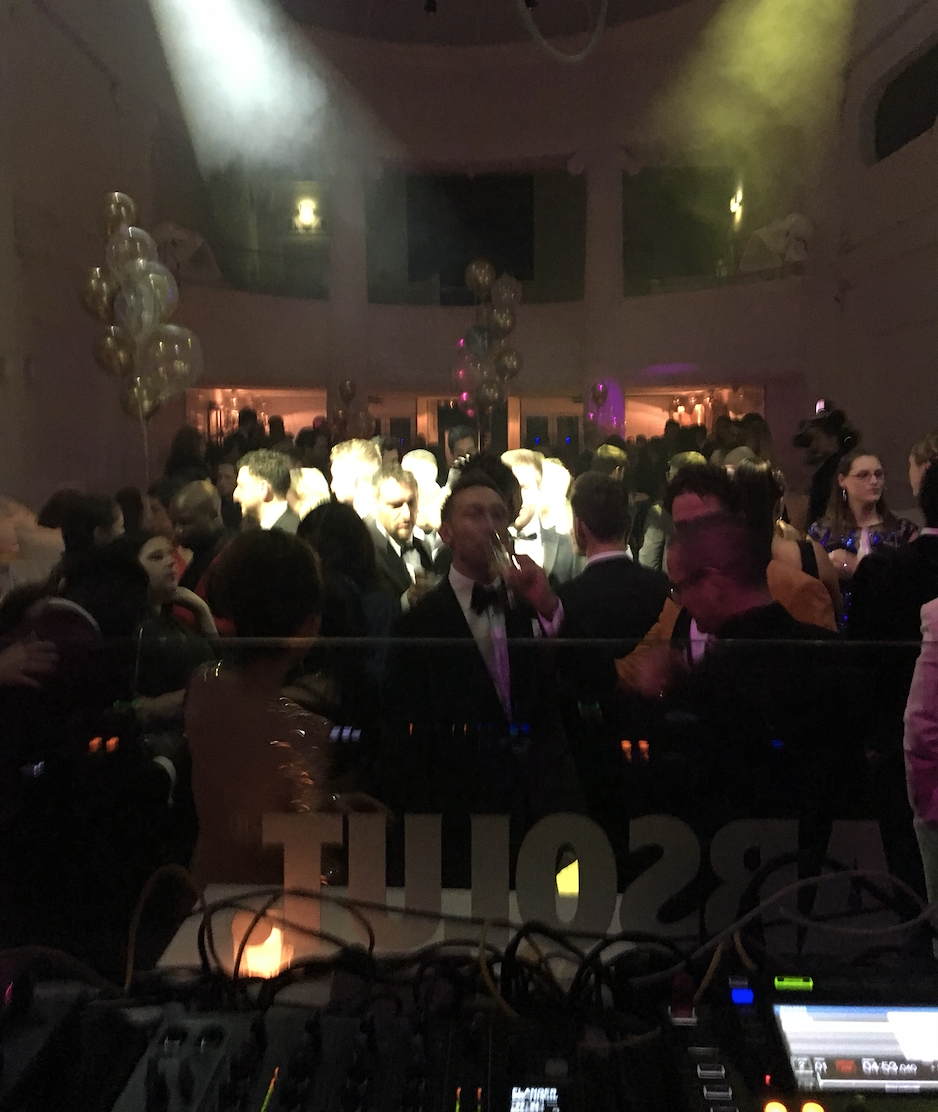
How Long Does It Take to Learn to DJ?
Learning to DJ is one of the most rewarding musical journeys you can begin. Whether your dream is to play at weddings, private parties, clubs, festivals or simply mix your favourite tracks at home, one of the first questions you’ll probably ask is:
How long does it take to learn to DJ?
The good news is that most people can learn the fundamentals surprisingly quickly. However, becoming a confident, skilled DJ takes dedication, practice and experience.
In this guide, you’ll discover realistic learning timelines, what affects your progress, common mistakes beginners make, expert tips and how you can dramatically speed up your learning.
By the end, you’ll know exactly what to expect and how to become a better DJ in the shortest possible time.
Quick Answer
Most beginners can learn the basic skills of DJing within 4 to 8 weeks by practising for around 30 to 60 minutes several times each week.
To become confident enough to perform at parties usually takes between 3 and 6 months, while becoming a highly skilled club or professional DJ often takes 1 to 3 years of regular practice and live experience.
Consistency matters far more than natural talent.
Typical DJ Learning Timeline
| Stage | Time Required | Skills Learned |
|---|---|---|
| Understanding equipment | 1 to 2 weeks | Controller layout, software basics |
| Basic mixing | 2 to 6 weeks | Beatmatching, transitions, cueing |
| Confident home DJ | 1 to 3 months | Smooth mixes, playlist building |
| Party ready | 3 to 6 months | Reading the room, microphone skills, confidence |
| Club ready | 6 to 18 months | Advanced mixing, effects, crowd control |
| Professional DJ | 1 to 3 years | Performance experience, branding, music knowledge |
Every learner progresses differently, but this provides a realistic expectation.
Why Do Some People Learn Faster Than Others?
Several factors determine how quickly you improve.
Practice Frequency
The DJ who practises four times each week will almost always improve faster than someone practising once every fortnight.
Regular practice builds muscle memory.
Even thirty focused minutes each day is incredibly valuable.
Quality of Practice
Practising without purpose often slows progress.
Instead of simply mixing random songs, focus on improving one skill at a time.
For example:
- Beatmatching
- EQ transitions
- Phrase mixing
- Looping
- Hot cues
- Harmonic mixing
Purposeful practice produces much faster improvement.
Musical Background
People who already play instruments, understand rhythm or have experience producing music often learn DJing slightly faster.
However, plenty of outstanding DJs began with absolutely no musical background.
Equipment
Modern DJ controllers have made learning far easier than it was twenty years ago.
Entry level controllers provide everything beginners need.
Popular beginner options include:
| Controller | Best For | Difficulty |
| Pioneer DJ DDJ FLX4 | Complete beginners | Easy |
| AlphaTheta DDJ GRV6 | Intermediate learners | Moderate |
| Numark Mixtrack Platinum FX | Budget learners | Easy |
| Hercules Inpulse 500 | Learning beatmatching | Easy |
| Denon DJ SC Live 2 | Standalone learning | Moderate |
Remember:
Great DJs are created through practice, not expensive equipment.
What Skills Do You Need to Learn?
Many beginners assume DJing simply involves pressing Play.
Professional DJs know there is far more involved.
Beatmatching
Matching the speed of two songs.
This creates smooth transitions without clashing beats.
Although software can automatically synchronise tracks, understanding beatmatching develops better timing and confidence.
Phrase Mixing
Music follows patterns.
Learning where to introduce the next song makes your transitions sound natural.
This is one of the biggest improvements beginners can make.
EQ Mixing
Professional DJs use bass, mid and treble controls to blend tracks smoothly.
Removing competing bass frequencies prevents muddy sounding mixes.
Music Selection
Choosing the right track at the right moment is arguably the most important DJ skill.
Crowds rarely remember complicated transitions.
They always remember great song choices.
Reading the Crowd
Once you begin playing for real people, you’ll discover every audience is different.
Learning how to react to the energy in the room is what separates experienced DJs from beginners.
This skill only develops through experience.
A Realistic Learning Roadmap
Week 1
Learn:
- Controller layout
- DJ software
- Loading tracks
- Cue points
- Play and pause
- Tempo adjustment
Practice goal:
Become comfortable using your equipment.
Weeks 2 to 4
Focus on:
- Beatmatching
- Basic transitions
- Headphone cueing
- EQ mixing
Practice goal:
Complete twenty minute mixes without stopping.
Months 2 to 3
Start learning:
- Loops
- Hot cues
- Effects
- Playlist organisation
- Harmonic mixing
Practice goal:
Record full one hour mixes.
Listen back and identify improvements.
Months 3 to 6
Begin performing for:
- Friends
- Family
- Small parties
- House gatherings
This is where confidence really begins to grow.
Beyond Six Months
Develop:
- Personal style
- Music discovery habits
- Crowd interaction
- Branding
- Social media presence
- Recording professional mixes
Experience becomes your greatest teacher.
How Can You Learn Faster?
Here are the methods experienced DJs recommend.
Practise regularly
Consistency beats marathon sessions.
Thirty minutes every day is more effective than one five hour session each month.
Record every mix
Listening back reveals mistakes you rarely notice during performance.
Many professionals still record their practice sessions.
Learn your music
Knowing your music collection thoroughly allows you to mix more creatively and confidently.
Spend as much time discovering music as practising transitions.
Watch experienced DJs
Observe:
- Hand movements
- Track selection
- Timing
- Crowd interaction
- Microphone technique
There’s always something new to learn.
Set small goals
Instead of trying to master everything immediately, focus on one improvement each practice session.
Small improvements accumulate surprisingly quickly.
Common Mistakes That Slow Learning
Many beginners unknowingly make these mistakes.
Relying entirely on Sync
Sync is useful.
Understanding manual beatmatching makes you a better DJ.
Buying expensive equipment too early
Expensive gear will not make you a better DJ.
Learning on beginner equipment builds excellent fundamentals.
Ignoring music knowledge
Some beginners obsess over effects.
Great DJs build unforgettable playlists.
Music selection remains king.
Not practising transitions
Many learners simply play songs.
Professional DJs spend most of their practice improving transitions.
Comparing yourself to professionals
The DJs you admire often have thousands of hours of experience.
Everyone begins as a beginner.
Pros and Cons of Learning Quickly
Pros
- Faster confidence
- Earlier opportunities to perform
- Greater motivation
- Faster progression
- Better understanding of equipment
Cons
- Risk of rushing fundamentals
- Overconfidence
- Poor music organisation
- Developing bad habits
- Skipping important techniques
Learning steadily usually produces stronger DJs over the long term.
Expert Tips from an Experienced DJ
After many years behind the decks, one lesson stands above everything else:
People remember how you made them feel.
Technical perfection means very little if the dance floor is empty.
Instead:
- Learn your music inside out.
- Keep practising transitions.
- Stay relaxed.
- Build confidence gradually.
- Accept mistakes.
- Every performance teaches something new.
Some of the world’s biggest DJs still make occasional mistakes during live performances.
The audience rarely notices if you stay calm and keep the music flowing.
Is DJ School Necessary?
Not always.
Many successful DJs are self taught.
However, structured learning can dramatically shorten the learning curve.
Good learning resources provide:
- Clear progression
- Practical exercises
- Expert guidance
- Motivation
- Community support
Combining structured learning with regular practice often delivers the fastest results.
Should You Learn on Vinyl or Digital?
| Method | Advantages | Disadvantages |
| Digital controller | Easier to learn, affordable, portable | Less manual beatmatching |
| CDJ setup | Club standard equipment | More expensive |
| Vinyl | Excellent technical skills | Steeper learning curve |
For most beginners, a modern digital controller is the ideal starting point.
Frequently Asked Questions
How long does it take to learn to DJ well?
Most people become comfortable mixing music within three to six months of regular practice.
Can I teach myself to DJ?
Yes. Many professional DJs are self taught using online tutorials, books and consistent practice.
Is DJing difficult to learn?
The basics are relatively straightforward. Mastering music selection, crowd reading and performance takes longer.
How many hours should I practise each week?
Aim for at least three to five sessions of thirty to sixty minutes each week.
Can I become a DJ in one month?
You can learn the basics in a month, but becoming confident performing for an audience usually takes longer.
Do I need expensive equipment?
No.
Many successful DJs began with affordable entry level controllers.
Is beatmatching still important?
Yes.
Even with modern Sync technology, understanding beatmatching improves your timing and confidence.
Can I become a wedding DJ quickly?
Wedding DJs need strong music knowledge, microphone confidence and crowd reading skills.
Most people require several months of preparation.
What’s the hardest part of learning to DJ?
For many beginners, smooth transitions and reading the crowd are the biggest challenges.
What is the fastest way to improve?
Practise consistently, record your mixes, listen back critically and gradually challenge yourself with new techniques.
Feature Image Suggestion
Royalty free image idea:
A beginner DJ smiling while practising on a modern DJ controller at home, wearing headphones with a laptop beside the controller.
Suggested Alt Text:
“Beginner learning how long it takes to learn to DJ using a modern DJ controller”
Internal Link Suggestion
Continue your DJ journey by exploring more beginner friendly guides and tutorials at:
https://www.learnhowtobeadj.com/
Conclusion
So, how long does it take to learn to DJ? For most people, the answer is measured in weeks for the basics, months for confidence, and years for true mastery. The timeline depends on how often you practise, the quality of your learning, and your willingness to keep improving.
The key is not to rush. Build strong foundations, learn your music, practise regularly and enjoy every step of the process. Every successful DJ started exactly where you are now.
If you’re ready to accelerate your progress, explore the beginner guides, equipment reviews and practical tutorials available on LearnHowToBeADJ.com. With the right guidance and consistent practice, you’ll be mixing confidently before you know it.
Want The Complete Roadmap To Become A DJ?
Step by Step to mix, play and launch your DJ journey with confidence.
- Beginner-friendly
- Easy to follow
- Packed with practical tips
 GET YOUR COPY NOW