
Can Anyone Become a DJ? A Beginner’s Guide
-
 Jun 28, 2026
 -
 By
Learn How To Be a DJ
By
Learn How To Be a DJ -
 Gear Reviews
 -
 8 min read
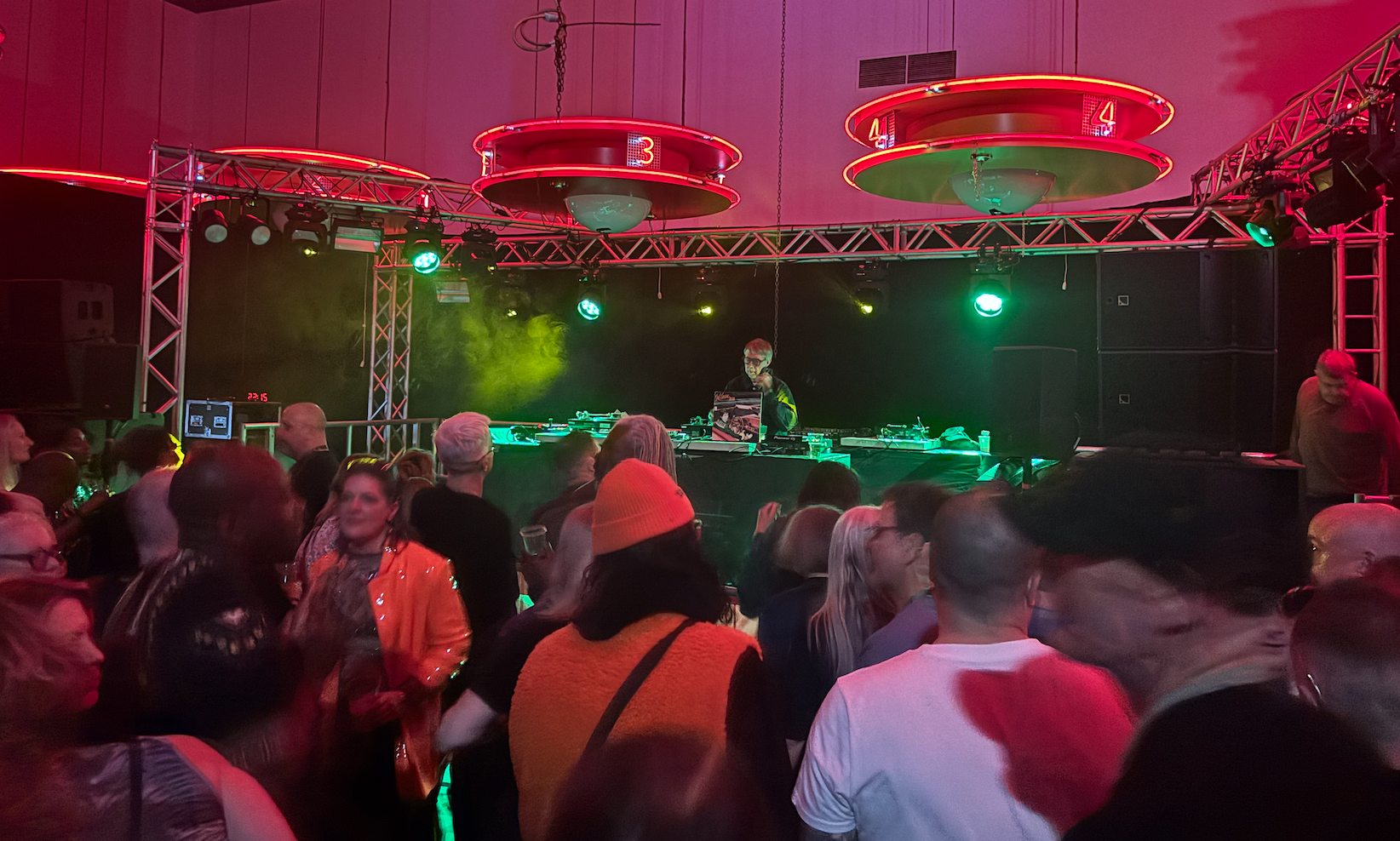
Can Anyone Become a DJ?
If you’ve ever watched a DJ perform and thought, “I wish I could do that,” you’re certainly not alone.
One of the most common questions aspiring DJs ask is Can anyone become a DJ?
The simple answer is yes.
Almost anyone can become a DJ with the right attitude, consistent practice and a genuine love of music. You do not need natural musical talent, expensive equipment or years of experience to get started. Modern technology has made learning easier than ever before, but success still comes from dedication and regular practice.
In this guide, you’ll discover exactly what it takes to become a DJ, what skills really matter, the equipment you’ll need and how to begin your journey with confidence.
Whether your dream is to play at weddings, clubs, festivals, private parties or simply mix music at home for fun, this guide will show you the path forward.
Quick Answer
Can anyone become a DJ?
Yes. Anyone willing to learn, practise consistently and develop their musical knowledge can become a DJ. While some people learn faster than others, successful DJs are usually those who stay patient, keep practising and never stop improving.
| Question | Answer |
|---|---|
| Do you need musical talent? | No |
| Do you need expensive equipment? | No |
| Can you learn from home? | Yes |
| Is age a barrier? | No |
| How long does it take? | Most beginners become confident within several months of regular practice. |
Why So Many People Want to Become DJs
DJing combines creativity, technology and entertainment in a way few hobbies can.
Many people start DJing because they:
- Love music
- Want a creative hobby
- Enjoy entertaining others
- Dream of playing clubs or festivals
- Want extra income through events
- Hope to become professional DJs
The beauty of DJing is that it can remain a hobby forever or develop into a rewarding career.
Can Anyone Become a DJ?
Absolutely.
Over nearly three decades of DJing, one lesson becomes obvious.
The people who become successful are rarely those with the most natural talent.
Instead, they are usually the people who simply refuse to give up.
Great DJs come from every background imaginable.
They include:
- Teachers
- Accountants
- Students
- Engineers
- Nurses
- Office workers
- Builders
- Parents
- Retired people
Your career, education or previous experience does not determine whether you can become a DJ.
Your commitment does.
What Skills Does Every DJ Need?
Music Selection
Music is your greatest tool.
A technically brilliant DJ playing poor songs will rarely fill a dance floor.
Learning what songs work together is often more important than flashy techniques.
Beatmatching
Beatmatching is matching the tempo of two tracks so they play together smoothly.
Years ago this had to be done entirely by ear.
Today most DJ software offers Sync functions, but understanding beatmatching remains an important skill.
Timing
Knowing when to mix is just as important as knowing how.
Learning song structure allows you to create smooth transitions that keep people dancing.
Reading the Crowd
One of the biggest differences between beginners and experienced DJs is crowd awareness.
Professional DJs constantly watch:
- Energy levels
- Dance floor reactions
- Requests
- Age groups
- Musical preferences
The crowd always comes first.
Confidence
Confidence grows naturally through repetition.
Nobody starts as an expert.
Even professional DJs once struggled with their first mix.
Do You Need Musical Talent?
No.
Many beginners assume they need to play an instrument first.
That simply isn’t true.
DJing is more about:
- Rhythm
- Listening
- Timing
- Practice
- Song knowledge
These are all learnable skills.
Do You Need Expensive Equipment?
Definitely not.
Modern beginner equipment is excellent.
Many successful DJs began with entry level controllers.
Beginner Equipment Comparison
| Equipment | Best For | Advantages |
| Entry level controller | Complete beginners | Affordable and easy to learn |
| Mid range controller | Regular practice | More features and better build quality |
| Professional controller | Advanced DJs | Club style workflow |
| Club CDJs and mixer | Professional venues | Industry standard equipment |
Essential Equipment for Beginners
Most beginners only need:
- DJ controller
- Laptop
- DJ software
- Headphones
- Speakers
That’s enough to learn virtually every fundamental DJ skill.
Which DJ Software Should Beginners Learn?
Popular choices include:
- rekordbox
- Serato DJ
- VirtualDJ
- Engine DJ
- djay
Each has strengths, but all teach the same core principles.
Focus on learning the skills rather than worrying about software.
Step by Step Guide to Becoming a DJ
Step 1
Choose your favourite music genre.
Learning is much easier when you genuinely enjoy the music.
Step 2
Buy beginner equipment.
Don’t wait for the perfect setup.
Start with what you can afford.
Step 3
Learn the basics.
Focus on:
- Cueing
- Beatmatching
- EQ
- Song structure
- Phrasing
- Mixing
Master the fundamentals before attempting advanced tricks.
Step 4
Practise regularly.
Even thirty minutes each day produces excellent progress over time.
Consistency always beats occasional marathon sessions.
Step 5
Record your mixes.
Listening back highlights mistakes you never noticed while performing.
This is one of the fastest ways to improve.
Step 6
Play for family and friends.
Small audiences build confidence before larger events.
Step 7
Keep learning.
Every professional DJ continues learning throughout their career.
How Long Does It Take to Become a DJ?
Everyone learns differently.
A realistic guide is:
| Practice Time | Typical Progress |
| First week | Learn equipment basics |
| One month | Complete basic transitions |
| Three months | Mix confidently at home |
| Six months | Ready for small events |
| One year | Strong foundations for paid work |
Regular practice matters far more than natural ability.
Pros and Cons of Becoming a DJ
Pros
- Creative hobby
- Meet new people
- Flexible career opportunities
- Potential extra income
- Continuous learning
- Entertain others
- Share your passion for music
Cons
- Equipment costs
- Requires regular practice
- Late nights for event DJs
- Competitive industry
- Music purchases can add up
- Building a reputation takes time
Common Mistakes Beginners Make
Buying expensive equipment too early
Expensive gear does not make someone a better DJ.
Ignoring music knowledge
Great music selection beats fancy tricks every time.
Practising only occasionally
Progress comes through consistency.
Relying entirely on Sync
Technology is helpful, but understanding the basics makes you a stronger DJ.
Comparing yourself with professionals
Every expert once started as a complete beginner.
Focus on your own improvement.
Expert Tips from an Experienced DJ
After many years behind the decks, several habits consistently separate successful DJs from everyone else.
- Learn your music library inside out.
- Organise playlists carefully.
- Practise transitions repeatedly.
- Record every practice session.
- Watch experienced DJs perform.
- Never stop discovering new music.
- Focus on entertaining people rather than showing off technical tricks.
- Accept mistakes as part of learning.
- Build confidence gradually.
- Enjoy the process.
DJing is a journey, not a race.
Can You Become a Professional DJ?
Yes.
Many professional DJs started mixing in their bedrooms.
Turning DJing into a career usually involves:
- Building experience
- Creating a strong music library
- Networking
- Developing your personal brand
- Marketing yourself effectively
- Learning business skills
- Delivering reliable performances
Professional DJing requires both musical ability and professionalism.
Is Age Important?
Absolutely not.
People begin DJing in their:
- Teens
- Twenties
- Thirties
- Forties
- Fifties
- Sixties
Passion matters far more than age.
Should You Learn Online?
Online learning has transformed DJ education.
With structured lessons, clear demonstrations and regular practice, beginners can learn surprisingly quickly from home.
Combining online learning with real practice often produces excellent results.
Why Learn with LearnHowToBeADJ.com?
Learning becomes much easier when you’re following a structured path instead of guessing what to practise next.
At LearnHowToBeADJ.com, you’ll find beginner friendly guides, equipment reviews, practical tutorials and expert advice designed to help aspiring DJs build confidence one step at a time.
Whether you’re buying your first controller or preparing for your first live performance, you’ll find straightforward guidance created by someone with real world DJ experience.
Visit:
https://www.learnhowtobeadj.com/
to continue your DJ journey.
Frequently Asked Questions
Can anyone become a DJ with no experience?
Yes. Most DJs begin with no previous experience. Regular practice and structured learning are far more important than natural ability.
Can I become a DJ without musical training?
Absolutely. You do not need to play an instrument or read music to become a successful DJ.
How much does beginner DJ equipment cost?
A good beginner setup can be purchased at a reasonable price, making DJing more accessible than ever.
How often should I practise?
Aim for at least thirty minutes several times each week. Daily practice accelerates progress.
Is DJing difficult to learn?
The basics are relatively straightforward. Mastering advanced performance skills takes longer, but anyone can improve with consistent practice.
Can I learn DJing at home?
Yes. Thousands of DJs successfully learn from home using controllers, software and online tutorials.
What music should I start with?
Choose music you genuinely enjoy. Familiar tracks make learning transitions much easier.
Can I earn money as a DJ?
Yes. Many DJs perform at weddings, birthdays, corporate events, clubs and private parties for paid bookings.
Is expensive equipment necessary?
No. Entry level controllers provide everything needed to build excellent DJ skills.
What is the most important quality for becoming a DJ?
Persistence. The DJs who continue practising almost always outperform those who give up too early.
Conclusion
So, can anyone become a DJ?
The answer is a confident yes.
You do not need perfect rhythm, expensive equipment or years of musical experience. What you do need is enthusiasm, patience and a willingness to practise consistently.
Every successful DJ once stood exactly where you are now, wondering whether they could really do it. The difference is that they took the first step.
If you’re ready to begin your own DJ journey, continue exploring the beginner guides, equipment reviews and practical tutorials available at LearnHowToBeADJ.com. With the right guidance and regular practice, you’ll be mixing with confidence sooner than you think.
Want The Complete Roadmap To Become A DJ?
Step by Step to mix, play and launch your DJ journey with confidence.
- Beginner-friendly
- Easy to follow
- Packed with practical tips
 GET YOUR COPY NOW