
How Do I Become a DJ?
-
 Jun 28, 2026
 -
 By
Learn How To Be a DJ
By
Learn How To Be a DJ -
 Gear Reviews
 -
 8 min read
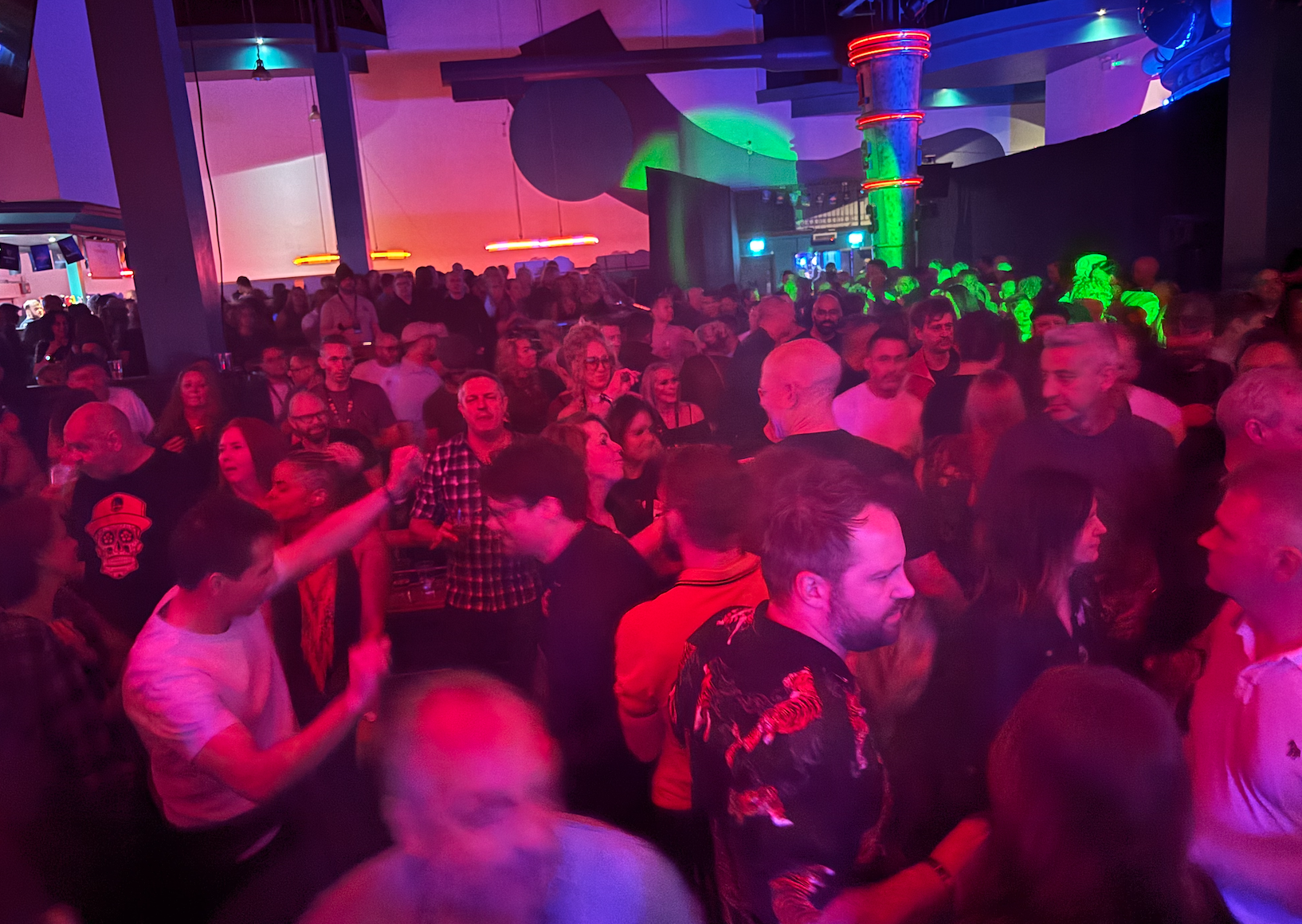
How Do I Become a DJ?
Many people dream of standing behind the decks, controlling the energy of a packed dance floor and playing music they love. The good news is that becoming a DJ has never been more accessible than it is today.
If you’ve ever asked yourself “How do I become a DJ?”, you’re already taking the first step.
The internet is full of conflicting advice, expensive equipment recommendations and unrealistic promises. The reality is much simpler. Becoming a DJ is about learning a practical set of skills, building confidence and practising consistently.
In this guide, you’ll discover exactly how to become a DJ from complete beginner level, including the equipment you need, the skills to master and the mistakes you should avoid.
Whether your goal is to DJ at home, perform in clubs, play weddings or even build a professional career, this guide will point you in the right direction.
Quick Answer
How do I become a DJ?
To become a DJ, you should:
- Learn the basics of beatmatching and mixing.
- Buy beginner friendly DJ equipment.
- Choose DJ software.
- Build a music collection.
- Practise regularly.
- Record your mixes.
- Learn to read a crowd.
- Start playing for friends and small events.
- Develop your own style.
- Continue improving your skills through regular practice.
Anyone can learn to DJ with dedication, patience and the right guidance.
Why Become a DJ?
DJing is far more than simply pressing play.
A great DJ creates an atmosphere, tells a musical story and controls the mood of an audience.
Some people DJ because they love music.
Others enjoy entertaining.
Many eventually earn extra income through weddings, bars, clubs, festivals or private events.
Whatever your reason, DJing is an incredibly rewarding hobby and career.
What Skills Does Every DJ Need?
Beatmatching
Beatmatching is matching the tempo of two songs so they play together smoothly.
Modern equipment offers Sync buttons, but learning manual beatmatching will make you a far better DJ.
Mixing
Mixing means transitioning naturally between songs.
Good mixing sounds effortless.
Poor mixing is immediately noticeable.
Phrase Matching
Music is built in phrases.
Understanding where songs naturally begin and end helps create seamless transitions.
EQ Mixing
Every track contains:
- Bass
- Mid frequencies
- High frequencies
Learning how to balance these frequencies prevents muddy sounding mixes.
Timing
Great DJs know exactly when to introduce the next track.
Timing is often more important than complicated tricks.
Reading the Crowd
Technical skills alone do not make a successful DJ.
Watching how people react to music helps you choose the right songs at the right time.
This is one of the biggest differences between beginners and experienced DJs.
What Equipment Do You Need?
Fortunately, you no longer need thousands of pounds to get started.
Beginner Equipment Comparison
| Equipment | Recommended For | Approximate Cost |
|---|---|---|
| Laptop | Everyone | Existing or £500+ |
| DJ Controller | Beginners | £200 to £500 |
| Headphones | Essential | £50 to £150 |
| Speakers | Home practice | £100 to £400 |
| Music Library | Essential | Varies |
Recommended Beginner DJ Controllers
| Controller | Why It Is Popular |
| Pioneer DDJ FLX4 | Excellent all round beginner controller |
| AlphaTheta DDJ 200 | Budget friendly |
| Numark Mixtrack Platinum FX | Large jog wheels and good effects |
| Hercules Inpulse 500 | Excellent learning features |
| Denon DJ SC Live 2 | Standalone capability |
Which DJ Software Should You Learn?
Several excellent DJ software packages are available.
| Software | Best For |
| rekordbox | Club DJs |
| Serato DJ Lite | Beginners |
| Serato DJ Pro | Professional DJs |
| VirtualDJ | Flexible features |
| Engine DJ | Standalone systems |
| djay Pro | Mobile DJs and Apple users |
Choose one platform and become confident before switching.
Step by Step: How Do I Become a DJ?
Step 1: Buy Simple Equipment
Avoid spending thousands immediately.
Many professional DJs started with basic controllers.
Your skills matter far more than expensive equipment.
Step 2: Learn Basic Mixing
Focus on:
- Cueing tracks
- Beatmatching
- EQ control
- Crossfader use
- Phrase matching
Master these before attempting advanced tricks.
Step 3: Build Your Music Library
Quality always beats quantity.
Choose music you genuinely enjoy.
Organise playlists by:
- Genre
- Energy
- BPM
- Mood
- Event type
A well organised library makes DJing much easier.
Step 4: Practise Every Week
Consistency beats marathon practice sessions.
Thirty minutes every day is often better than five hours once a month.
Practise:
- Smooth transitions
- Beatmatching
- Mixing without looking
- Emergency recoveries
- Different genres
Step 5: Record Yourself
Listening back reveals mistakes you never notice during live mixing.
Ask yourself:
- Were transitions smooth?
- Did the energy stay consistent?
- Were levels balanced?
Self analysis is one of the fastest ways to improve.
Step 6: Learn Music Structure
Most dance music follows predictable patterns.
Recognising:
- Intro
- Build up
- Drop
- Breakdown
- Outro
helps you know exactly when to mix.
Step 7: Play in Front of People
Your first audience could be:
- Friends
- Family
- House parties
- Birthday celebrations
Every performance builds confidence.
Step 8: Keep Learning
Even experienced DJs continue learning.
Technology evolves.
Music changes.
Audiences change.
The best DJs never stop improving.
How Long Does It Take to Become a DJ?
Everyone learns differently.
As a rough guide:
| Practice Time | Typical Progress |
| 1 month | Basic mixing |
| 3 months | Comfortable transitions |
| 6 months | Small parties |
| 1 year | Confident live performances |
| 2 years | Advanced mixing and bookings |
Regular practice matters far more than rushing.
Should You Learn Beatmatching Without Sync?
Yes.
Sync is an excellent tool.
However, understanding manual beatmatching develops your ears and prepares you for situations where technology fails.
Professional DJs often know both methods.
Can You Become a DJ Without Musical Training?
Absolutely.
Many successful DJs never studied music.
You mainly need:
- Rhythm
- Patience
- Curiosity
- Practice
- Passion for music
These qualities are far more important.
Pros and Cons of Becoming a DJ
Pros
- Fun and creative hobby
- Can earn additional income
- Meet new people
- Share your love of music
- Flexible career opportunities
- Constant learning
- Opportunity to travel
Cons
- Equipment costs
- Requires regular practice
- Late nights
- Competitive industry
- Music purchases can become expensive
- Building bookings takes time
Common Beginner Mistakes
Buying Expensive Equipment Too Soon
Expensive gear will not compensate for lack of practice.
Ignoring Music Selection
People remember songs far more than technical tricks.
Playing Every Effect
Effects should enhance mixes, not dominate them.
Practising Only Favourite Songs
Real DJs must mix different styles and tempos.
Not Recording Mixes
Recording is one of the fastest improvement tools available.
Giving Up Too Early
Every DJ struggles initially.
Persistence separates successful DJs from everyone else.
Expert Tips from Years Behind the Decks
One lesson becomes obvious after years of DJing.
The audience rarely cares how complicated your mixing is.
They care whether they’re enjoying themselves.
Simple, smooth transitions with excellent song selection will always outperform complicated tricks performed at the wrong moment.
Another valuable lesson is to know your music inside out.
When you know your tracks without looking at waveforms, your confidence increases dramatically.
Finally, remember that confidence comes through repetition.
Every professional DJ was once a nervous beginner.
Essential DJ Equipment Checklist
Before your first practice session, try to have:
✔ Laptop
✔ DJ Controller
✔ DJ Software
✔ Headphones
✔ Speakers
✔ Music Library
✔ USB Drive
✔ Notebook for practice goals
Frequently Asked Questions
How do I become a DJ with no experience?
Start with beginner equipment, learn basic mixing techniques, practise regularly and gradually build confidence by performing for friends and family.
Can I become a DJ at home?
Yes. Many professional DJs started by practising in their bedroom before performing publicly.
Do I need expensive equipment?
No. Good skills are much more important than expensive hardware.
Is DJing difficult to learn?
The basics are straightforward. Mastering the craft takes time and consistent practice.
What age can I start DJing?
There is no minimum or maximum age. Children, teenagers and adults can all learn successfully.
Which DJ software should beginners use?
Serato DJ Lite and rekordbox are excellent starting points.
How often should I practise?
Aim for at least three or four sessions each week.
Short, regular practice sessions are highly effective.
Can I earn money as a DJ?
Yes. Many DJs perform at weddings, birthdays, clubs, bars, festivals, corporate events and private parties.
Do I need to know music theory?
No. Understanding rhythm and song structure is much more useful for beginners.
How long before I can play my first event?
Many beginners are ready for small private events within six months of regular practice.
Conclusion
If you’ve been asking “How do I become a DJ?”, the answer is refreshingly simple.
Start with the right equipment, learn the core techniques, build a great music library and practise consistently. Every successful DJ started exactly where you are today, with curiosity, enthusiasm and a willingness to learn.
Don’t worry about being perfect from day one. Focus on enjoying the process, improving one mix at a time and building confidence with every practice session. Before long, you’ll be creating smooth transitions, reading crowds and developing your own unique style behind the decks.
If you’re serious about accelerating your progress, explore the beginner guides, equipment reviews and practical tutorials available at https://www.learnhowtobeadj.com/. They are designed to help aspiring DJs gain real world skills, avoid common mistakes and become confident performers faster.
Want The Complete Roadmap To Become A DJ?
Step by Step to mix, play and launch your DJ journey with confidence.
- Beginner-friendly
- Easy to follow
- Packed with practical tips
 GET YOUR COPY NOW