
How to DJ
-
 Jun 28, 2026
 -
 By
Learn How To Be a DJ
By
Learn How To Be a DJ -
 Gear Reviews
 -
 8 min read
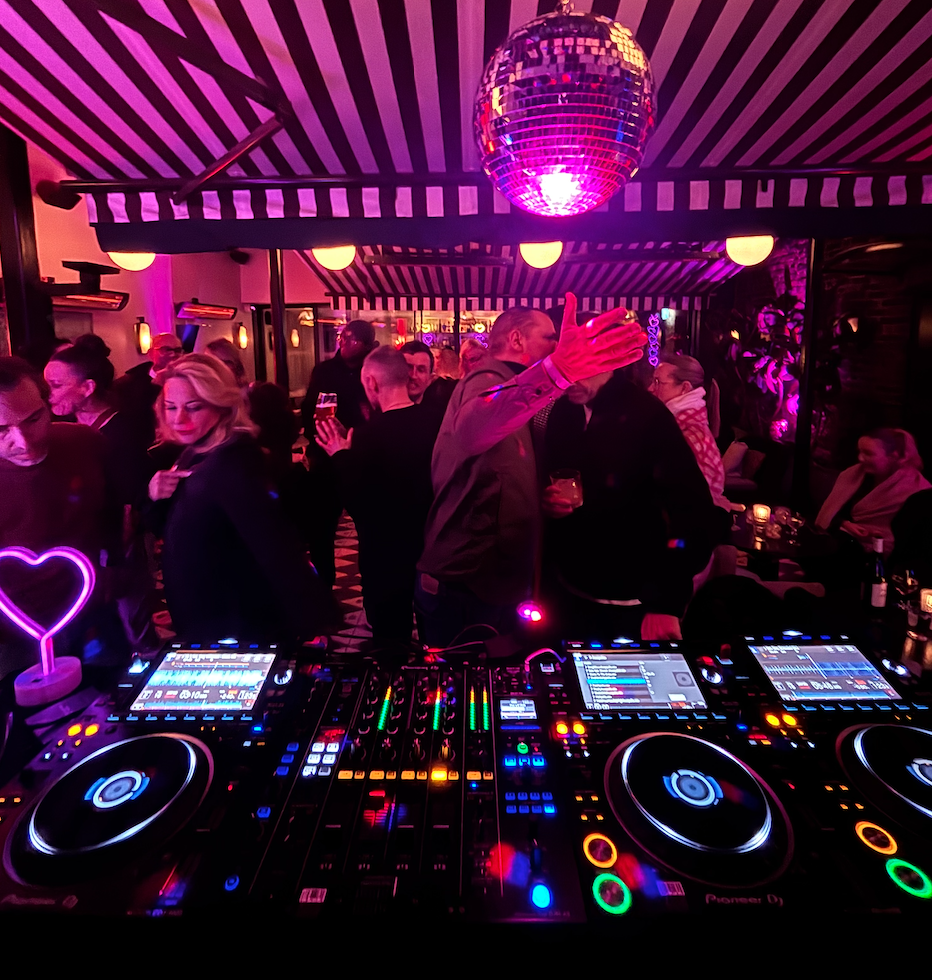
How to DJ: The Complete Beginner’s Guide
Have you ever watched a great DJ effortlessly control the dance floor and wondered how they do it? The good news is that anyone can learn how to DJ with the right guidance, regular practice, and a passion for music.
Whether your dream is to perform in clubs, play at weddings, stream online, or simply enjoy mixing music at home, learning how to DJ is more accessible than ever before. Modern DJ technology has removed many of the barriers that once existed, making it possible to start with relatively affordable equipment and gradually build your skills.
In this guide, you will learn exactly how to DJ from the ground up. We will cover the equipment you need, how to mix songs, essential techniques, common mistakes to avoid, and practical advice gathered from years of real world DJ experience.
If you are completely new to DJing, you are in the right place.
Quick Answer
Learning how to DJ involves understanding music structure, using DJ equipment or software, matching tempos, beatmatching, mixing tracks smoothly, building playlists, reading the audience, and practising consistently. Most beginners can learn the fundamentals within a few weeks of regular practice, while becoming a confident performing DJ usually takes several months of dedicated learning.
What Does a DJ Actually Do?
A DJ does much more than simply press play.
A skilled DJ creates a musical journey by selecting tracks, matching their tempos, blending them together seamlessly and maintaining the energy of the audience.
Great DJs understand:
- Music selection
- Timing
- Song structure
- Crowd psychology
- Technical mixing
- Performance skills
The equipment is simply a tool. Your decisions behind the decks are what separate an average DJ from a memorable one.
What Equipment Do You Need to Learn How to DJ?
One of the biggest misconceptions is that learning to DJ requires thousands of pounds of equipment.
Fortunately, that is no longer true.
Beginner DJ Equipment Comparison
| Equipment | Best For | Advantages | Approximate Cost |
|---|---|---|---|
| Laptop only | Complete beginners | Lowest cost | £0 to £800 |
| Entry level DJ Controller | Beginners | Easy to learn | £200 to £400 |
| Mid range Controller | Home practice | Better features | £500 to £900 |
| Professional Controller | Club style learning | Industry standard layout | £1,000+ |
| CDJs and Mixer | Professional performance | Found in clubs worldwide | Premium |
Essential DJ Equipment Checklist
You will need:
- DJ controller
- Laptop
- DJ software
- Headphones
- Speakers
- Music library
- USB drive
- Cables
Optional equipment includes:
- Microphone
- Lighting
- DJ booth
- Laptop stand
- Flight case
Which DJ Software Should Beginners Choose?
Several excellent DJ software packages are available.
The most popular options include:
- rekordbox
- Serato DJ Pro
- VirtualDJ
- Traktor Pro
- Engine DJ
Each offers similar core functions.
Choose one, learn it well, and avoid constantly switching between software.
Step 1 Learn Music Structure
Before attempting your first mix, understand how dance music is built.
Most electronic music follows predictable phrases.
Common sections include:
- Intro
- Build up
- Drop
- Breakdown
- Outro
Learning these sections helps you know exactly when to begin your next transition.
Step 2 Build Your Music Library
Your music collection is your greatest asset.
Focus on quality rather than quantity.
Choose tracks you genuinely enjoy.
Organise music by:
- Genre
- BPM
- Musical key
- Energy level
- Mood
Good organisation saves valuable time during performances.
Step 3 Learn BPM
BPM stands for Beats Per Minute.
It measures the speed of a song.
Examples include:
- Hip Hop 70 to 100 BPM
- House 120 to 130 BPM
- Tech House 124 to 128 BPM
- Drum and Bass 170 to 175 BPM
Matching BPM is one of the first skills every DJ learns.
Step 4 Understand Beatmatching
Beatmatching means aligning two songs so their beats play together at exactly the same speed.
Modern controllers provide automatic sync features.
However, learning manual beatmatching develops stronger timing and listening skills.
It also prepares you for unexpected situations during live performances.
Step 5 Learn Basic Mixing
A simple transition usually follows these steps.
- Load your next track.
- Cue the first beat.
- Match the BPM.
- Listen using headphones.
- Start the second track at the correct moment.
- Adjust timing.
- Gradually move the crossfader.
- Blend using the EQ controls.
- Complete the transition smoothly.
Simple, clean transitions always sound better than complicated techniques performed badly.
Understanding EQ
Most DJ mixers provide three EQ controls.
High
Controls vocals and hi hats.
Mid
Controls melodies and instruments.
Low
Controls bass frequencies.
Avoid allowing two basslines to play together for too long as this often creates muddy sounding mixes.
Learn to Count Music
Most dance music follows groups of:
- 4 beats
- 8 beats
- 16 beats
- 32 beats
Starting your mix at the beginning of a new musical phrase creates professional sounding transitions.
Should Beginners Use Sync?
Yes.
Sync is a useful learning tool.
However, avoid becoming completely dependent on it.
Understanding manual beatmatching provides valuable knowledge that improves your confidence behind any DJ setup.
How Often Should You Practise?
Consistency beats marathon practice sessions.
Aim for:
- 30 minutes daily
or - Three to five one hour sessions every week.
Regular repetition builds muscle memory.
Equipment Recommendations
| Budget | Suggested Setup |
| Under £300 | Entry level controller with free software |
| £300 to £700 | Four channel controller and quality headphones |
| £700 to £1,500 | Professional controller with monitor speakers |
| £2,000+ | Club standard setup with separate mixer and media players |
Common Beginner Mistakes
Many new DJs make the same mistakes.
Avoid these common problems.
- Mixing songs too quickly
- Ignoring phrasing
- Buying expensive equipment too early
- Using poor quality music files
- Practising inconsistently
- Constantly changing software
- Playing every effect at once
- Ignoring gain levels
- Forgetting to organise music
- Watching the screen instead of listening
Pros and Cons of Learning to DJ
Pros
- Creative hobby
- Can become a career
- Flexible learning
- Great social opportunities
- Constantly developing skills
- Endless music discovery
Cons
- Requires regular practice
- Equipment can become expensive
- Music purchases add ongoing costs
- Performing can feel intimidating initially
Expert Tips
After many years of DJing, several lessons consistently stand out.
Always know your music better than your equipment.
Practise transitions rather than entire sets.
Record yourself regularly.
Listen back critically.
Build playlists around energy rather than simply BPM.
Leave room for mistakes because every experienced DJ has made them.
Focus on entertaining people rather than impressing other DJs.
Confidence comes from preparation.
Frequently Asked Questions
How long does it take to learn how to DJ?
Most beginners understand the basics within a few weeks. Becoming confident enough to perform publicly usually takes several months of regular practice.
Can I learn how to DJ without expensive equipment?
Yes. Many successful DJs began with entry level controllers or even free software before upgrading.
Is DJing difficult?
The basics are straightforward. Mastering crowd reading, music selection and smooth transitions takes time and experience.
Should I learn manual beatmatching?
Yes. Although sync is useful, manual beatmatching strengthens your understanding of rhythm and improves confidence.
What is the best music genre for beginners?
House music is often recommended because of its steady rhythm and predictable song structure.
Can I become a professional DJ?
Absolutely. Many professional DJs began as hobbyists. Success depends on dedication, networking, branding and consistent improvement.
Do DJs need music theory?
No, but understanding musical keys and phrasing helps create smoother mixes.
Which headphones should I buy?
Choose comfortable closed back DJ headphones with good sound isolation and durable construction.
How many songs should I own?
Focus on building a carefully selected collection rather than chasing huge numbers. A few hundred well organised tracks are often enough to begin.
What is the fastest way to improve?
Practise consistently, record every session, listen back honestly and keep learning from experienced DJs.
Royalty Free Feature Image Suggestion
Image: Beginner DJ mixing on a modern DJ controller in a home studio.
Suggested Alt Text:
“Beginner learning how to DJ using a modern DJ controller and laptop.”
Internal Link Suggestion
Continue your DJ journey with more free tutorials, equipment reviews and professional advice by visiting:
https://www.learnhowtobeadj.com/
Conclusion
Learning how to DJ is one of the most rewarding musical skills you can develop. Every experienced DJ started exactly where you are now by learning the basics, making mistakes and practising consistently.
Remember that great DJs are not defined by expensive equipment or complicated tricks. They succeed because they understand music, connect with their audience and never stop improving.
Take your time, enjoy the learning process and celebrate every small milestone. Your first clean transition, your first recorded mix and your first live performance are all important steps on your journey.
At LearnHowToBeADJ.com, our goal is to help beginners become confident DJs through clear tutorials, honest equipment advice and practical guidance from real world experience. Explore our latest articles and continue building the skills that will take you from your first mix to your first crowd.
Want The Complete Roadmap To Become A DJ?
Step by Step to mix, play and launch your DJ journey with confidence.
- Beginner-friendly
- Easy to follow
- Packed with practical tips
 GET YOUR COPY NOW