
Can Anyone Learn to DJ?
-
 Jun 22, 2026
 -
 By
Learn How To Be a DJ
By
Learn How To Be a DJ -
 Gear Reviews
 -
 9 min read
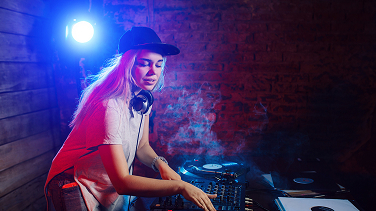
Can Anyone Learn to DJ?
Learning to DJ is something many people dream about.
Perhaps you have watched a DJ perform at a wedding, festival, club or house party and wondered whether you could do the same.
Maybe you have a huge passion for music and want to share it with others. Or perhaps you simply want a fun hobby that allows you to express your creativity.
The good news is this:
Yes, anyone can learn to DJ.
You do not need natural musical talent.
You do not need expensive equipment.
You do not need years of experience before getting started.
Like any skill, DJing requires practice, patience and consistency. However, with modern technology and the wealth of learning resources available today, becoming a competent DJ is more achievable than ever before.
In this guide, you will learn exactly what it takes to become a DJ, how long it takes to learn, what equipment you need, common mistakes beginners make and practical steps you can follow to start your DJ journey today.
Quick Answer
Can Anyone Learn to DJ?
Yes, anyone can learn to DJ.
Successful DJs come from all backgrounds, ages and professions. While some people learn faster than others, DJing is a skill that can be developed through practice and dedication.
Modern DJ software makes learning easier than ever, and many beginners can perform their first basic mix within a few days of starting.
The key factors for success are:
- A passion for music
- Consistent practice
- Patience
- Willingness to learn
- Understanding the fundamentals
You do not need to be a musician, producer or technical expert to become a DJ.
What Does a DJ Actually Do?
Before learning how to DJ, it helps to understand what DJs really do.
Many beginners assume DJs simply press play on songs.
In reality, a skilled DJ is constantly making decisions.
A DJ:
- Selects the right music
- Reads the crowd
- Mixes songs together smoothly
- Maintains energy levels
- Creates a musical journey
- Manages equipment
- Handles requests where appropriate
The art of DJing combines technical skill with creativity.
Think of a DJ as a storyteller using music instead of words.
Why DJing Is Easier to Learn Than Ever Before
Twenty years ago, learning to DJ was significantly more difficult.
Many DJs learned on vinyl turntables.
Beatmatching had to be performed entirely by ear.
Equipment was expensive.
Mistakes were common.
Today, modern DJ technology makes the learning process far more accessible.
Modern DJ Technology Helps Beginners
Software such as:
- Rekordbox
- Serato DJ
- Virtual DJ
- Traktor Pro
- djay Pro
Provides features such as:
- BPM detection
- Waveform displays
- Sync functions
- Cue points
- Looping tools
These tools allow beginners to focus on learning song structure, music selection and transitions.
Who Can Learn to DJ?
One of the biggest myths in DJing is that certain people cannot learn.
The reality is very different.
Age Is Not a Barrier
People start DJing at all ages.
Some begin as teenagers.
Others start in their 40s, 50s or even retirement.
DJing is one of the few hobbies where age rarely matters.
Musical Background Is Not Required
Many successful DJs cannot play instruments.
While music knowledge can help, it is not essential.
You can learn musical concepts as you progress.
You Do Not Need Natural Talent
Talent can help.
Practice matters far more.
Most professional DJs became skilled through thousands of hours of experience rather than natural ability.
Skills Every DJ Needs to Learn
Although anyone can learn to DJ, there are core skills every beginner should develop.
Beatmatching
Beatmatching involves synchronising two songs so their beats align.
This creates smooth transitions.
Modern software can help with this process, but understanding beatmatching remains valuable.
Phrase Matching
Music is organised into sections known as phrases.
Learning to transition at the correct point helps mixes sound professional.
Song Selection
Many experienced DJs believe song selection is more important than technical skills.
Playing the right track at the right moment can transform a dancefloor.
Reading the Crowd
Understanding audience reactions helps DJs make better music choices.
This skill develops through experience.
Equipment Knowledge
A DJ should understand:
- Controllers
- Mixers
- Headphones
- Speakers
- DJ software
Step by Step Guide to Learning DJing
Step 1: Decide Your DJ Goals
Different DJs have different ambitions.
Ask yourself:
- Do you want to DJ for fun?
- Do you want to perform at parties?
- Do you want wedding bookings?
- Do you want to play clubs?
- Do you want to become a professional DJ?
Your goals will influence your learning path.
Step 2: Learn Basic DJ Terminology
Important terms include:
- BPM
- Cue Point
- Beatmatching
- Phrase
- Loop
- Transition
- EQ
- Gain
Understanding these concepts builds confidence.
Step 3: Get Beginner Equipment
You do not need expensive gear.
Start simple.
Step 4: Learn Basic Mixing
Focus on:
- Starting tracks correctly
- Matching tempos
- Using EQ
- Transition timing
Step 5: Practise Consistently
Regular practice beats occasional long sessions.
Even 30 minutes daily can produce rapid progress.
Best Beginner DJ Equipment
Budget Beginner Setup
| Equipment | Approximate Cost |
|---|---|
| Entry Level Controller | £150 to £300 |
| Headphones | £30 to £100 |
| Speakers | £50 to £200 |
| Laptop | Existing laptop often suitable |
Recommended Beginner Controllers
| Controller | Suitable For |
| Pioneer DDJ-FLX4 | Most beginners |
| Numark Mixtrack Platinum FX | Budget users |
| Hercules Inpulse 500 | Complete beginners |
| Pioneer DDJ-REV1 | Open format DJs |
How Long Does It Take to Learn DJing?
One of the most common questions beginners ask is:
“How long will it take me to become a DJ?”
The answer depends on your goals.
| Goal | Typical Learning Time |
| Basic Mixing | 1 to 4 weeks |
| Comfortable Home DJing | 1 to 3 months |
| Party DJing | 3 to 6 months |
| Paid Gigs | 6 to 18 months |
| Professional Standard | Several years |
Remember:
Learning never truly stops.
Even experienced DJs continue developing their skills.
Common Challenges New DJs Face
Feeling Overwhelmed
There is a lot to learn.
Take one skill at a time.
Comparing Yourself to Professionals
Social media often shows polished performances.
Every professional DJ was once a beginner.
Fear of Making Mistakes
Mistakes are part of learning.
Many experienced DJs still make them occasionally.
Information Overload
Focus on mastering fundamentals before advanced techniques.
Pros and Cons of Learning to DJ
Pros
- Creative outlet
- Fun hobby
- Social opportunities
- Potential income
- Improves music knowledge
- Builds confidence
- Flexible learning pace
Cons
- Equipment costs
- Practice required
- Competitive industry
- Technical learning curve
- Transporting equipment can be difficult
Real World Example
When teaching beginner DJs, one pattern appears repeatedly.
The students who improve fastest are rarely the most naturally gifted.
Instead, they are the ones who practise consistently.
A beginner who practises three times per week for six months will often outperform someone with natural talent who rarely practises.
Consistency beats perfection.
Common Mistakes Beginners Make
Buying Expensive Equipment Too Soon
Many beginners spend thousands before learning fundamentals.
Start simple.
Upgrade later.
Ignoring Music Organisation
A messy music library slows progress.
Create playlists and folders from day one.
Using Sync Without Understanding Basics
Sync can be useful.
However, understanding timing and beatmatching remains important.
Practising Randomly
Structured practice delivers faster results.
Focus on one skill at a time.
Not Recording Mixes
Recording allows you to identify areas for improvement.
Expert Tips for Learning Faster
Listen Critically
Pay attention to transitions when listening to DJ mixes.
Practise With Music You Love
Learning becomes easier when using songs you enjoy.
Record Everything
Review your recordings objectively.
Learn Song Structure
Understanding intros, verses, choruses and breakdowns improves transitions.
Build Small Goals
Achievable milestones maintain motivation.
Can You Learn DJing Without Expensive Equipment?
Absolutely.
Many successful DJs started with minimal equipment.
You can even begin using:
- Free DJ software
- A laptop
- Basic headphones
The most important investment is your time.
Is DJing Hard to Learn?
DJing is not difficult to start.
However, mastering DJing takes time.
Think of it like driving.
Learning the basics happens quickly.
Becoming highly skilled takes experience.
Can You Teach Yourself to DJ?
Yes.
Many DJs are self taught.
Modern resources include:
- Online courses
- YouTube tutorials
- DJ communities
- Practice sessions
- DJ ebooks
A structured learning approach often accelerates progress.
Can You Become a Professional DJ?
Yes.
However, professional DJing involves more than mixing music.
You may also need:
- Marketing skills
- Networking
- Branding
- Social media
- Business knowledge
The strongest careers combine technical ability with professionalism.
Beginner DJ Learning Roadmap
Month 1
Learn:
- Equipment basics
- Software navigation
- Beatmatching
- Basic transitions
Months 2 to 3
Learn:
- EQ mixing
- Playlist building
- Music organisation
- Recording mixes
Months 4 to 6
Learn:
- Advanced transitions
- Crowd reading
- Live performance confidence
Months 6 Plus
Focus on:
- Personal style
- Specialisation
- Paid opportunities
- Branding
Frequently Asked Questions
Can anyone learn to DJ with no experience?
Yes. Most DJs start with no prior experience.
Am I too old to learn DJing?
No. People begin DJing successfully at all ages.
Do I need expensive equipment?
No. A basic controller and laptop are sufficient.
How many hours should I practise?
Three to five sessions per week is ideal.
Can I learn DJing online?
Yes. Many excellent resources are available online.
Is DJing easier than producing music?
Generally yes. DJing usually has a shorter learning curve.
Can I become a DJ in three months?
You can learn the fundamentals within three months.
Do I need to know music theory?
No. Although helpful, it is not essential.
Can I DJ without a laptop?
Yes. Standalone systems are available, though beginners often start with laptops.
What is the easiest DJ software for beginners?
Rekordbox, Serato and djay Pro are all beginner friendly.
Is DJing a good hobby?
Absolutely. It is creative, rewarding and enjoyable.
Can introverts become DJs?
Yes. Many successful DJs are naturally introverted.
Can DJing make money?
Yes. Many DJs earn income through events, weddings and private bookings.
How long before I can play at a party?
Many beginners can confidently play small parties within a few months.
What is the most important DJ skill?
Song selection remains one of the most valuable DJ skills.
Conclusion
So, can anyone learn to DJ?
The answer is a resounding yes.
DJing is one of the most accessible musical skills you can learn. You do not need natural talent, expensive equipment or years of experience before getting started.
What you do need is curiosity, commitment and a genuine love of music.
Start with the basics.
Practise consistently.
Accept mistakes as part of the process.
Most importantly, enjoy the journey.
Every professional DJ once stood exactly where you are today.
If you are serious about learning faster, explore the beginner guides, tutorials and training resources available at https://www.learnhowtobeadj.com/ and take the next step towards becoming the DJ you want to be.
Want The Complete Roadmap To Become A DJ?
Step by Step to mix, play and launch your DJ journey with confidence.
- Beginner-friendly
- Easy to follow
- Packed with practical tips
 GET YOUR COPY NOW